


Cutlery is something we all use every day—at home, in restaurants, or even at picnics. But have you ever looked at a table full of forks, knives, and spoons and wondered, “What are they all for?”
Cutlery (also called silverware or flatware) includes all the hand-held tools we use to eat and serve food. The most common types are knives, forks, and spoons, but there are many more made for special foods like steak, fish, or dessert.

Knowing the different types of cutlery—and how to use them—can make mealtimes easier, neater, and more enjoyable. Whether you’re setting the table for dinner or choosing a new cutlery set, understanding each piece helps you get the job done right.
Knife Types
Knives are one of the most important parts of any cutlery set. While they all slice or spread food, each type of knife is made for a specific task.
#1 Dinner Knife

This is the knife you’ll use most often. It’s part of every basic place setting and is used for cutting softer foods or helping push food onto a fork. It has a smooth edge and is perfect for everyday meals.
#2 Steak Knife
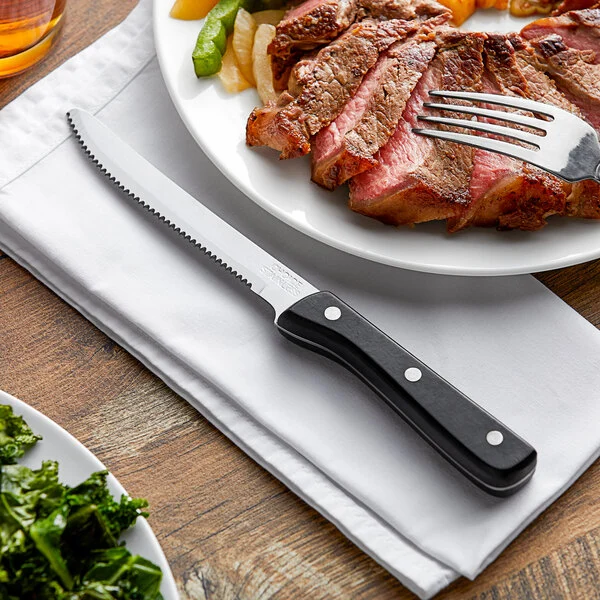
A steak knife has a sharp, serrated edge that cuts easily through cooked meat like steak or pork chops. It’s usually stronger and sharper than a dinner knife and is a must-have for meat lovers.
#3 Butter Knife

This knife has a dull edge and a rounded tip. It’s designed for spreading butter, jam, or soft cheeses—not for cutting. You’ll often see it on bread plates at restaurants.
#4 Dessert Knife
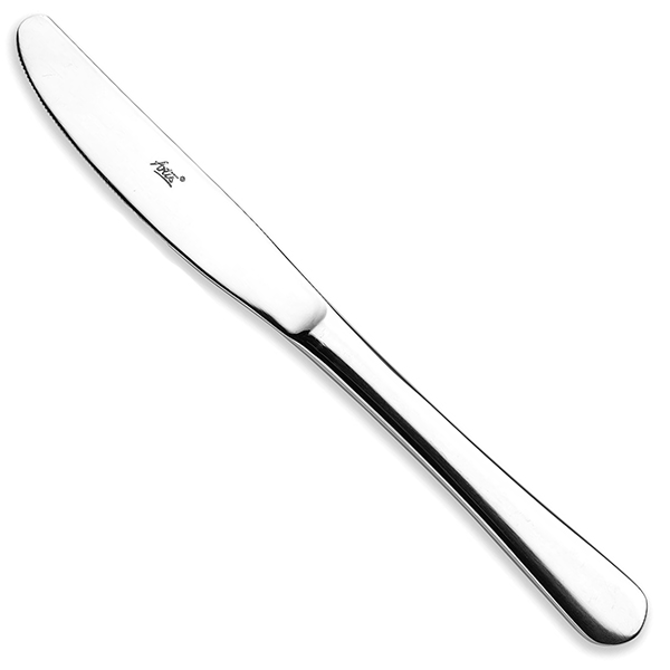
Smaller than a dinner knife, the dessert knife is used to cut through soft desserts like cakes and tarts. It’s also handy for fruits or pastries during dessert time.
#5 Fish Knife

Made just for seafood, a fish knife has a thin, curved blade that helps you remove skin and bones without tearing the delicate flesh. It’s usually paired with a fish fork.
#6 Fruit Knife

This small knife is designed to peel, slice, or core fruits. It’s easy to hold and great for prepping apples, pears, or citrus.
#7 Carving Knife

Long and thin, this knife is used to slice roasts, turkey, or ham into even pieces. It’s often paired with a carving fork to hold the meat in place while cutting.
#8 Bread Knife

A bread knife has a long, serrated blade that cuts through crusty bread without crushing the soft inside. It’s also useful for slicing cakes or tomatoes.
#9 Paring Knife

This small knife is perfect for precise tasks like peeling potatoes or deveining shrimp. It’s a kitchen favorite for detailed prep work.
#10 Utility Knife

Think of this as the “in-between” knife. Not as big as a chef’s knife and not as small as a paring knife, the utility knife is a good all-purpose tool for slicing vegetables, cheese, and more.
Fork Types
Forks come in more shapes and sizes than you might expect! While they may look similar, each type of fork is made for a specific food or purpose.
#1 Dinner Fork

This is the most common fork you’ll see. It has four evenly spaced tines and is used for most main course dishes like meat, pasta, or vegetables. It’s the go-to fork for everyday meals.
#2 Salad Fork

Smaller than a dinner fork, the salad fork often has slightly wider tines to help cut through lettuce and raw veggies. It’s made for salads and lighter starters.
#3 Dessert Fork

This fork is used for cakes, tarts, and other sweets. It’s usually a bit smaller than a salad fork, and some versions have a wider left tine to help cut through soft desserts without a knife.
#4 Fish Fork

The fish fork is designed with a wider tine or a small notch to help separate delicate fish flesh from bones. It’s usually paired with a fish knife.
#5 Fruit Fork

Fruit forks are small and lightweight, perfect for spearing bite-sized pieces of melon, berries, or citrus. You might see them served with a fruit cup or platter.
#6 Cocktail Fork

This is a tiny, narrow fork with two or three tines, often used for picking up shrimp, olives, or small appetizers at parties or seafood bars.
#7 Carving Fork

This long, sturdy two-pronged fork is used with a carving knife to hold meat steady while slicing. It’s a must-have for carving roasts, turkey, or ham.
#8 Oyster Fork

An oyster fork is a small, three-pronged fork designed for removing shellfish, like oysters or clams, from their shells. It’s often seen in seafood settings.
Spoon Types
Spoons are more than just tools for soup! From stirring tea to serving dinner, there’s a spoon made for every task.
#1 Dinner Spoon

Also known as a tablespoon, this is your go-to spoon for everyday meals. It has a large, oval bowl and is used for eating main dishes, especially rice, stews, or casseroles.
#2 Soup Spoon

This spoon has a rounder and deeper bowl than a dinner spoon, making it perfect for sipping broth or scooping up chunky soups without spilling.
#3 Teaspoon

A small and handy spoon, great for stirring tea or coffee, measuring sugar, or eating yogurt and small desserts. It’s also a standard size for recipes.
#4 Dessert Spoon

Slightly larger than a teaspoon, this spoon is designed for enjoying soft desserts like puddings, custards, or ice cream. It often comes with dessert forks in formal settings.
#5 Fruit Spoon
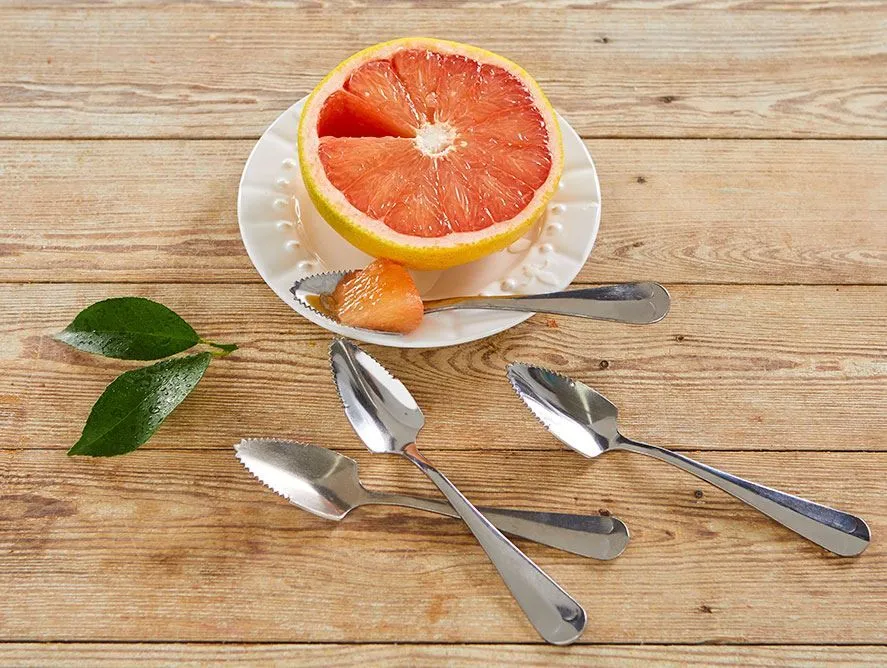
Designed with a slightly pointed or serrated edge, the fruit spoon helps scoop citrus or peel softer fruits like kiwis or grapefruits.
#6 Serving Spoon

A large, sturdy spoon used to dish out food from serving bowls or platters. It’s common at family dinners, buffets, or holiday meals.
#7 Grapefruit Spoon
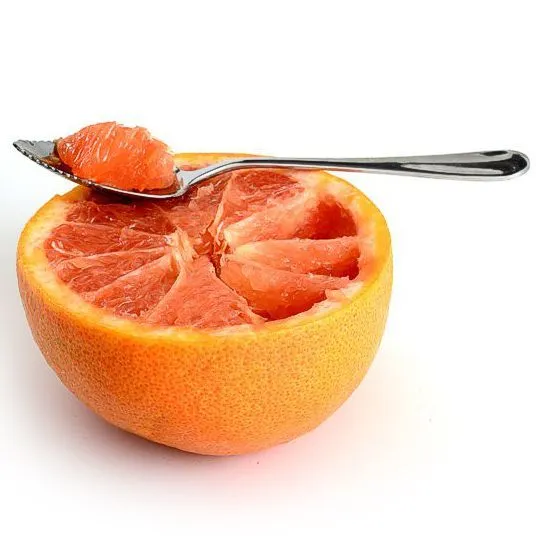
This is a specialized fruit spoon with a serrated tip, perfect for slicing and scooping out citrus segments without the mess. Great for grapefruits, oranges, or even avocados.
#8 Spork

A hybrid between a spoon and a fork, the spork is mostly used in casual or outdoor settings. It’s convenient for camping, takeout, and lunchboxes.
Specialty Cutlery
Some foods need more than just a basic knife, fork, or spoon. That’s where specialty cutlery comes in—unique tools designed for very specific tasks. You won’t use these every day, but they make certain dishes a lot easier (and more enjoyable) to eat.
#1 Cheese Knife

A cheese knife often has holes in the blade to keep soft cheese from sticking. Some also have a forked tip to lift and serve slices. It’s the perfect tool for cheese boards and parties.
#2 Cake Spatula

Also called a dessert server, this flat tool is shaped like a triangle. It helps you slice and lift cakes or pies without breaking them apart. Handy for birthdays, weddings, and dessert tables.
#3 Caviar Spoon

Caviar is delicate, and metal can alter its flavor. A caviar spoon is made from mother-of-pearl, bone, or horn to preserve taste and texture. A must-have for true caviar lovers.
#4 Escargot Fork

This tiny, two-pronged fork is used to pull snails out of their shells. It’s common in French dining and usually comes with tongs to hold the shell steady.
#5 Lobster Pick

Long and thin, a lobster pick helps you get meat out of claws and joints. One end may be a small fork, the other a narrow scoop—great for crab and lobster dishes.
#6 Chopsticks

Though not part of Western cutlery, chopsticks are essential in many Asian cultures. They come in wood, bamboo, plastic, or metal, and are used for everything from rice to noodles.
Conclusion

Cutlery is more than just knives, forks, and spoons—it’s a full set of tools, each designed for a specific job. From everyday essentials like dinner forks and teaspoons to specialty pieces like cheese knives and lobster picks, every type of cutlery has a purpose.
Knowing the different types not only makes meals easier but also adds a touch of confidence—whether you’re setting the table at home or attending a formal dinner. It helps you eat more comfortably, serve more neatly, and enjoy your food the way it was meant to be.
A well-stocked cutlery drawer means you’re ready for anything—from soup to steak, cake to citrus. And now, you know exactly what to reach for.


