


The global demand for eco-friendly tableware is skyrocketing. As countries tighten plastic bans and consumers shift toward sustainable living, biodegradable plates, bamboo cutlery, and compostable cups are becoming the new standard. This shift has opened a major export opportunity for suppliers and importers alike — especially from China, where advanced production capacity meets affordable cost.
Exporting eco-tableware, however, is different from selling regular disposable products. It requires understanding material sustainability, international certifications, and eco-compliance documentation. In this guide, we’ll walk through the key materials, export requirements, and smart strategies to help you export successfully and confidently.
Understanding Materials & Product Types
Before diving into logistics or paperwork, it’s crucial to understand what you’re actually exporting. Eco-friendly tableware is not a single product type — it’s a family of materials designed to reduce waste and environmental impact.
1. Common Eco-Materials Used in Tableware

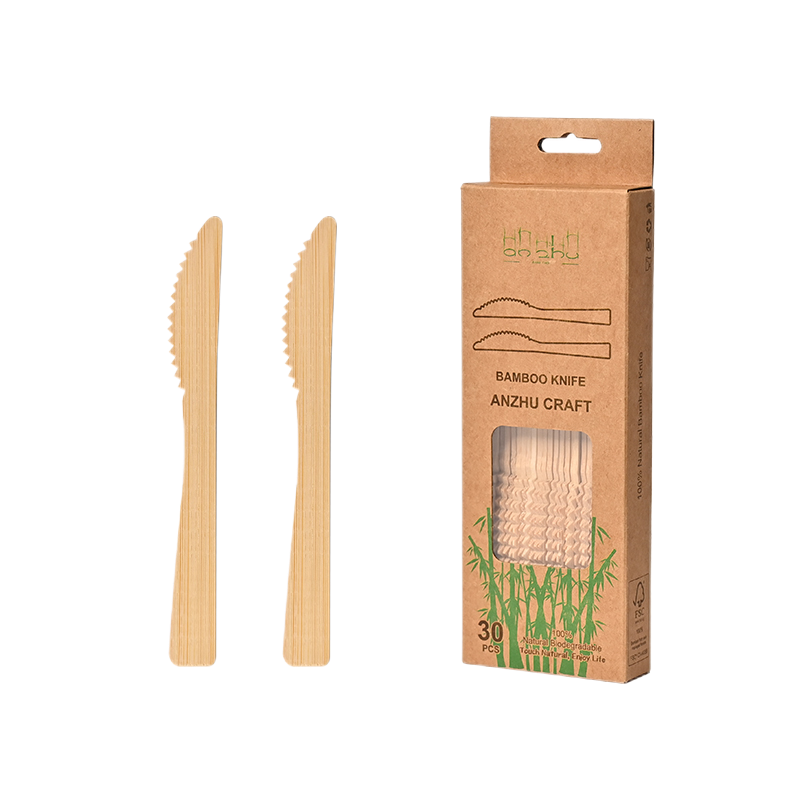
Bamboo: Renewable, strong, and lightweight — ideal for cutlery, plates, and straws.
Sugarcane Bagasse: A by-product of sugarcane processing, fully compostable and affordable for bulk packaging.
Molded Fibre (Pulp): Smooth finish, durable, and used for disposable plates, trays, and bowls.
Wood: Biodegradable and naturally stylish; perfect for high-end catering or eco-restaurants.
Each of these materials has its unique advantages — but also different export implications.
2. Material Implications for Export
When exporting eco-friendly tableware, durability and regulatory compliance matter as much as price.
Durability in transit: Bamboo and wood can crack under pressure if not properly packed, while molded pulp needs moisture protection.
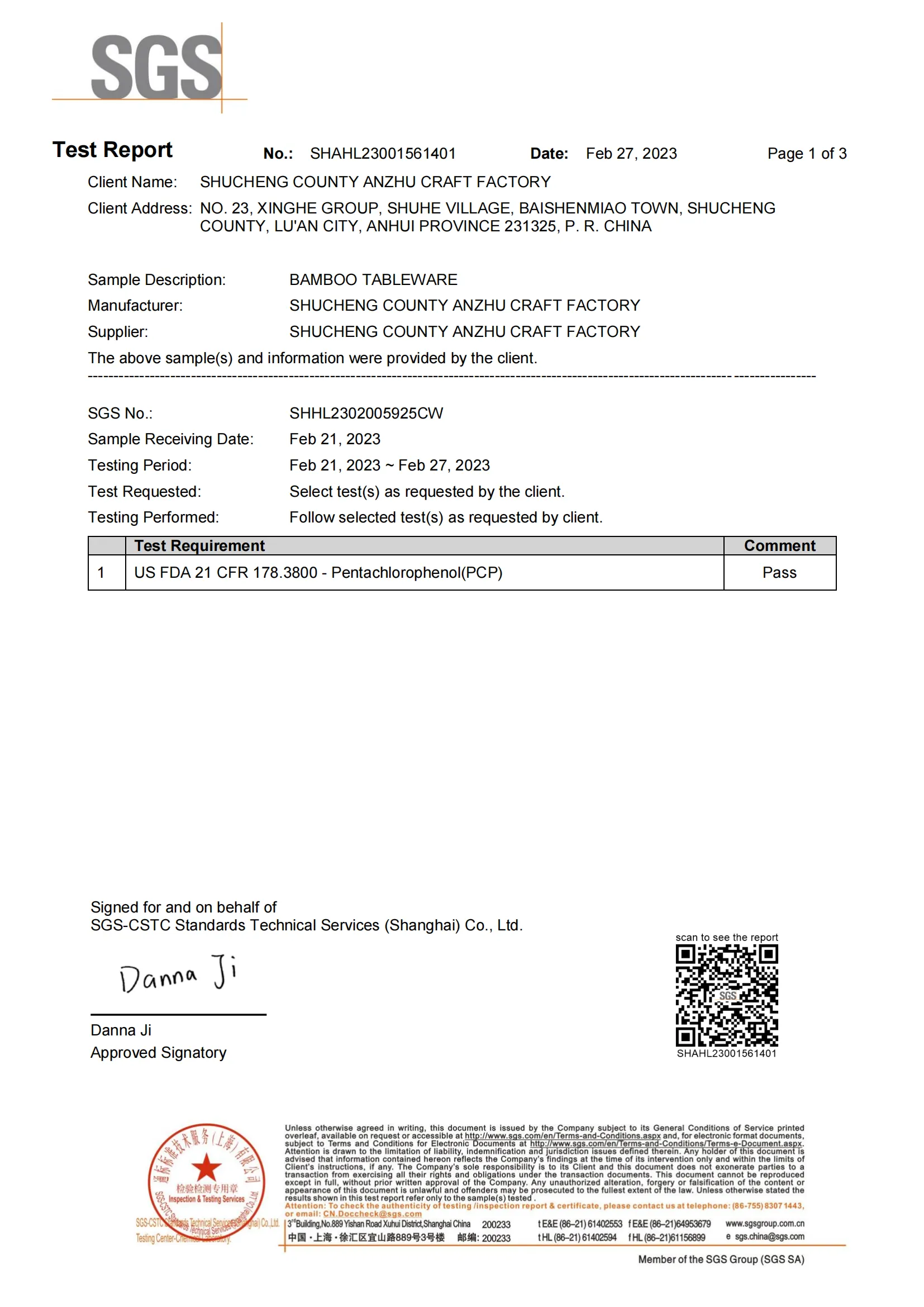
Regulatory compliance: Countries like the U.S. and those in the EU require materials to meet food-contact standards (such as FDA or LFGB) and sustainability credentials (FSC, BSCI, ISO14001).
Customs classification: Eco materials often fall under specific HS codes for biodegradable products — misclassification can delay customs clearance.
When planning your export, match your target market’s sustainability standards with the right material choice. A certified bamboo cutlery set, for instance, may fit premium Western retailers, while bagasse trays are better suited for large-scale foodservice distributors.
Supplier Sourcing & Factory Verification

Finding a reliable Chinese manufacturer is the first and most important step when exporting eco-friendly tableware. China has hundreds of suppliers offering bamboo, wooden, and bagasse products — but not all meet international standards. Start by exploring verified B2B platforms or visit trade fairs, where you can meet certified suppliers in person.
When shortlisting manufacturers, ask the right questions early:
What is your production capacity per month?
How many years of export experience do you have?
Do you offer OEM/ODM customization for private label packaging?
Which certifications can you provide (FSC, BSCI, FDA, LFGB)?
Before placing bulk orders, conduct a factory audit — either on-site or virtually. Check for quality control systems, raw material traceability, and workshop hygiene. A trustworthy supplier will share inspection reports and be transparent about their production process. This verification step ensures you’re partnering with a manufacturer that meets both eco and export standards, reducing risks and improving long-term cooperation.
Certifications, Compliance & Regulatory Requirements
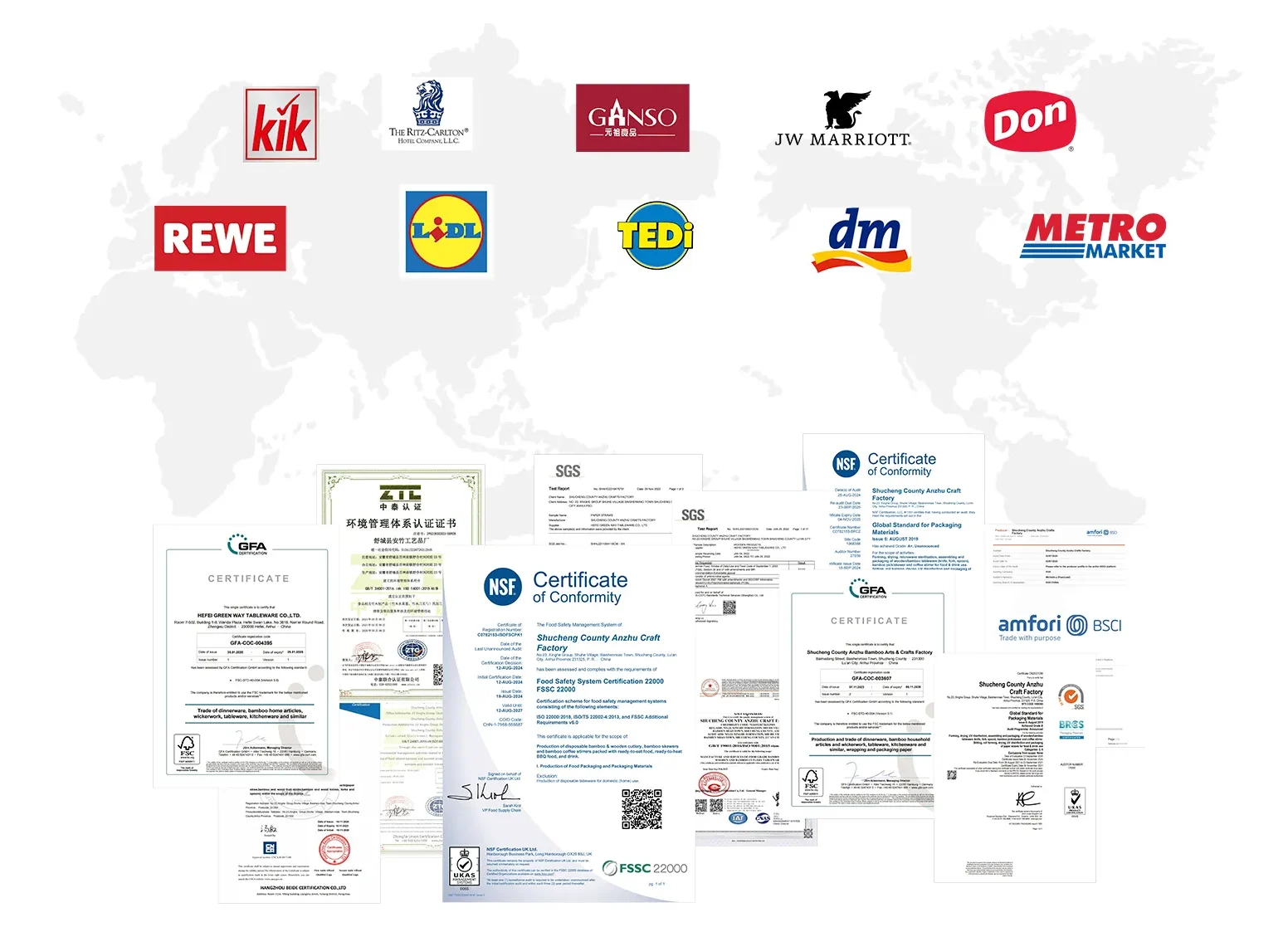
Exporting eco-friendly tableware isn’t just about product quality — it’s about meeting international safety and sustainability rules.
Food contact material regulations: Your products must comply with FDA (U.S.), LFGB (Germany/EU), or other regional food-safety standards. These certifications confirm that materials are safe for direct contact with food and beverages.
Environmental and social certifications: Look for factories with FSC (responsible sourcing), BSCI (ethical labor), or ISO14001 (environmental management) to enhance brand credibility.
Export documentation: Always ensure the correct HS codes, country-of-origin certificates, and customs paperwork are prepared to avoid clearance delays.
Market-specific regulations: Different countries have unique requirements — for example, the EU enforces Single-Use Plastic bans, while Australia and Canada promote compostable product standards.
Working with certified manufacturers not only simplifies export procedures but also helps your business stand out in sustainability-driven markets.
Pricing, MOQ & Order Planning

When exporting eco-friendly tableware from China, understanding how pricing works helps you avoid surprises and plan efficiently. Both MOQ (Minimum Order Quantity) and material type directly affect your cost and logistics. For example, bamboo and wood products usually have higher production costs but stronger retail value, while bagasse or molded fiber are lighter and cheaper for large-volume shipping. Heavier materials can raise shipping costs due to higher container weight, while lightweight compostable items may take more volume.
Lead time also varies: eco materials often need longer curing or drying periods, so allow 30–45 days for production instead of the usual 20–25 days for plastic. Planning ahead and consolidating shipments can help lower per-unit costs.
When it comes to packaging, protection matters. Eco-tableware is often delicate — it can warp, crack, or absorb moisture. Use multi-layer cartons, moisture barriers, and inner dividers to reduce breakage during shipping. Strong packaging not only protects your goods but also minimizes customer complaints.
Packaging & Logistics for Export
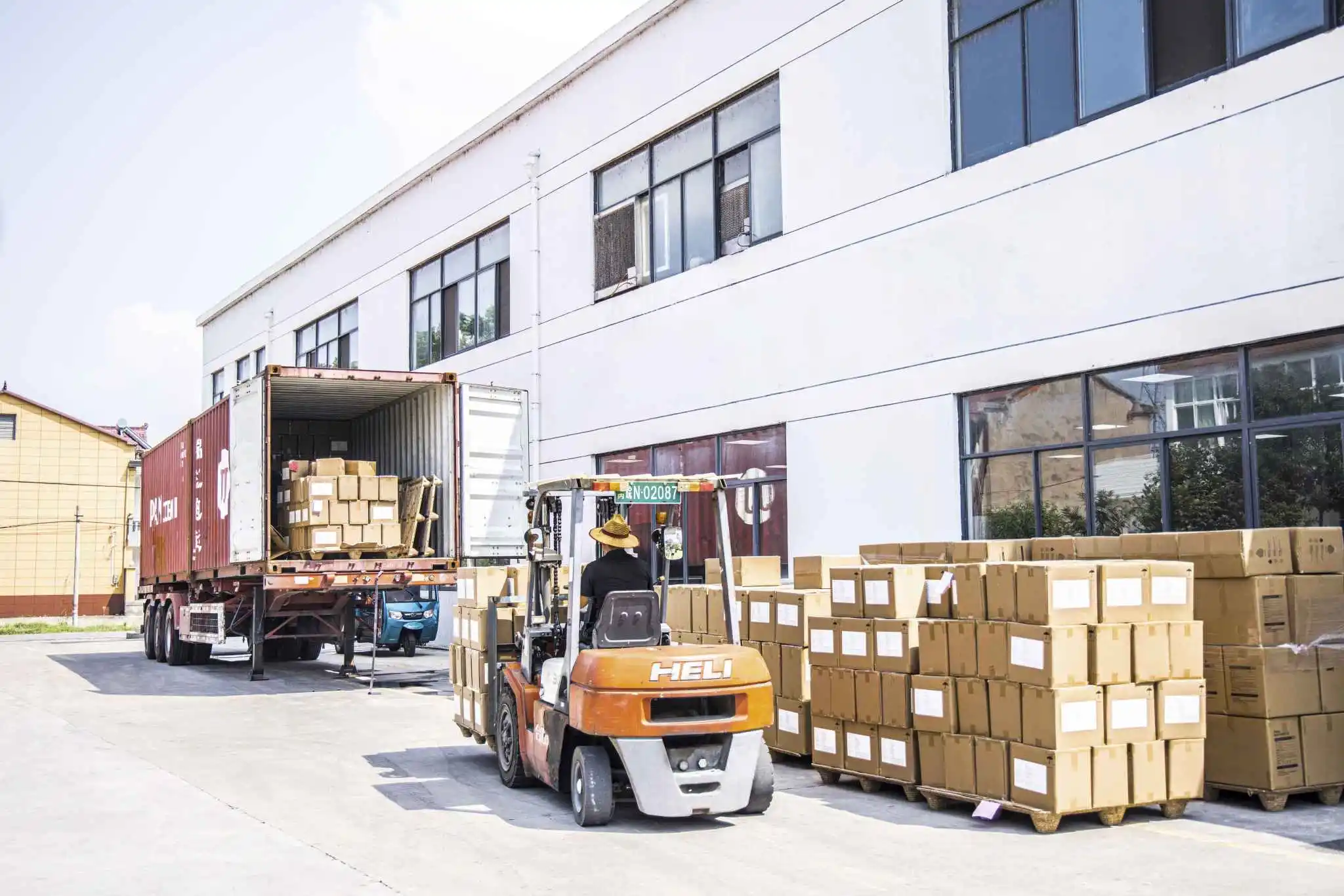
Efficient packaging and logistics are key to smooth export operations. Always choose export-ready packaging — double-wall cartons for bulk orders, palletized stacking for container safety, and shrink-wrap for moisture control. For large shipments, you can choose between FCL (Full Container Load) and LCL (Less than Container Load) based on volume and budget.
Sea freight is cost-effective for heavy bulk orders, though slower (25–40 days).
Air freight is faster but best for urgent or small-batch deliveries.
Understanding Incoterms is essential:
EXW – buyer handles pickup and export process.
FOB – supplier delivers goods to port, you handle shipping.
CIF – supplier covers cost, insurance, and freight to your destination port.
Choose the term that matches your logistics capacity and cost control needs.
Quality Control & Pre-Shipment Inspection

Quality control ensures every shipment meets both eco and export standards. Set clear inspection criteria for:
Material integrity: no cracks, warping, or contamination.
Food contact safety: confirm test reports for FDA/LFGB compliance.
Finish quality: smooth edges, consistent color, and proper branding.
Before loading the container, run a final inspection checklist — verify quantities, packaging integrity, carton labeling, and moisture protection. For B2B clients, maintain a claim and return policy in writing. It shows professionalism and builds trust for repeat orders.
Customs Clearance & Importing into Your Market
Eco-friendly tableware often falls under unique HS codes for biodegradable products, so classification accuracy is critical. Wrong codes may cause customs delays or higher duties. Prepare the following in advance:
Commercial invoice & packing list
Certificate of origin
Bill of lading
Compliance certificates (FDA, FSC, BSCI)
Tariffs and duties vary by country. For example, some regions reduce import tax for biodegradable or FSC-certified goods. Always check the latest import regulations for your destination market. Label products clearly with country of origin, and ensure packaging meets local language requirements to avoid clearance issues.
After-Sales & Building Long-Term Supplier Relationship

A successful export doesn’t end at delivery. To sustain long-term growth, focus on after-sales communication and supplier partnerships. Keep open channels with your factory — share customer feedback, discuss quality improvements, and schedule regular reorders based on performance.
For distributors, maintaining inventory management is key: track stock levels, reorder cycles, and seasonal trends to ensure continuous supply.
Lastly, leverage your manufacturer’s sustainability certifications (FSC, BSCI, ISO14001) in your marketing. Highlight the eco-story behind your products — it builds credibility with retailers and helps your brand stand out in a competitive, sustainability-driven marketplace.
Need a Reliable Eco Tableware Export Partner?

If you’re planning to import or distribute eco-friendly tableware, partnering with a trustworthy manufacturer makes all the difference. At AnzhuCraft, we specialize in sustainable tableware made from bamboo, wood, bagasse, and molded fiber — fully compliant with FDA, LFGB, FSC, and BSCI standards.
Whether you’re a wholesaler, restaurant supplier, or private label brand, our team can help you manage everything — from custom design and packaging to efficient export logistics. We’re committed to delivering high-quality, eco-conscious products that help your business grow while protecting the planet.
Ready to start your eco-export journey?
Contact us today to discuss your next order or request a free quotation.
FAQs
How to sell eco-friendly products?
Focus on telling a clear sustainability story, highlight verified credentials (e.g., FSC, B Corp), market to audiences who care about green values, and ensure transparency in sourcing and manufacturing.
How to make biodegradable tableware?
Use renewable plant-based materials (e.g., bamboo, sugarcane bagasse, molded fibre), design for food-safe use, form and treat the material for durability, then ensure the final product composts or biodegrades under the correct conditions.
How to make eco-friendly cutlery?
Select sustainable materials such as bamboo, wood or compostable bioplastics, mould or machine-process into cutlery shapes, finish with food-safe treatments, and pack using minimally-waste, recyclable or compostable packaging.
What material is 100% biodegradable?
Materials like bamboo, palm leaves, starch-based bioplastics (e.g., PHA), and certain plant-based fibres are cited as fully biodegradable under proper composting conditions.


