


Introduction
Why We Need Eco-Friendly Disposable Cutlery
Every year, people around the world throw away over 40 billion pieces of plastic cutlery. These plastic forks, spoons, and knives end up in landfills and oceans, where they can take hundreds of years to break down. As they slowly degrade, they release microplastics—tiny plastic pieces that enter our soil, rivers, and even our bodies through food and water. Scientists warn that microplastics can harm both human health and marine life.
Because of these growing problems, more consumers and businesses are looking for sustainable alternatives. Eco-friendly disposable cutlery offers a way to reduce waste without giving up convenience. They are made from natural or compostable materials and can break down much faster than plastic. This makes them a smart choice for people who want to protect the planet while still enjoying takeout meals, outdoor picnics, or large events.
The Value of This Guide
Choosing the right eco-friendly cutlery can be confusing. There are many materials, prices, and “green” claims on the market. Some products are truly sustainable, while others only pretend to be eco-friendly.
This guide will help consumers and businesses make smart decisions. You’ll learn how to balance functionality, price, and environmental impact, and discover which materials best suit your needs. Whether you run a restaurant, plan a party, or simply care about the planet, this guide will help you find the best eco-friendly disposable cutlery with confidence.
Understanding the Types and Materials of Eco-Friendly Disposable Cutlery
When it comes to eco-friendly disposable cutlery, there’s no one-size-fits-all option. Different cutlery materials have different benefits, prices, and environmental impacts. Understanding these differences will help you choose what fits your needs best.
Main Materials Compared
1. Wooden Cutlery (Birch, Poplar, or Other Woods)
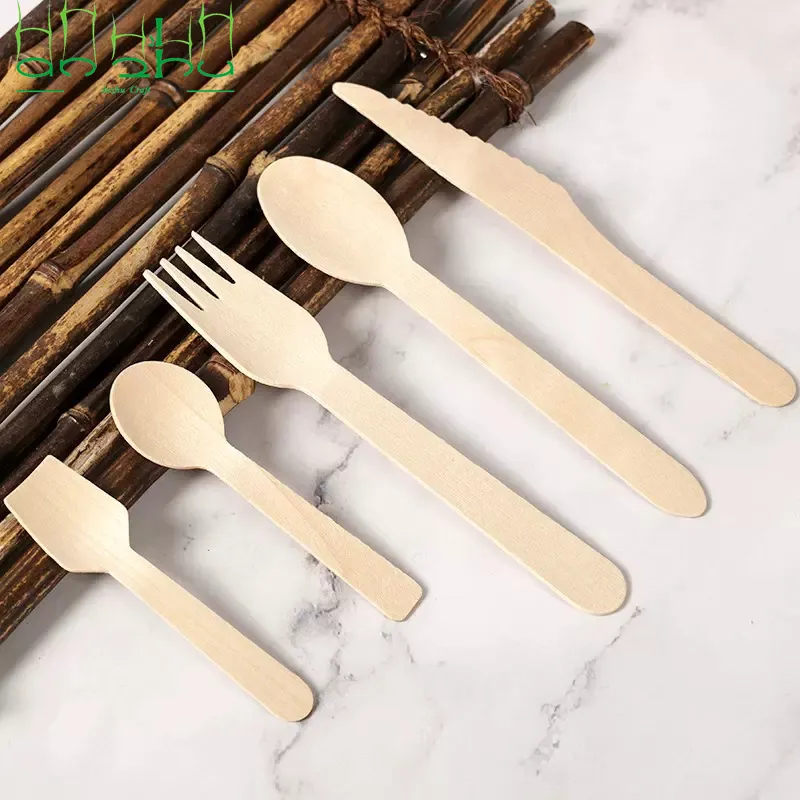
Wooden cutlery is one of the most popular eco-friendly choices. It’s made from natural wood, often birch or poplar.
Pros: It’s biodegradable, compostable, and doesn’t need any plastic coating. Wooden cutlery is also sturdy and safe for hot or cold foods.
Best for: Restaurants, cafes, or events that want a natural look and reliable performance.
2. Bamboo Cutlery

Bamboo is a fast-growing plant, making it one of the most renewable resources on Earth. It’s naturally antibacterial and very strong.
Pros: Grows quickly, reusable several times, and breaks down within 1 to 6 months under the right conditions.
Best for: Eco-conscious consumers or businesses that want to highlight sustainability and premium quality.
3. PLA (Polylactic Acid) Cutlery
PLA is made from plant starches such as corn or sugarcane. It looks and feels like plastic but is made from renewable materials.
Pros: Lightweight, smooth surface, good for cold or warm foods.
Note: PLA softens under high heat, so it’s not suitable for hot dishes.
4. CPLA (Crystallized Polylactic Acid) Cutlery
CPLA is an improved version of PLA. It’s made with added chalk and heat to make it heat-resistant.
Pros: Can handle up to 90°C (194°F), safe for hot meals, and compostable within 60 days in industrial facilities.
Best for: Cafes or catering services that serve both hot and cold food.
5. Bagasse Cutlery (Sugarcane Fiber)
Bagasse comes from sugarcane pulp, a byproduct of making sugar.
Pros: Very durable, heat-resistant, and fully compostable. It’s a great way to reuse agricultural waste.
Best for: Takeout, catering, or anyone who wants sturdy and eco-safe cutlery.
6. Cornstarch Cutlery
Made from cornstarch and natural polymers, this type of cutlery is biodegradable and lightweight.
Best for: Serving cold or room-temperature foods, and short-term use.
7. Wheat Straw Cutlery
Wheat straw cutlery uses the leftover stalks from harvested wheat plants.
Pros: Renewable, compostable, and surprisingly strong.
Best for: Large events or daily use when you want a balance between cost and eco-friendliness.
Material Comparison Table
Here’s a simple overview to help you compare the most common options:
| Material | Heat Resistance | Durability | Decomposition Time | Price Range | Notes |
|---|---|---|---|---|---|
| Wood | Medium | Strong | 2–4 months | $$ | Natural, rustic look |
| Bamboo | High | Very strong | 1–6 months | $$$ | Premium and reusable |
| PLA | Low | Medium | 2–3 months (industrial compost) | $$ | Best for cold foods |
| CPLA | High | Strong | 60 days (industrial compost) | $$$ | Ideal for hot and cold foods |
| Bagasse | High | Very strong | 2–4 months | $$ | From sugarcane waste |
| Cornstarch | Medium | Medium | 3–6 months | $ | For light meals |
| Wheat Straw | Medium | Medium | 3–5 months | $ | Low-cost eco option |
Each material has its strengths. If you need heat resistance, go for CPLA or bamboo. If your priority is budget and biodegradability, wood or wheat straw are great choices.
Key Factors to Consider When Choosing Eco-Friendly Disposable Cutlery
Finding the right eco-friendly cutlery isn’t just about picking a material that says “biodegradable.” You also need to think about quality, safety, and real-world performance. Here are the most important things to check before you buy.
Certification Standards
Not all “eco-friendly” labels are true. Some products use greenwashing, which means they look sustainable but aren’t. That’s why it’s important to check for official certifications.
Here are the main ones to look for:
- BPI Certified (Biodegradable Products Institute):
Ensures that the product can fully break down in commercial composting facilities. - CMA Certified (Compostable Manufacturing Alliance):
Confirms that the cutlery meets strict compostability requirements. - ASTM D6400 Standard:
This is the international compostability standard. Products with this label can safely decompose under industrial composting conditions.
Tip:
Always read the packaging or product page. If a brand doesn’t clearly show these certifications, it’s better to look for one that does. Certifications protect both your reputation and the planet.
Functional Performance
Besides being eco-friendly, your cutlery needs to work well in real life. Think about these three things:
Heat Resistance
If you plan to serve hot meals like soups or noodles, choose CPLA or wooden cutlery.
For cold foods such as salads or desserts, PLA or cornstarch options are fine.
Strength and Durability
You don’t want your fork bending or breaking while eating. Strong materials like bamboo, wood, or bagasse are the best for heavy or thick foods.
Before buying in bulk, test a few samples for leak resistance and stiffness.
Food Safety
Eco-friendly doesn’t always mean food-safe.
Make sure your cutlery is non-toxic, BPA-free, and has no chemical coatings or dyes.
Good-quality eco cutlery should also not affect the taste or smell of your food.
Matching the Right Cutlery to Your Use
Every situation is different. Here’s how to match the right material to your needs:
- Restaurants and Takeout:
Use bamboo or CPLA cutlery for durability and a clean, professional look. - Large Events or Parties:
Choose wood or bagasse cutlery — it’s affordable and compostable. - Fast Food and Cafeterias:
Cornstarch or wheat straw cutlery is budget-friendly and works well for everyday use. - Home and Picnics:
PLA or wooden cutlery is perfect for simple meals and snacks.
Always think about the type of food, number of guests, and disposal options before deciding.
Disposal and End-of-Life Options
Knowing how to dispose of eco-friendly cutlery is just as important as choosing it.
- Compostable:
These items need to be sent to an industrial composting facility to break down completely. - Biodegradable:
These can naturally decompose in the environment, but the process may take longer. - Recyclable:
Some materials (like certain types of CPLA) can be recycled, but they require special sorting facilities.
Check your local waste management rules. Not every city has composting systems, so it’s smart to choose materials that match what’s available in your area.
Price and Value Analysis
When choosing eco-friendly disposable cutlery, price always matters. But remember — cheaper isn’t always better. You need to find a balance between cost, quality, and sustainability. Let’s look at how different materials compare and how to make smart buying decisions.
Price Range (2025 Overview)
Here’s a general idea of what you can expect to pay for each type of cutlery in 2025:
- Plastic Cutlery:
Still the cheapest option, but not eco-friendly and often banned in many regions. - Wooden Cutlery:
Mid-range price. Affordable, biodegradable, and strong enough for most meals. - Bamboo Cutlery:
Higher price range. Offers a premium look and feel, ideal for restaurants or events that value presentation. - CPLA Cutlery:
Usually the most expensive, but also the most heat-resistant and professional-looking among compostable options.
Overall, wooden cutlery gives the best value for money, while bamboo and CPLA work well for brands or businesses that want to highlight quality and sustainability.
Bulk Buying Tips
If you need large quantities — for restaurants, catering, or events — buying in bulk can save you a lot of money. Here are some useful tips:
- Bulk vs. Individually Wrapped:
Bulk packaging costs less and reduces waste, but individually wrapped cutlery is more hygienic for takeaway services. - Sets vs. Single Items:
Buying sets (fork, knife, spoon) is convenient and usually cheaper than buying each item separately. - Compare Long-Term Costs:
High-quality cutlery might cost more upfront but can reduce customer complaints, product waste, and brand damage over time.
When buying wholesale, always ask for sample packs to test the strength and texture before placing a big order.
Best Choices for Different Budgets
Everyone has a different budget. Here’s a simple guide to help you choose the right option:
| Budget Level | Recommended Materials | Why It’s a Good Fit |
|---|---|---|
| Low Budget | Wooden or Cornstarch | Affordable, biodegradable, easy to find |
| Medium Budget | Bamboo or PLA | Better look and feel, good eco performance |
| High Budget | CPLA or Premium Bamboo | Excellent quality, heat-resistant, professional appearance |
If you’re just starting a small business or need eco cutlery for home use, wood or cornstarch is a smart choice.
For cafes or restaurants that want to stand out, bamboo or CPLA will create a more premium, eco-conscious image.
Quick Tip:
When calculating value, don’t just look at the unit price. Consider the durability, compostability, and customer experience. A slightly higher price can lead to better satisfaction — and less waste.
Recommended Disposable Cutlery Manufacturer
When choosing eco-friendly disposable cutlery, it’s best to buy from trusted brands that offer quality, safety, and clear sustainability standards. Below are a few reliable options, with one standout brand leading the way.
1. Anzhu

Anzhu is one of the most trusted brands in the eco tableware market. It focuses on high-quality bamboo and wooden cutlery made from responsibly sourced materials.
Their products are biodegradable, compostable, and chemical-free, making them safe for both people and the planet.
Anzhu also stands out for its smooth design, durability, and fair pricing, making it a great choice for restaurants, catering services, and eco-conscious homes.
If you’re looking for reliable, stylish, and sustainable disposable cutlery, Anzhu is the brand to start with.
2. Bioleader
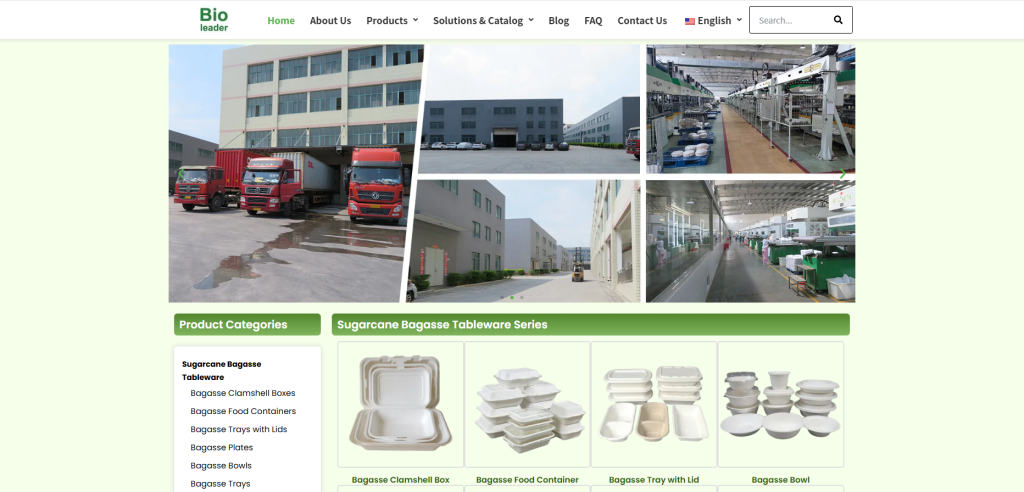
Bioleader is a Chinese manufacturer specializing in compostable CPLA and cornstarch cutlery, including biodegradable knives, forks, spoons, and individually wrapped cutlery sets.
3. Biopak
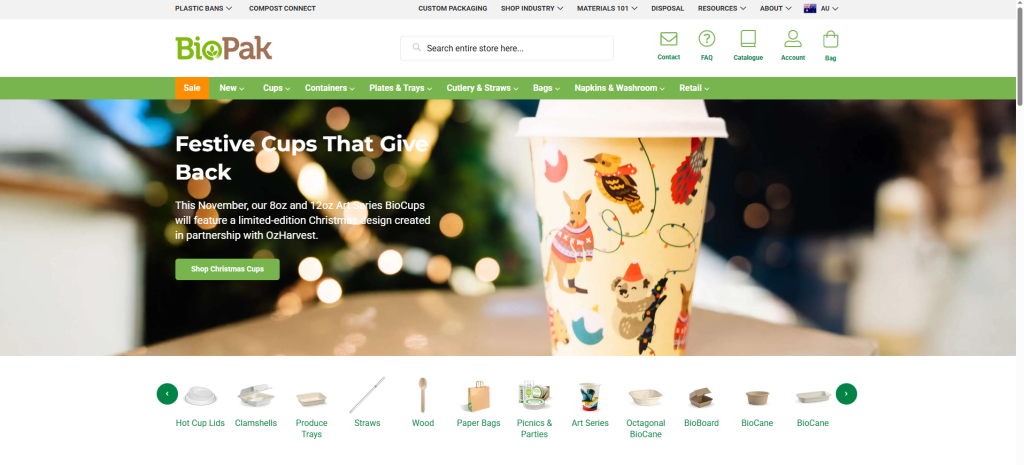
Biopak creates PSM and PLA compostable utensils used by large-scale catering operations and eco-conscious businesses. Its commitment to carbon neutrality and local composting programs sets it apart.
4. Vegware
Vegware is a pioneer in compostable foodservice packaging. It produces CPLA compostable cutlery and packaging certified to EN13432 and ASTM D6400, suitable for industrial composting.
Frequently Asked Questions (FAQ)
1. Do eco-friendly cutlery products really break down completely?
Yes, they do — but it depends on the material and where they’re disposed of.
Wood, bamboo, and bagasse can naturally decompose in a few months.
PLA and CPLA need industrial composting facilities with the right temperature and conditions to fully break down.
If composted correctly, they leave no plastic waste or harmful residue.
2. How should I dispose of compostable cutlery?
For the best results, place compostable cutlery in a commercial compost bin.
If you don’t have access to industrial composting, choose wood or bamboo cutlery, which can break down faster in natural conditions.
Avoid throwing eco-cutlery into regular trash — it will take longer to decompose in landfills.
3. Does eco-friendly cutlery change the taste of food?
No. Good-quality brands like Anzhu make cutlery that is taste-neutral and chemical-free.
You can enjoy your meal without any wooden or plastic aftertaste.
4. What’s the difference between CPLA and PLA cutlery
Both are made from plant starch, but CPLA is crystallized, making it stronger and heat-resistant.
- PLA: best for cold or warm foods.
- CPLA: safe for hot meals up to 90°C (194°F).
If you often serve hot food, CPLA is the better choice.
5. Is eco-friendly cutlery safe for children?
Yes! Eco-friendly cutlery made from bamboo, wood, or cornstarch is non-toxic and BPA-free.
They’re safe for kids and even suitable for family picnics or school lunches.
6. How can I spot greenwashing products?
Look for official compostability certifications like BPI, CMA, or ASTM D6400.
Avoid products that only say “eco” or “biodegradable” without proof or labels.
Trusted brands such as Anzhu clearly list their certifications and material details on packaging.
7. What if my area doesn’t have composting facilities?
If you don’t have access to industrial composting, pick materials like bamboo or wood, which can naturally degrade in your home compost or garden soil.
They’re simple, safe, and still reduce your environmental footprint.
8. Can I microwave eco-friendly cutlery?
Most eco-friendly cutlery is not designed for microwaves.
Wood, bamboo, and bagasse can handle mild heat but might dry out or warp in the microwave.
CPLA is the most heat-tolerant option — but even then, it’s better to avoid direct microwave heating for long periods.
Final Thought:
Eco-friendly cutlery is more than just a trend — it’s a smart, planet-friendly choice.
Whether you’re a restaurant owner, event planner, or simply someone who cares about sustainability, choosing trusted brands like Anzhu helps reduce plastic waste and make everyday dining greener.
Explore Anzhu’s eco cutlery collection
Switch to Anzhu’s eco-friendly disposable cutlery — made from natural bamboo and wood, safe for your health, and kind to the planet. Whether you’re running a café, planning an event, or just upgrading your daily dining routine, Anzhu helps you enjoy convenience without harming the environment.


