


If you’ve ever seen the words biodegradable or compostable on a product label and felt a little confused—you’re not alone. These eco-friendly terms are everywhere now, from shopping bags to coffee cups, and they often seem like they mean the same thing. But while they sound similar, they’re not the same at all.

Understanding the difference between compostable and biodegradable is important if you care about the environment (and chances are, you do!). Making the right choice helps reduce waste, avoid pollution, and support better recycling and composting systems.
What Does Biodegradable Mean?

A biodegradable product is something that can be broken down by natural organisms like bacteria or fungi. Over time, these tiny helpers eat away at the material until it’s gone.
But here’s the catch: there’s no set time or place for how—or when—that breakdown happens. It could take a few months… or it could take decades. And sometimes, even when a product does biodegrade, it can leave behind harmful stuff like microplastics or toxins that hurt the environment.
In short, biodegradable sounds nice, but without more details, it doesn’t always mean “safe” or “planet-friendly.”
What Does Compostable Mean?
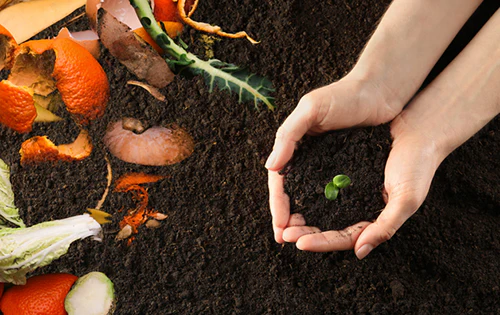
A compostable product also breaks down naturally, but with a big difference: it happens in a controlled environment and on a clear timeline.
To be labeled compostable, a product must:
Break down within about 180 days
Leave no toxic residue
Turn into carbon dioxide, water, and nutrient-rich compost
This compost helps plants grow and keeps soil healthy. Compostable products must meet strict standards and are often tested to make sure they’re truly safe for the environment.
So while all compostable items are biodegradable, not all biodegradable items are compostable.
Compostable vs. Biodegradable: 5 Key Differences
| Aspect | Compostable | Biodegradable |
|---|---|---|
| End Product | Turns into safe, nutrient-rich compost | May leave microplastics or toxic residue |
| Breakdown Conditions | Needs industrial or home compost setup | Breaks down in varied conditions, less predictable |
| Decomposition Timeframe | Typically within 90–180 days | Can take months, years, or decades |
| Residue Left Behind | Leaves no harmful residue, safe for soil | May leave microplastics or chemical traces |
| Labeling & Clarity | Certified and regulated (e.g., ASTM D6400) | Often vague or used as marketing |
Now that we’ve defined both terms, let’s look at how compostable and biodegradable products truly stack up.
1. End Product

Compostable products turn into safe, nutrient-rich compost that helps plants grow.
Biodegradable products can break down too, but some may leave behind microplastics or toxic chemicals. That’s not something you want ending up in soil or water.
2. Breakdown Conditions

Compostable items need the right environment to break down properly—this includes heat, moisture, oxygen, and lots of helpful microbes. That’s why many compostable products are made for industrial composting facilities.
Biodegradable products can decompose in a variety of conditions, but there’s no guarantee of how clean or complete the process will be.
3. Decomposition Timeframe
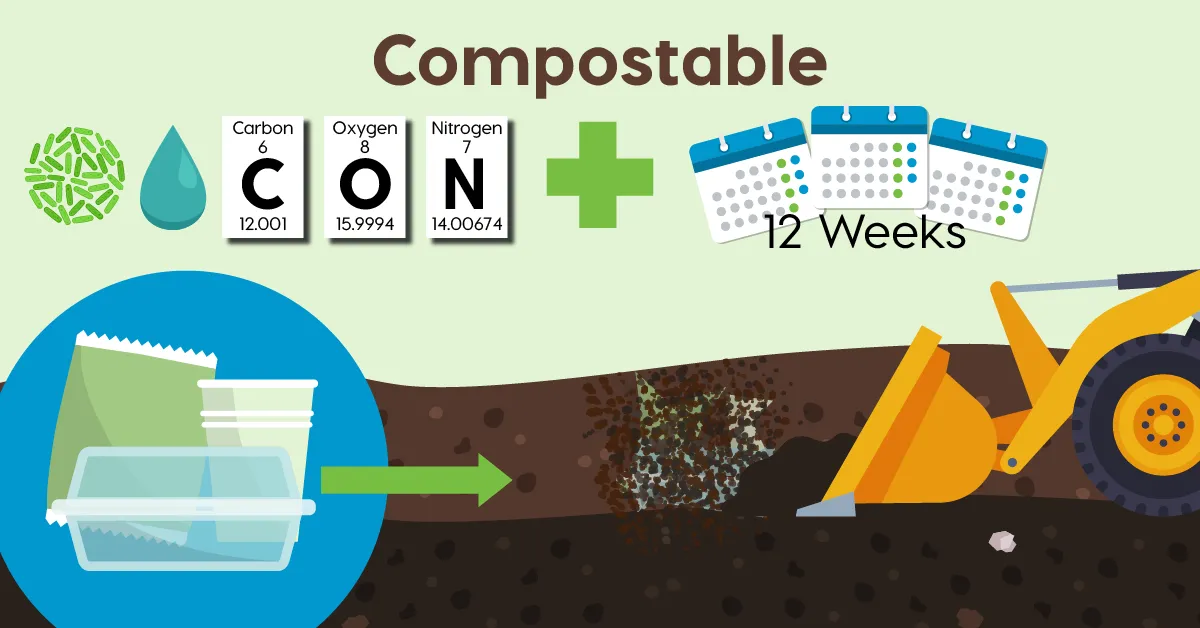
Compostable materials are designed to break down in about 180 days or less in a composting system.
Biodegradable items can take months, years, or even decades depending on where they end up—like in a landfill or the ocean.
4. Residue Left Behind

Compostable materials are tested to make sure they leave no harmful residue. Just compost that’s safe for soil, plants, and the environment.
Biodegradable materials aren’t held to the same standard. They may leave behind invisible microplastics or chemicals that stick around long after the product is gone.
5. Use Case Clarity

Compostable = clear, regulated, and tested. You know what you’re getting.
Biodegradable = vague and often used as a marketing trick. Some companies label products as biodegradable just to sound eco-friendly—even if it takes years to break down or pollutes the environment.
How to Choose the Right Eco-Friendly Packaging

Choosing truly green packaging can be confusing. Just because something says “eco” doesn’t always mean it’s good for the environment. Here’s how to make smart, sustainable choices:
Look for Certifications
Don’t just trust the word “biodegradable” on a package. Look for certifications like:
ASTM D6400 (USA)
EN 13432 (Europe)
Certified Compostable Logos (BPI, OK compost, etc.)
These prove the product breaks down safely and fully under proper composting conditions — not just “eventually.”
Know Your Local Disposal Options
Do you have access to industrial composting or a well-managed home compost bin?
If not, even compostable items may end up in landfills, where they won’t break down properly. Compostable plastics especially need the right heat and moisture to decompose fully.
Choose the Right Materials

Stick to plant-based, certified compostable materials like:
Uncoated paperboard
Corn-based PLA (only if compostable certified)
Avoid generic “biodegradable plastic,” which may only break into microplastics — not great for the planet.
Don’t Fall for Misleading Labels
Be cautious with terms like:
“Oxo-degradable”
“Degradable”
“Eco plastic”
These often mean regular plastic mixed with additives that just help it fragment into tiny pieces — not truly decompose.
Final Thoughts

Compostable and biodegradable aren’t just buzzwords—they represent two very different paths for how products impact the planet.
The takeaway?
Compostable = tested, safe, and beneficial for soil
Biodegradable = vague, unregulated, and sometimes misleading
If you’re a consumer, look for certified compostable products and check if they’re home compostable or need industrial facilities. Always dispose of them correctly to get the full environmental benefit.
If you’re a business, be clear and honest with your labeling. Avoid greenwashing. Choose materials that meet real standards like ASTM D6400, BPI, or TÜV OK Compost HOME. Your customers care—and so does the planet.
Making better choices starts with better information. Now that you know the difference, you’re one step closer to reducing waste and supporting a cleaner, greener future.


