


Wooden spoons are becoming very popular in today’s eco-friendly kitchens. Many people choose them because they are safe, natural, and better for the planet than plastic spoons. They also bring a warm and classic touch to cooking.
Understanding how wooden spoons are made helps consumers make smarter choices. When you know the process, you can see the difference between high-quality, safe spoons and those that may not last long.
There are two main ways to make wooden spoons. The traditional way uses hand carving and simple tools. This method creates strong, unique spoons, often with more character. The modern way uses machines to cut, shape, and finish spoons quickly. This process is faster and makes it easier to produce spoons in large numbers.
In this blog, we will look at the 8 main steps of wooden spoon manufacturing. You will learn how wood is selected, shaped, treated, and finished before it reaches your kitchen.
Step 1: Wood Selection and Preparation
The first step is choosing the right wood. For traditional wooden spoons, makers often pick hardwoods like maple, cherry, oak, or beech. These woods are strong and last a long time.

For disposable spoons, factories usually use birch wood strips. Birch is light and easy to shape. Bamboo is also a good alternative because it grows fast and is eco-friendly. Ice cream spoons need very thin wood, often only 1–2 mm thick, so they are easy to use for cold desserts.
After choosing the wood, it must go through drying. This step removes extra water inside the wood. If the wood is not dry, the spoon can crack or bend later. Makers use air drying or special machines to control the process.
Sourcing also matters. Many factories now use wood from forests that are replanted and managed well. This helps protect the environment and keeps production sustainable.
Step 2: Wood Processing and Slicing

After the wood is chosen and dried, it needs to be cut into the right size. For disposable spoons, large planks are sliced into thin sheets with special machines. These thin sheets are easier to shape into spoons.
For traditional spoons, the process is a bit different. Makers cut the wood into small blocks. Each block will later become one spoon. This way, the spoon stays strong because it comes from solid wood.
At this stage, factories also check the wood for cracks, knots, or weak spots. Quality control is important early, because bad wood can cause spoons to break later.
There is also a difference between veneer strips and solid wood blocks. Veneer strips are thin and used for stamped disposable spoons. Solid blocks are thicker and better for carved spoons. Both methods are useful, but they make very different kinds of spoons.
Step 3: Shaping and Cutting
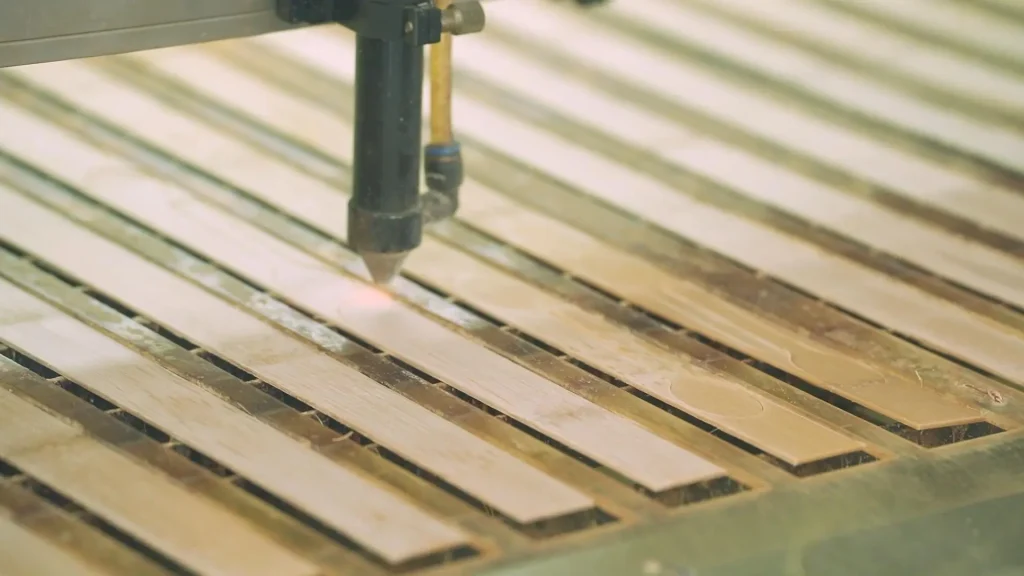
Now the wood starts to look like a spoon. For traditional spoons, makers often use hand tools to carve and whittle. They slowly shape the bowl and the handle. This takes skill and time, but the result is unique and strong.
In modern factories, machines do the shaping. Automated cutters and molds can make many spoons very quickly. This method keeps the size and shape the same for every spoon.
For disposable spoons, the process is even faster. Thin wood sheets are stamped and cut with dies. This creates the outline of the spoon in one quick press. The spoon bowl and handle appear at the same time.
At this stage, the spoon has its basic shape. Later steps will smooth it, dry it, and make it ready for safe use.
Step 4: Hot Water Treatment (For Disposable Spoons)
Disposable spoons need one extra step. The thin wood strips are soaked in hot water. This softens the fibers and makes the wood easier to bend. The heat also helps release lignin, a natural glue inside the wood.
This step is very important. Without hot water treatment, the wood would crack when pressed into spoon shapes. Factories control both temperature and soaking time carefully. If the water is too hot or the time too long, the wood can become weak.
Traditional wooden spoons do not need this step. Since they are carved from solid blocks, the wood stays strong without softening.
Step 5: Molding and Final Shaping
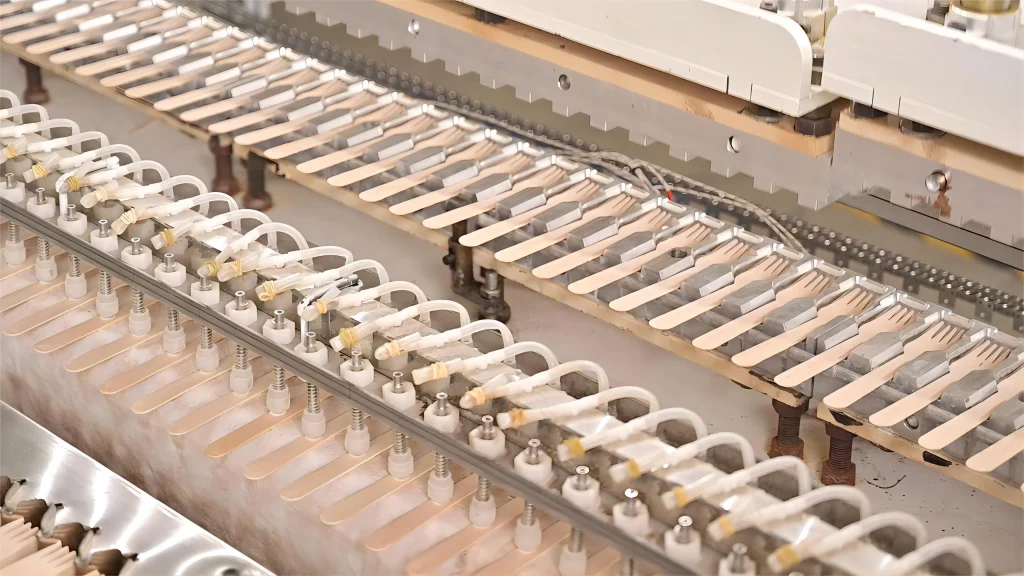
After softening, the wood can be shaped into its final form. For traditional spoons, makers continue carving by hand. They refine the bowl, smooth the handle, and make the spoon balanced and comfortable to use.
In factories, disposable spoons are placed into heated molds. The molds press the wood sheets into the right shape. This makes every spoon look the same and keeps production fast.
For ice cream spoons, special machines press very thin sheets into small, flat spoons. These spoons must be strong enough for frozen desserts but still light and easy to use.
At this stage, the spoon has its final shape. Next, it must be dried carefully to stay strong.
Step 6: Drying Process
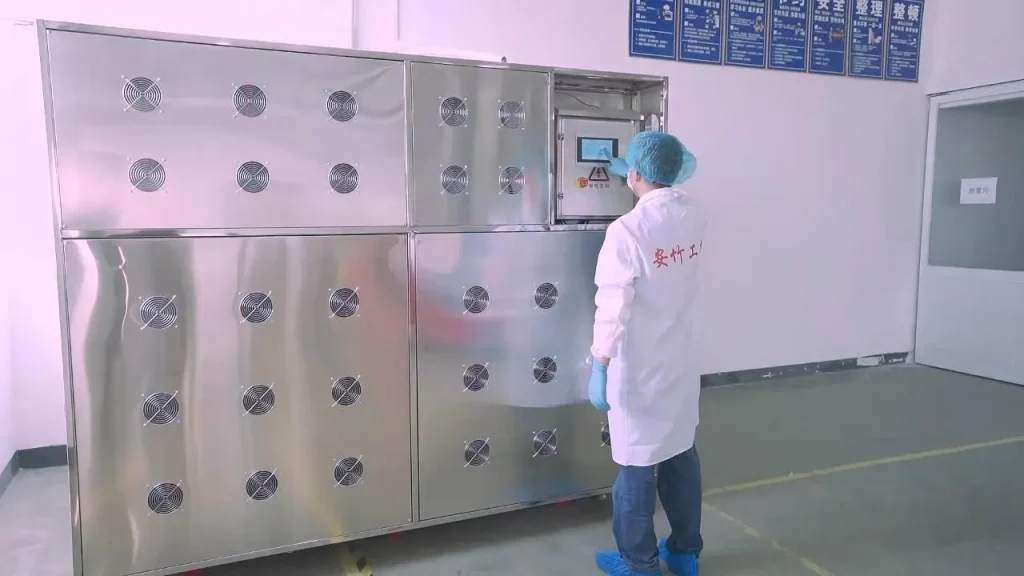
Once the spoon is shaped, it must be dried. Drying keeps the spoon from bending or cracking later.
There are two main methods. Some makers use natural air drying. They place the spoons in open space with good airflow. This method is slow but gentle. Others use kiln drying, which is done in special heated rooms. Kiln drying is faster and allows better control of moisture.
The goal is to reduce the water inside the wood to the right level. If too much moisture stays, the spoon can warp. If it gets too dry, it may split. Different types of spoons need different drying times. Traditional spoons usually take longer, while thin disposable spoons dry much faster.
Step 7: Sanding and Surface Finishing
After drying, the spoon surface feels rough. Sanding makes it smooth and safe for use. Makers usually start with coarse sandpaper and then move to finer ones. Step by step, the spoon becomes soft to the touch.
This process removes splinters and sharp edges. A well-sanded spoon will not scratch the mouth or hands. For food use, the surface must feel smooth and clean.
Factories check spoons carefully during this stage. Quality control makes sure each spoon is safe, strong, and pleasant to use.
Step 8: Treatment and Final Processing
The last step is treatment and packaging. Many wooden spoons are coated with food-safe oils or waxes. Common choices include mineral oil, beeswax, or natural plant wax. These coatings protect the wood and make it last longer. They also keep the spoon from drying out.
Most makers avoid harsh chemicals. This keeps the spoons safe for cooking and eating. Some factories also use heat or UV light to sterilize the spoons before packaging. This step ensures they are clean and ready for use.
Finally, the spoons go through one more quality check. Workers look for cracks, stains, or rough spots. After passing inspection, the spoons are packed and prepared for shipping.
How Sanitary Are Wooden Spoons?
Wooden spoons are safe when used the right way. Some types of wood even have natural antibacterial properties. This means they can fight germs better than plastic in some cases.
Cleaning is simple. Wash wooden spoons by hand with mild soap and warm water. Avoid soaking them for too long, because too much water can damage the wood. After washing, let them air dry fully.
Wooden spoons also need care. Rubbing them with food-safe oil from time to time keeps the surface healthy. It also prevents cracks.
Compared to plastic, wood does not easily hold bacteria inside scratches. Research shows that wood can be as safe, or even safer, than plastic if you clean it well. In restaurants or factories, spoons may go through heat treatment or UV sterilization to make sure they stay sanitary.
Are Wooden Spoons Treated with Chemicals?
Most wooden spoons are treated only with food-safe finishes. Makers often use mineral oil, beeswax, or carnauba wax. These protect the wood and keep it smooth. They are safe for cooking and eating.
You should avoid spoons with harsh chemicals or shiny synthetic coatings. These can be unsafe for food contact. Good spoons usually follow safety rules such as FDA standards.
Some spoons use natural oils or plant-based waxes instead. These are eco-friendly choices. If you want chemical-free spoons, look for simple finishes and trusted certifications.
Checking labels and product details can help you know if a spoon is safe. A good rule: if it smells like strong chemicals, don’t use it for food.
What Are the Disadvantages of Wooden Spoons?
Wooden spoons are useful, but they also have some downsides. First, they need care. You must oil them often to keep the wood strong and smooth. Without oil, they can dry out and crack.
Wood can also absorb flavors, colors, and odors from food. For example, cooking curry or tomato sauce may leave a mark or smell on the spoon.
Durability is another issue. Over time, wooden spoons can split or break, especially if they are not dried properly after washing.
Cleaning also has limits. Many wooden spoons should not go into the dishwasher, because the heat and water can damage them. Hand washing is safer.
Finally, cost can be higher than plastic or metal spoons. Traditional handmade spoons especially cost more. But they often last longer and feel better to use.
Wooden Spoon Special Applications
Wooden spoons are not only for cooking. They are also made for special uses, such as disposable spoons and ice cream spoons.
Disposable Wooden Spoons
Disposable spoons are made in large numbers. Factories use automated machines to cut, press, and form them quickly. After shaping, they are packed in clean, sterile packages. This keeps them safe for food service. To keep costs low, factories balance quality with speed. Even so, wooden spoons remain a better choice than plastic because they are biodegradable and eco-friendly.
Ice Cream Spoons
Ice cream spoons need special care during production. They are made from very thin wood, often less than 2 mm thick. This makes them light but still strong enough to handle frozen desserts. Makers also test the spoons to be sure they do not break easily in hard ice cream. Another important detail is flavor neutrality. A good ice cream spoon should not leave a wooden taste in your mouth.
These special wooden spoons show how flexible wood can be. Whether for daily cooking, single-use events, or desserts, wooden spoons remain a safe and natural option.
Conclusion
Making a wooden spoon is not simple. It takes eight clear steps, from choosing the wood to the final treatment. Each step matters for strength, safety, and comfort. Good drying prevents cracks. Careful sanding makes the surface smooth. Food-safe oils protect the spoon and keep it lasting longer.
For consumers, knowing the process helps with better choices. A well-made spoon is safe, eco-friendly, and long-lasting. A poorly made one may crack, feel rough, or even be unsafe.
Wooden spoons also show the future of kitchen tools. More factories use sustainable wood, avoid chemicals, and focus on eco-friendly production. This makes wooden spoons not only good for cooking, but also good for the planet.
FAQs
How long does it take to make a wooden spoon?
It depends on the method. A handmade spoon can take several hours, while a factory-made disposable spoon takes only minutes.
Can wooden spoons be mass-produced safely?
Yes. Modern machines can make thousands of spoons every day. With quality checks and sterilization, they stay safe for food use.
What’s the difference between handmade and machine-made wooden spoons?
Handmade spoons are unique and often stronger, but they take more time and cost more. Machine-made spoons are faster to produce and all look the same.
Are all wooden spoons food-safe?
Not always. You should choose spoons treated with food-safe oils or waxes. Avoid spoons with chemical coatings.
How can I tell if my wooden spoon is properly treated?
A good wooden spoon feels smooth and has no chemical smell. If it looks natural and is labeled food-safe, it is likely treated correctly.
Cooperate with wooden spoon manufacturer anzhu

Looking for high-quality wooden spoons? At Anzhu, we offer durable traditional spoons, eco-friendly disposable spoons, and custom designs for your business. Our factory ensures strict quality control, food-safe treatments, and sustainable sourcing. Partner with us to get reliable products, competitive prices, and professional service.


