


What Counts as Wooden Cutlery Today?

Wooden cutlery generally falls into two categories: disposable sets and reusable utensils. Disposable versions, often made from birch or beech, are common in cafés, events, and takeaway shops as eco-friendly alternatives to plastic, especially in regions with single-use bans.
Reusable utensils, crafted from hardwoods like beech, maple, or olive, are staples in kitchens. They’re durable, safe for nonstick cookware, and long-lasting with proper care. In short, wooden cutlery ranges from convenient single-use options to timeless utensils designed for everyday cooking.
Pros & Cons of Wooden Cutlery

Like every product, wooden cutlery has its strengths and trade-offs. Here’s a quick breakdown to help you decide if it fits your needs.
Pros
Renewable & eco-friendly – Made from natural wood, it’s a sustainable alternative to plastic.
Pan-safe – Wooden utensils won’t scratch nonstick or delicate cookware.
Heat resistant – Handles hot foods without melting or releasing chemicals.
Non-reactive – Wood doesn’t react with acidic foods like tomatoes or vinegar.
Nice presentation – Natural wood adds a clean, rustic look for events or home dining.
Cons
Dry mouthfeel – Some people find disposable wooden forks or spoons feel “dry” compared to plastic or metal.
Knife limitations – Wooden knives can cut soft foods but struggle with tougher items.
Care needed – Reusable pieces should be hand-washed and dried quickly to avoid cracking or warping.
In short, wooden cutlery balances eco-benefits and safe use with a few quirks in feel and care. If you want sustainability with a natural look, it’s a strong choice.
Materials & Woods (and Why They Matter)

Not all wooden cutlery is created equal. The type of wood makes a big difference in strength, durability, and overall feel. Here’s what you should know:
Birch – Light in color, smooth, and splinter-resistant. Birchwood is the most common choice for disposable cutlery, especially forks, spoons, and knives used at cafés or events.
Beech – Slightly denser than birch, with a warm tone. Beechwood is also popular for single-use cutlery because it’s easy to shape and provides a clean, natural look.
Maple – A hardwood with tight grain, often used for reusable utensils like spoons, spatulas, and serving tools. Durable and resistant to cracking.
Olive – Known for its attractive grain and rich color. Olive wood utensils are stylish, long-lasting, and ideal for kitchen use or upscale dining.
Walnut – Darker hardwood that adds elegance. Walnut cutlery or utensils hold up well under repeated use and give a premium touch to any table.
Pro tip: When choosing wooden cutlery, look for tight-grained woods. They absorb less moisture, resist warping, and last longer — whether you’re buying disposables in bulk or investing in reusable utensils for your kitchen.
Food Safety: What the Science Says

Many people wonder if wooden cutlery is truly safe to use. Research shows that while wood has tiny pores that can trap moisture and bacteria, those same pores often work to your advantage. Microbes get pulled inside the wood’s structure, where they quickly lose the ability to survive. In fact, when washed and dried properly, wooden utensils are no more risky than plastic or metal ones. The key is simple care: rinse after use, avoid soaking, and let them dry completely. With these steps, wooden cutlery is a safe, reliable option for everyday meals and events.
Compliance & Regulations (EU/UK/US Basics)

When it comes to safety, wooden cutlery must follow the same rules as other food-contact materials. In the EU, the key law is Framework Regulation (EC) 1935/2004, which requires that all items touching food be safe and not transfer harmful substances. While there isn’t a single EU-wide standard for wood, some member states have extra guidelines, and many companies use third-party testing through organizations like ProductIP or Eurofins to show compliance.
Policy changes are also shaping demand. The EU Single-Use Plastics Directive banned plastic cutlery, and since 2023, England has banned single-use plastic forks, spoons, and knives as well. These moves are driving businesses toward wooden, bamboo, and paperboard alternatives as environmentally safer options.
Compostability & End-of-Life (What Buyers Must Know)
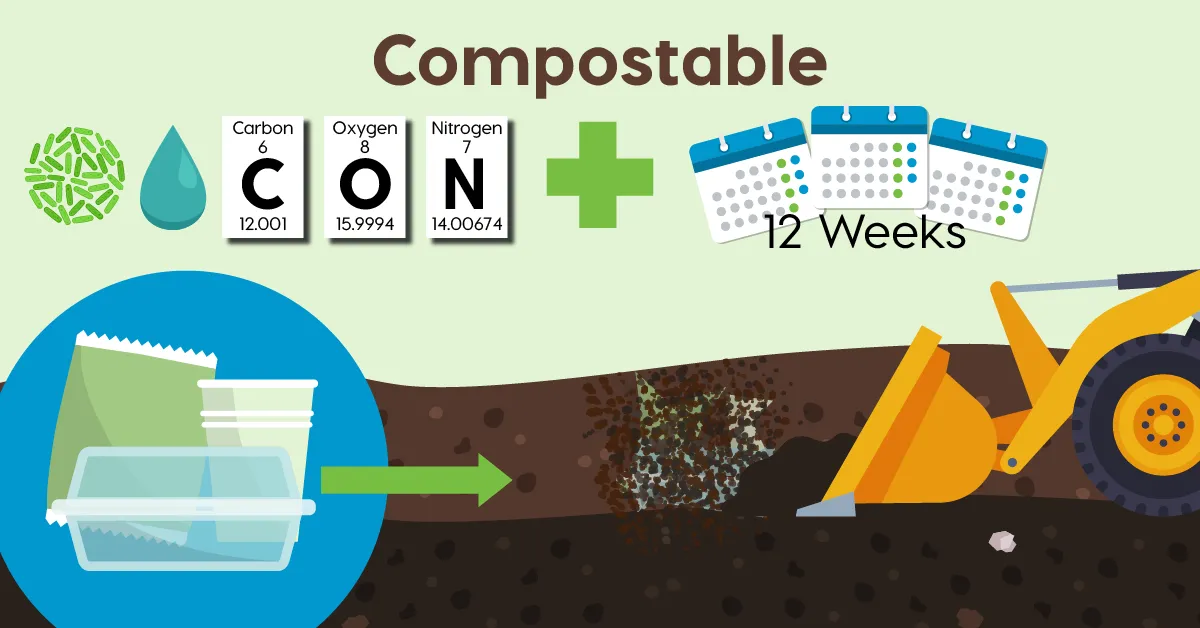
One of the biggest appeals of wooden cutlery is that it’s naturally compostable—especially when left untreated. However, local acceptance varies widely. Many municipal composting programs do not accept “compostables” in food or yard waste bins, even if the item is technically biodegradable. Unlike bioplastics, which fall under standards like ASTM D6400/D6868, wood doesn’t need special certification, but labeling rules can still affect how products are marketed. The safest advice? Always check local guidelines to confirm whether wooden cutlery can go into compost or should be disposed of another way.
Sizes, Formats & Specs (B2B Cheat-Sheet)

If you’re sourcing wooden cutlery for catering, cafés, or events, knowing the standard sizes and formats will save you time and money. Most disposable forks, spoons, and knives come in the 14–16 cm range, which feels comfortable for everyday dining. For takeaway services or formal events, many suppliers also offer wrapped cutlery kits that include a fork, knife, spoon, and napkin—making them hygienic and ready to serve.
When choosing products, look for FSC-certified birchwood or other responsibly sourced woods. This certification gives buyers confidence that the wood comes from sustainable forests and meets international standards. You can also find specialty items like tasting spoons, ice cream paddles, or heavy-duty knives, depending on your needs.
In short, wooden cutlery is available in multiple sizes and packaging styles, with sustainable certifications widely accessible—making it easy to match both practical requirements and eco-friendly goals.
How Disposable Wooden Cutlery Is Made (Quality Signals)

Ever wonder how those smooth, sturdy wooden forks and spoons are made? The process is more detailed than it looks, and each step plays a role in quality and safety. Here’s a quick look behind the scenes:
Wood preparation – Manufacturers start with thin veneers peeled from logs or solid blanks, depending on the design.
Hot pressing & shaping – The cutlery is formed using heated molds that press the wood into shape.
Drying – Pieces are carefully dried to reduce moisture, preventing warping and cracking.
Sanding & deburring – Multi-stage sanding smooths every edge, removing splinters and rough spots.
Optional food-safe finishes – Some products receive a light, food-grade coating for added smoothness or moisture resistance.
Quality control checks – Final inspections confirm consistency, smooth edges, and a splinter-free finish.
What to look for: High-quality disposable wooden cutlery should feel smooth in the hand, show no sharp edges, and have a natural, clean appearance. These are the signs of careful production and a product that’s safe and pleasant to use.
Performance vs Alternatives
When choosing cutlery, wood is often compared with plastic, bamboo, and even paperboard. Each material has its place, but the differences matter depending on your priorities.
Wood vs Plastic/Bioplastic

Wooden cutlery offers a sturdier feel and better heat resistance than standard plastic. It doesn’t bend under hot food and has a more natural mouthfeel. Bioplastics, while marketed as compostable, often require industrial facilities for proper breakdown. Disposal success depends heavily on local systems, making wooden cutlery a more reliable eco-friendly choice.
Wood vs Bamboo

Bamboo and wood perform very similarly in strength and function. The main difference lies in image and branding. Bamboo is often marketed as sleeker and more “premium,” while wooden cutlery tends to feel rustic and approachable. In the end, it comes down to the experience you want to create for your customers.
Wood vs Paperboard

Paperboard cutlery is lightweight and fully compliant with EU Single-Use Plastics Directive rules. It’s also efficient in material use. However, the eating experience can be quite different—paperboard often feels less rigid and doesn’t offer the same natural texture as wood.
In short, wooden cutlery strikes a balance between durability, heat resistance, and eco-credibility, making it a strong alternative to both traditional plastics and newer substitutes.
Buying Guide for Events, Cafés, Catering, and Airlines

If you’re sourcing wooden cutlery for business use, it pays to look beyond price. Quality, sustainability, and customer experience all matter. Here’s a practical checklist to guide your purchase:
FSC certification – Always confirm an FSC claim to ensure the wood comes from responsibly managed forests.
Smoothness test – Run a quick “lip test” to check for comfort. High-quality cutlery should feel smooth, not rough.
Splinter-free finish – Inspect a few samples. A good batch has no burrs or splintering edges.
Knife-edge quality – Wooden knives should cut soft foods easily. If they don’t, they’ll frustrate your customers.
Pack formats – Choose between bulk packaging or wrapped sets with napkins, depending on hygiene and service style.
Branding options – Some suppliers offer custom printing or laser-etched logos to match your brand identity.
Composter acceptance – Even though wood is compostable, check if local composters accept it. Rules vary by region.
Storage conditions – Keep wooden cutlery in a dry place to prevent warping or mold during storage.
By following this checklist, you’ll get cutlery that not only meets eco standards but also enhances the dining experience—whether it’s for a busy café, a catering event, or an in-flight meal service.
Popular Wooden Cutlery Brands to Know
Eco-Products

Eco-Products offers a wide range of birch wooden spoons, forks, and knives. Their utensils come with a grip ridge for extra strength and comfort, and they’ve earned acceptance certifications like CMA-S by the Composting Manufacturing Alliance—so you know they’re compost-friendly.
Ancheng

Ancheng is a global leader in manufacturing premium wood and bamboo disposable cutlery. Their catalog spans 116 styles across 10 categories—ideal when you want variety and durability with a green conscience.
Jonathan’s Spoons
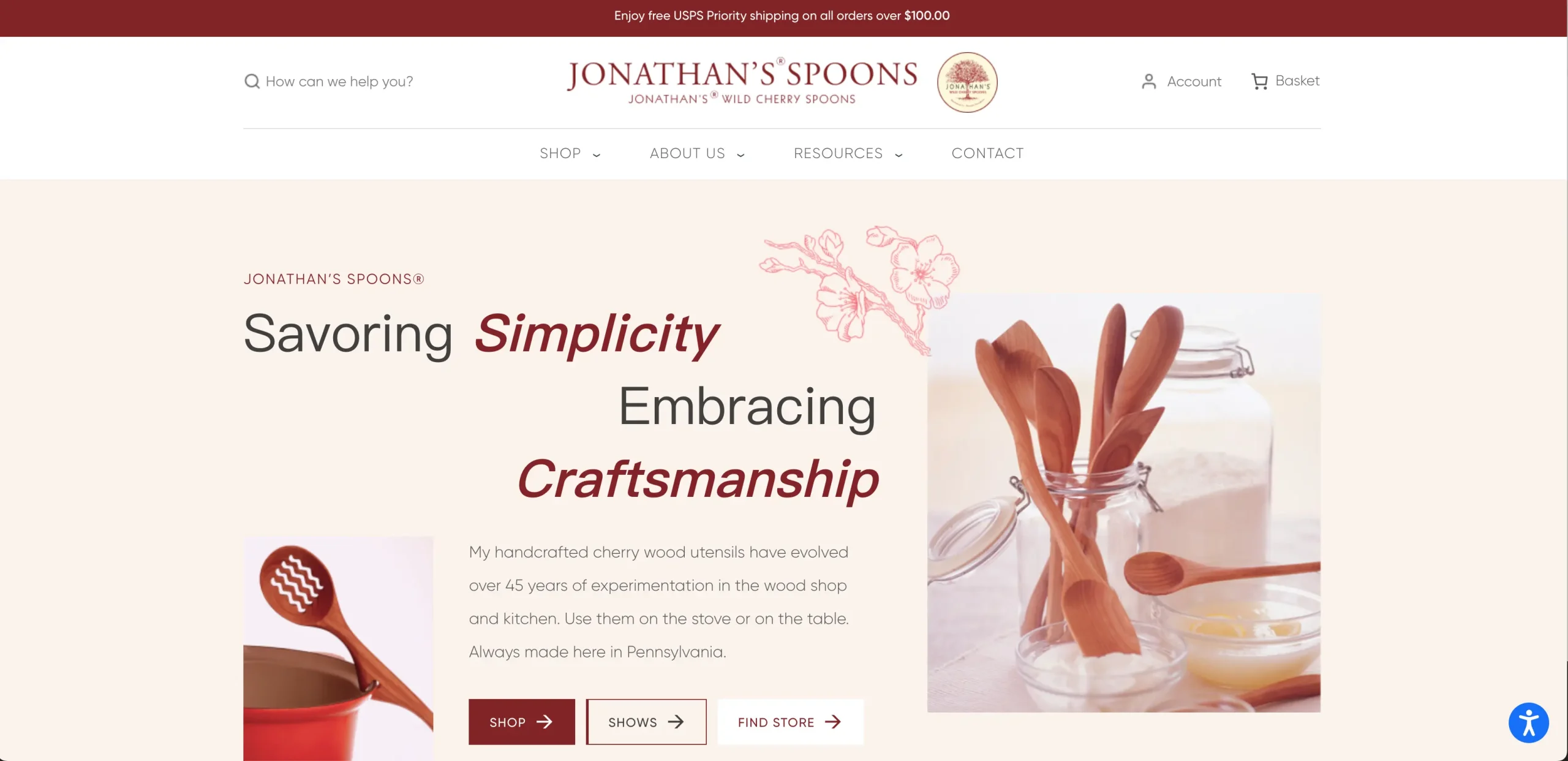
Jonathan’s Spoons offers handcrafted cherry-wood utensils made with 40+ years of craftsmanship. Beloved by cooks and reviewed highly—especially standout models like the “Spootle”—these are tools built to last and inspire.
Earlywood

Earlywood designs heirloom-quality wooden utensils in Montana. These utensils are minimalist, functional, and built to last generations. Made from premium hardwood and backed by a lifetime guarantee, they represent quality and intention in every detail.
Anzhu

Anzhu is a trusted manufacturer of disposable wooden cutlery, offering forks, spoons, knives, and customized sets designed for cafés, catering, and international buyers. Known for smooth finishes and FSC-certified birchwood, Anzhu focuses on quality control at every stage—from raw material selection to precision sanding. With competitive pricing and bulk supply options, the brand is a go-to choice for businesses seeking reliable, eco-friendly cutlery that meets both safety and sustainability standards.
Ready to Switch to Wooden Cutlery?
Wooden cutlery is more than just an eco-friendly choice—it’s a statement of quality, sustainability, and care for your customers. Whether you’re running a café, catering service, or airline, choosing the right supplier makes all the difference.
Looking for reliable, FSC-certified wooden cutlery at competitive prices? Contact us today and let’s find the best solution for your business.
FAQs
What is the best wood for cutlery?
Tight-grained hardwoods like maple, beech, olive, or walnut are best. They’re durable, resist cracking, and don’t absorb much moisture.
Do professional chefs use wooden utensils?
Yes. Many chefs use wooden spoons and spatulas because they’re gentle on cookware, heat-resistant, and comfortable for long cooking sessions.
Is wooden cutlery better?
It depends on the use. Wooden cutlery is eco-friendly, sturdy, and heat-safe, making it a better choice than plastic for both the planet and dining comfort.
Should I put mineral oil on wooden spoons?
Yes. Applying food-grade mineral oil helps protect wooden spoons from drying, cracking, and absorbing odors, extending their lifespan.


