


Bamboo cutlery is a great eco-friendly choice—but like any kitchen tool, it needs the right care to last. Cleaning it properly isn’t just about looks; it’s about hygiene, preventing mold, and keeping your spoons, forks, or knives from cracking or warping too soon.

In this guide, we’ll walk you through the simple but important steps to keep your bamboo cutlery clean and strong. From hand-washing to proper drying and regular oiling, these easy habits can help your bamboo tools stay safe, durable, and beautiful for the long haul.
Why Avoid Dishwashers & Soaking

It might be tempting to toss your bamboo cutlery into the dishwasher—but don’t! Dishwashers use high heat and strong detergents that can dry out bamboo, causing it to crack, split, or lose its smooth finish.
Soaking is no better. Leaving bamboo in water for too long can lead to swelling, warping, or even mold growth. Bamboo is a natural material that soaks up moisture quickly, so keeping it wet for extended periods weakens its structure and strips away its protective natural oils.
To keep your bamboo cutlery looking great and working well, always wash it by hand and dry it promptly.
Step-by-Step Cleaning Process
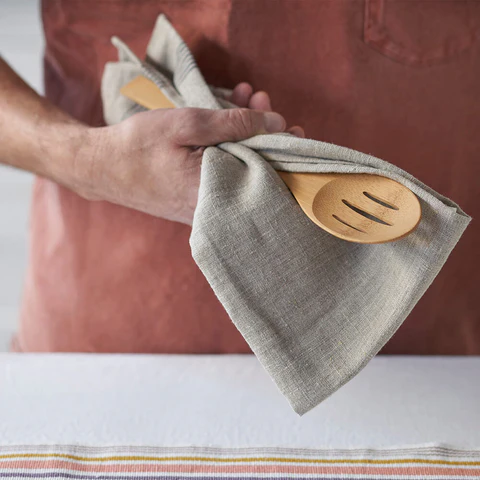
Want your bamboo cutlery to last longer and stay looking great? Here’s the right way to clean it—simple, quick, and effective.
1. Rinse Food Particles Promptly
As soon as you’re done using your bamboo spoon or fork, rinse off any food bits. This helps prevent staining and keeps odors from settling into the wood.
2. Hand-Wash with Mild Soap and Warm Water
Use a soft sponge or cloth with mild dish soap and warm water. Scrub gently—no steel wool or harsh scrubbers! They can damage the surface and shorten the cutlery’s lifespan.
3. Rinse Thoroughly and Towel Dry
Once clean, rinse off all soap under running water. Then pat the cutlery dry with a clean towel. Don’t leave it wet—excess moisture can lead to warping or mold.
4. Air-Dry Upright in a Well-Ventilated Area
After towel drying, let the cutlery air-dry completely. Stand the pieces upright in a dish rack or cup to ensure full ventilation. Proper drying keeps your bamboo safe from moisture damage and extends its life.
Natural Stain & Odor Removal
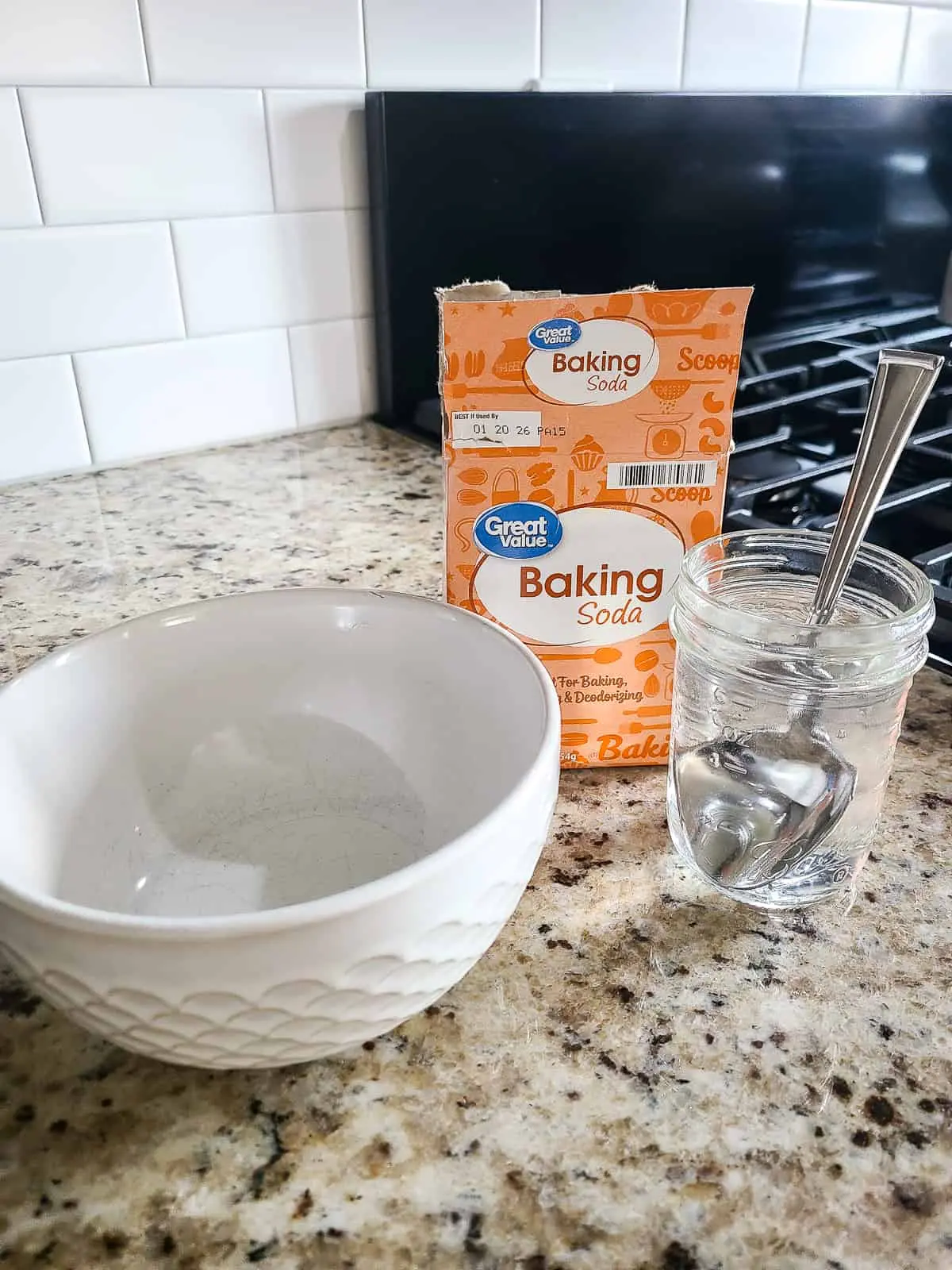
Over time, bamboo cutlery can pick up food stains or lingering odors—but don’t worry, natural fixes work wonders!
To remove stains, make a paste of baking soda and a little water. Gently scrub the surface with a soft cloth or brush.
For stubborn odors or deeper discoloration, sprinkle salt on the cutlery and rub it with half a lemon. The citric acid cuts through buildup and refreshes the wood.
Finish by wiping with a vinegar-water mix (1:1 ratio) to neutralize any remaining smells and naturally disinfect.
Oiling for Maintenance

To keep bamboo from drying out or cracking, it needs a little oil love!
Once a month, apply a thin layer of food-grade mineral oil using a soft cloth. You can also use natural alternatives like tung oil or linseed oil—but avoid cooking oils like olive or vegetable oil, as they can turn rancid over time.
Oiling helps maintain your bamboo’s smooth texture, rich color, and durability—making it last much longer.
Occasional Deep Cleaning (Boiling Method)
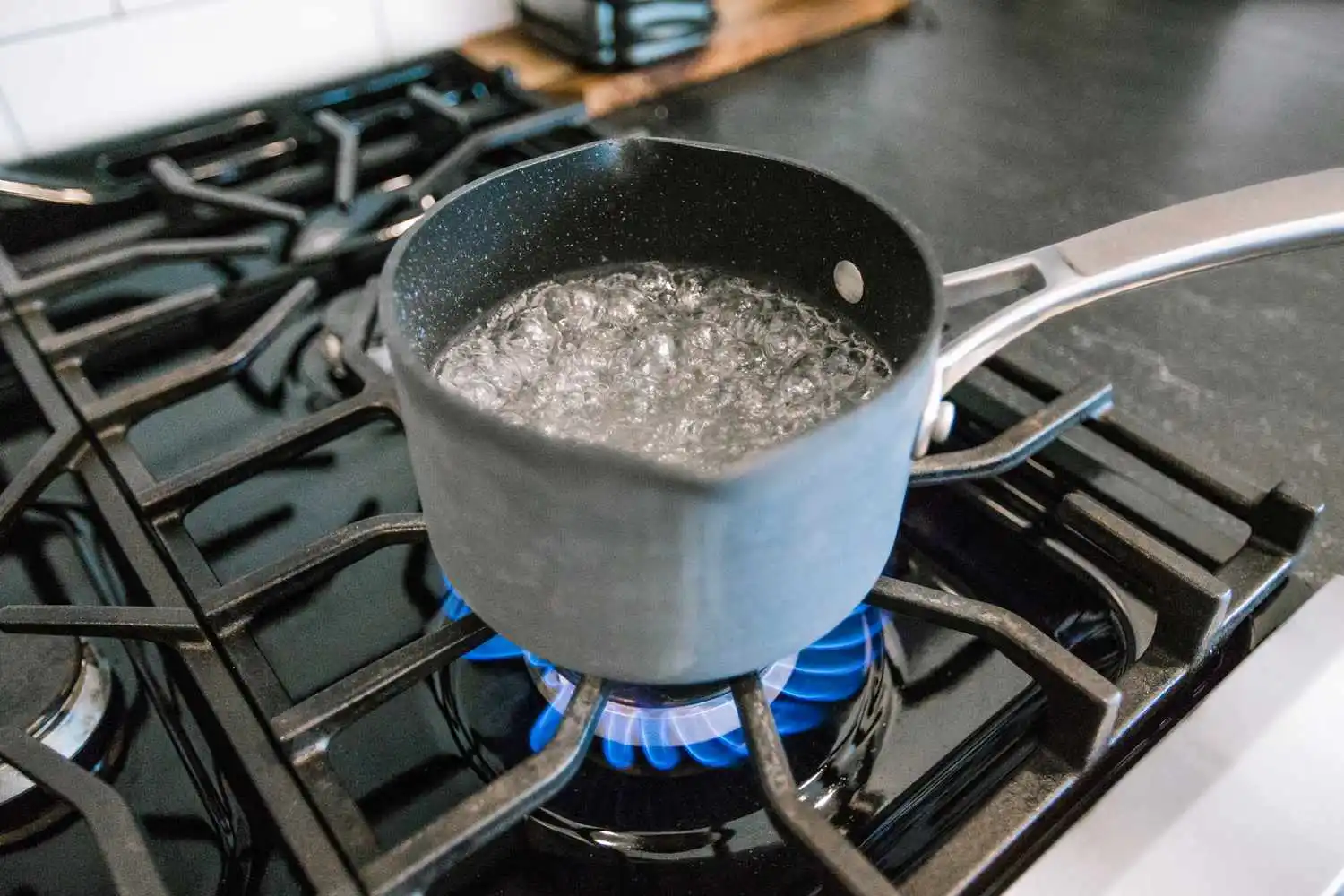
Every now and then—especially if your bamboo cutlery feels worn out—you can give it a deeper reset.
Boil the utensils in water for about 5–10 minutes to clean and sanitize them thoroughly. Once boiled, let them cool and dry completely.
Then give them a light sanding to restore the smooth surface, and finish with an oil treatment. This rejuvenates the bamboo and prevents future cracking or splintering.
Daily Care & Storage Tips

Keep your bamboo cutlery in top shape with a few simple daily habits:
Rinse right after use to prevent food from drying and sticking.
Avoid soaking—bamboo absorbs water, which can lead to warping or cracks.
Dry fully with a towel before storing to prevent mold.
Store in a cool, dry place away from kitchen steam or humidity.
Keep out of direct sunlight, which can fade and dry out the bamboo.
These small steps go a long way in extending your cutlery’s life and keeping it looking fresh.
Common Mistakes to Avoid

Even with the best intentions, certain habits can damage bamboo cutlery. Steer clear of these:
❌ Using dishwashers — high heat and harsh detergents can split or dry out bamboo.
❌ Soaking too long — waterlogged bamboo is more likely to warp or develop mildew.
❌ Scrubbing with abrasive tools — harsh scrubbers can scratch the surface and shorten lifespan.
❌ Conditioning with vegetable oil — it can spoil and create unpleasant smells or stickiness.
Stick to gentle handwashing and proper oil care, and your bamboo tools will thank you.
Conclusion
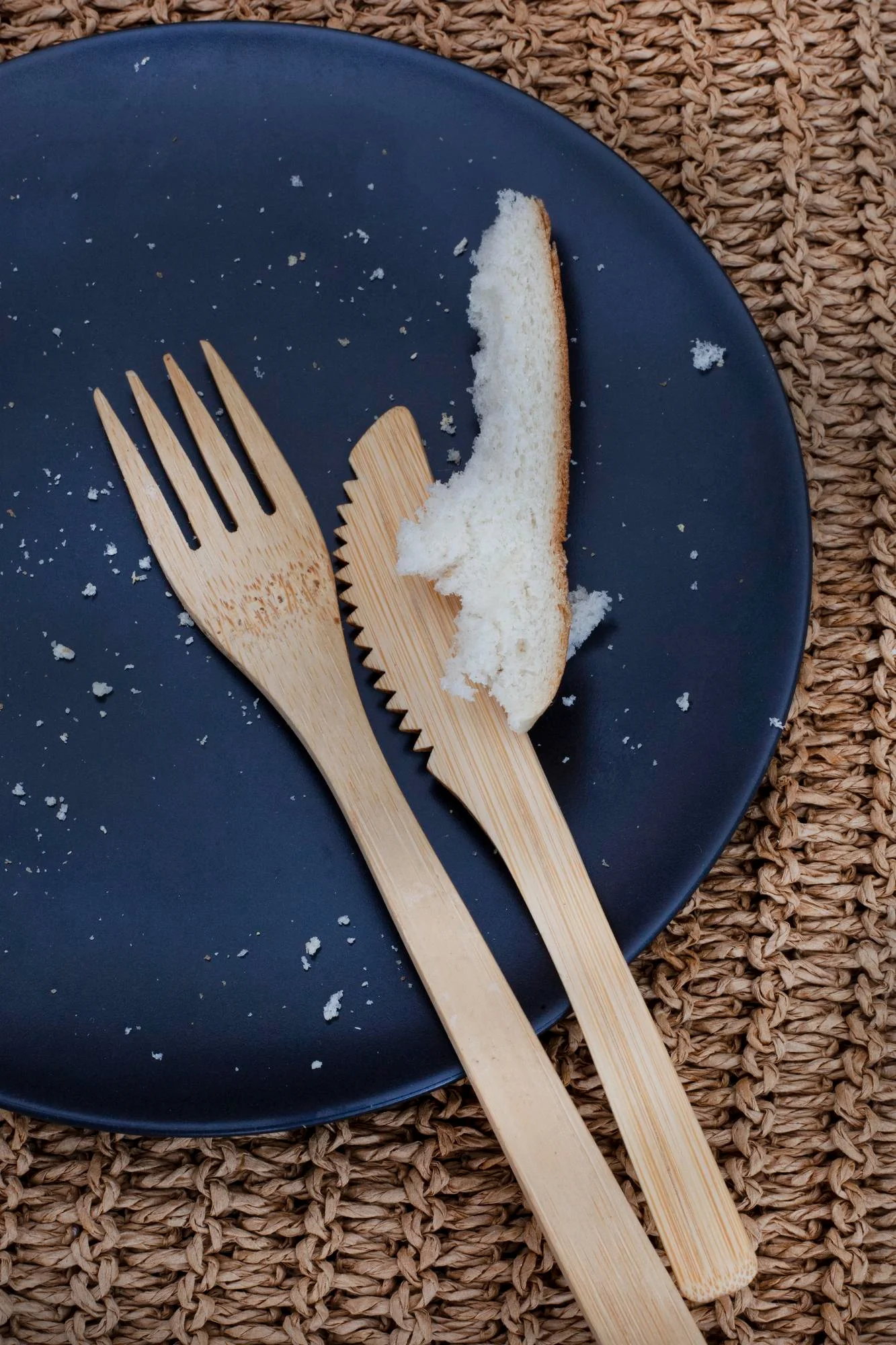
Caring for bamboo cutlery is simple and rewarding. Just remember the basics:
Rinse → Hand wash → Dry → Oil.
With regular maintenance and the right storage habits, your bamboo utensils can last for years, staying beautiful, safe, and eco-friendly.
Ready to go green with style?
Contact us to explore our sustainable bamboo cutlery sets, food-safe care oils, and eco-living tips. We’re here to help you make your kitchen more planet-friendly—one spoon at a time.
FAQs
How to deep clean bamboo cooking utensils?
Create a paste of baking soda and water or soak in a vinegar-baking soda solution for 10–20 minutes, scrub gently, rinse thoroughly, then dry and re-oil the utensils.
How to clean a bamboo kitchen utensil holder?
Wash it by hand with warm water and mild soap, rinse well, towel dry, and allow it to fully air dry upright—never soak—and optionally wipe inside with a vinegar solution to remove odor or residue.
How long does bamboo cutlery last?
Factory-made reusable bamboo cutlery typically lasts 2–3 months (about 60–90 uses), while high-quality handmade or solid bamboo utensils can endure 2 to 10+ years with proper care.
Should I oil my bamboo spoons?
Yes—monthly application of food-grade mineral or plant-based oils (not cooking oils) helps prevent drying, cracking, and extends the lifespan of your bamboo utensils.


