


Who Should Choose Bamboo Cutlery

If you’re wondering whether bamboo cutlery is the right choice for you, here’s the short answer.
Bamboo is a great fit if:
You cook with nonstick cookware and need utensils that won’t scratch.
You want lightweight travel kits or picnic sets that are easy to carry.
You’re hosting events or catering and want a natural, eco-friendly look without contributing to microplastic waste.
Bamboo may not be ideal if:
You prefer dishwasher-safe utensils—bamboo requires hand-washing and drying.
You need tools for heavy-duty, long-term commercial use; materials like stainless steel or hardwood usually last longer in those settings.
👉 In short: Choose bamboo for casual, eco-conscious use and a natural style. Stick to wood or steel if you need maximum durability and low maintenance.
What Bamboo Cutlery Is (and What It Isn’t)

Not all “bamboo” products are created equal. To make sure you’re choosing safe and sustainable utensils, it’s important to understand the difference.
Solid Bamboo Utensils
True bamboo cutlery is made from carved or laminated bamboo, often finished with a light coat of food-safe oil or wax to protect the surface. These pieces are lightweight, smooth, and naturally durable when cared for properly. They’re safe for everyday dining and won’t scratch your pots or pans.
Bamboo + Plastic Composites
On the other hand, many products marketed as “bamboo fiber” cutlery are actually a blend of bamboo powder mixed with plastic resins (like melamine). These are not the same as 100% bamboo. In fact:
The EU has ruled bamboo powder an unauthorised additive in plastics, making these items non-compliant for sale.
The UK Food Standards Agency (FSA) has also warned against selling or using bamboo-plastic composites, citing food safety concerns.
👉 Bottom line: Stick with 100% bamboo utensils and avoid anything labeled as bamboo fiber + melamine. Pure bamboo is the safer, compliant, and more eco-friendly option.
Pros & Cons at a Glance
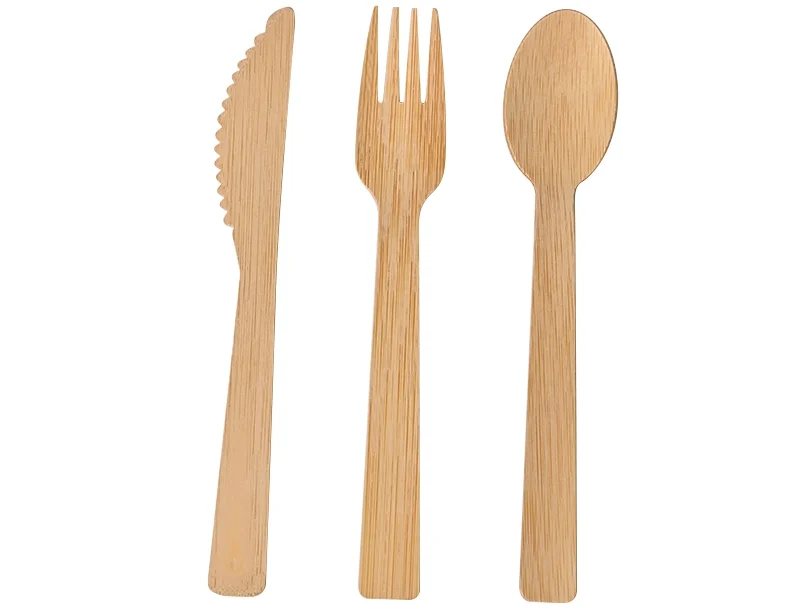
Like every material, bamboo cutlery comes with its strengths and weaknesses. Here’s what you should know before choosing it for your kitchen or events.
Pros of Bamboo Cutlery
Lightweight and easy to carry – perfect for picnics, travel kits, or packed lunches.
Won’t scratch pans – gentle on nonstick cookware and safe for everyday use.
Heat-tolerant – works well for stirring hot foods and serving warm dishes.
Renewable resource – bamboo grows quickly, making it a sustainable alternative to plastic.
Cons of Bamboo Cutlery
Not dishwasher-safe – exposure to high heat and water can damage the fibers.
Prone to drying or warping – especially if left soaking; needs occasional oiling.
Shorter lifespan than metal – while durable for everyday use, it won’t last as long as stainless steel or hardwood utensils.
👉 Bottom line: Bamboo cutlery is a sustainable, lightweight choice for daily or casual use, but it requires hand care and won’t outlast metal in the long run.
Safety & Compliance (EU/UK/General)

When it comes to bamboo cutlery, not everything labeled “eco-friendly” is actually safe or legal. Regulations in the EU and UK draw a sharp line between 100% bamboo woodware and bamboo-plastic composites.
EU Enforcement
The European Commission and food safety authorities have flagged bamboo-powder plastic tableware as a risk. These products often mix bamboo powder with melamine-formaldehyde resins, which can release harmful substances into food. Retailers across the EU have been told to withdraw such goods from the market. Pure bamboo woodware, however, is treated differently and may remain available when it complies with food-contact standards.
UK Guidance
The UK Food Standards Agency (FSA) and Food Standards Scotland (FSS) have also issued warnings. Businesses are instructed not to sell or use plastic containers or utensils containing bamboo additives, since they carry the same risks as melamine composites. If you’re sourcing cutlery, always request a supplier food-contact declaration to ensure the product is genuinely 100% bamboo and compliant with safety standards.
👉 Bottom line: Stick with pure bamboo cutlery from transparent suppliers. Avoid bamboo-plastic composites, which face bans in the EU and UK due to food safety concerns.
Care & Maintenance: Maximize Lifespan

Bamboo cutlery can last much longer when it’s cared for properly. Here are the key steps to keep your utensils safe, clean, and in good shape:
Hand-wash only
Use mild soap and warm water right after use. Avoid strong detergents or scouring pads that can wear down the surface.Quick dry
Pat dry with a towel and store upright. Never leave bamboo utensils soaking in water, as this can cause swelling or warping.No dishwasher
The heat and moisture cycle in dishwashers can split, crack, or dull bamboo fibers, drastically shortening their life.Re-oil regularly
Once a month, apply a thin coat of food-grade mineral oil or bamboo-safe wax. This keeps fibers hydrated, prevents drying, and adds a natural protective finish.Inspect & replace
Check utensils regularly. If they develop cracks, splinters, or rough spots, it’s time to replace them to avoid safety issues.
👉 Bottom line: Gentle washing, quick drying, and regular oiling will extend the lifespan of bamboo cutlery while keeping it safe to use.
End-of-Life & Composting
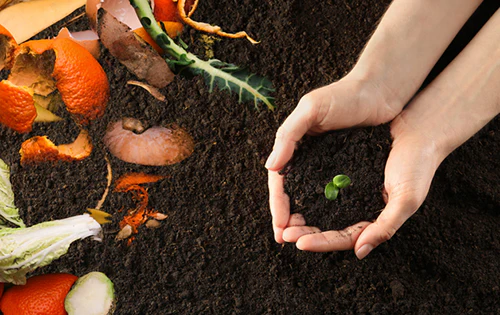
One of the biggest benefits of bamboo cutlery is that it’s made from a natural material, which means it can return to the earth at the end of its life. 100% bamboo utensils are compostable, breaking down much like other organic matter. To help the process along, you can cut or break the utensils into smaller pieces before adding them to compost. This increases the surface area and speeds up decomposition.
That said, acceptance depends on where you live. Some municipal composting programs don’t take wooden or bamboo items, while others accept them only if shredded. It’s also important not to confuse bamboo with “compostable plastics,” which many cities specifically exclude from their green bins. Because rules vary widely, the safest approach is to check your local composting guidelines before disposing of bamboo cutlery.
👉 In short: bamboo cutlery can go back to the soil, but always confirm how your local waste system handles it.
Performance vs Other Materials
| Attribute | Bamboo | Plastic | Stainless Steel | Teak / Other Hardwoods | Silicone |
|---|---|---|---|---|---|
| Material | Natural bamboo (100% woodware; no plastic binder) | Petro/bioplastic polymers | Food-grade metal alloy | Solid hardwood (e.g., teak, walnut) | Food-grade elastomer |
| Heat Tolerance | Good for cooking; avoid prolonged high heat | Varies by resin; can deform at high heat | Excellent; ideal for searing/high-heat tasks | Good; better than bamboo for hot, oily tasks | Excellent; handles high heat well |
| Dishwasher Safe | No — hand-wash only | Usually yes (check max temp) | Yes | No — hand-wash; re-oil | Yes |
| Cookware Friendliness | Very gentle on nonstick & enamel | Gentle, but may nick over time | Can scratch nonstick if careless | Gentle; similar to bamboo | Very gentle and flexible |
| Durability / Lifespan | Moderate; needs oiling; avoid soaking | Moderate; can warp/melt with heat | Excellent; decades with minimal care | High; resists warping when oiled | High; long-lasting if quality grade |
| Maintenance Needed | Hand-wash, quick dry, oil monthly | Low; dishwasher usually OK | Low; dishwasher safe | Hand-wash; oil regularly | Low; dishwasher safe |
| Sustainability / Footprint | Renewable, compostable end-of-life (check local rules) | Mixed; potential microplastics; recycling varies | Very long life reduces replacements | Renewable; long-lasting with care | Durable; inert; long service life |
| Typical Cost (Relative) | $ — $$ (affordable sets) | $ (lowest upfront) | $$$ (premium, long-term value) | $$ — $$$ (species dependent) | $$ (quality brands vary) |
| Best Use Cases | Nonstick cooking, travel kits, casual dining, events | Low-cost, disposable or dishwasher-heavy settings | Pro kitchens, high-heat searing, longevity needs | Home cooking, serving, natural aesthetic | High-heat cooking, nonstick protection, easy cleanup |
| Key Drawbacks | Not dishwasher-safe; can dry/warp; shorter life than metal | Heat sensitivity; sustainability trade-offs; potential microplastics | Can scratch delicate coatings; higher upfront cost | Needs oiling; not dishwasher-safe; can absorb odors if neglected | Soft/too flexible for some tasks; can retain odors if not cleaned well |
Choosing cutlery isn’t just about looks—it’s about how it performs day after day. Bamboo has some unique advantages, but how does it stack up against other common materials?
Bamboo vs Plastic

Bamboo offers a big win here. Unlike plastic, it doesn’t shed microplastics into food or the environment. It’s also gentler on cookware, especially nonstick pans, so you won’t end up with scratched surfaces. Plastic might last longer in the dishwasher, but it comes at the cost of sustainability and potential health concerns.
Bamboo vs Stainless Steel

Stainless steel is the durability champion. It can last for decades, handle high heat, and go straight into the dishwasher. Bamboo, by contrast, has a shorter lifespan and needs hand care. But bamboo is lighter, quieter on cookware, and offers a more natural dining feel.
Bamboo vs Teak and Other Hardwoods
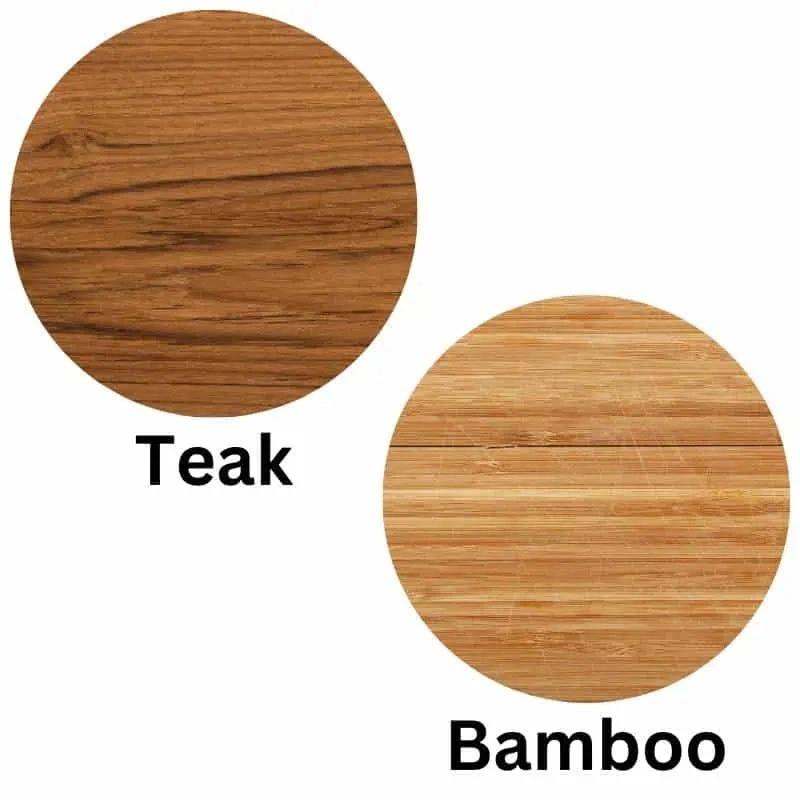
Hardwoods like teak, walnut, or cherry are known for resisting warping and lasting longer than bamboo when properly oiled. They share bamboo’s natural look and gentle touch but often cost more. Bamboo wins on being lighter and faster-growing, making it more renewable.
Bamboo vs Silicone

Silicone excels in high-heat cooking and is completely dishwasher-safe. It’s flexible, durable, and great for nonstick pans. Bamboo, however, provides a sturdier, more traditional utensil feel. The choice often comes down to whether you prefer the soft bend of silicone or the firm, natural grip of bamboo.
👉 Bottom line: Bamboo sits between plastic and premium woods/steel—lighter and more sustainable than plastic, gentler than steel, but less durable than hardwoods or silicone. Choose based on your cooking style and how much care you’re willing to give.
Buying Checklist: Quality Signals to Look For
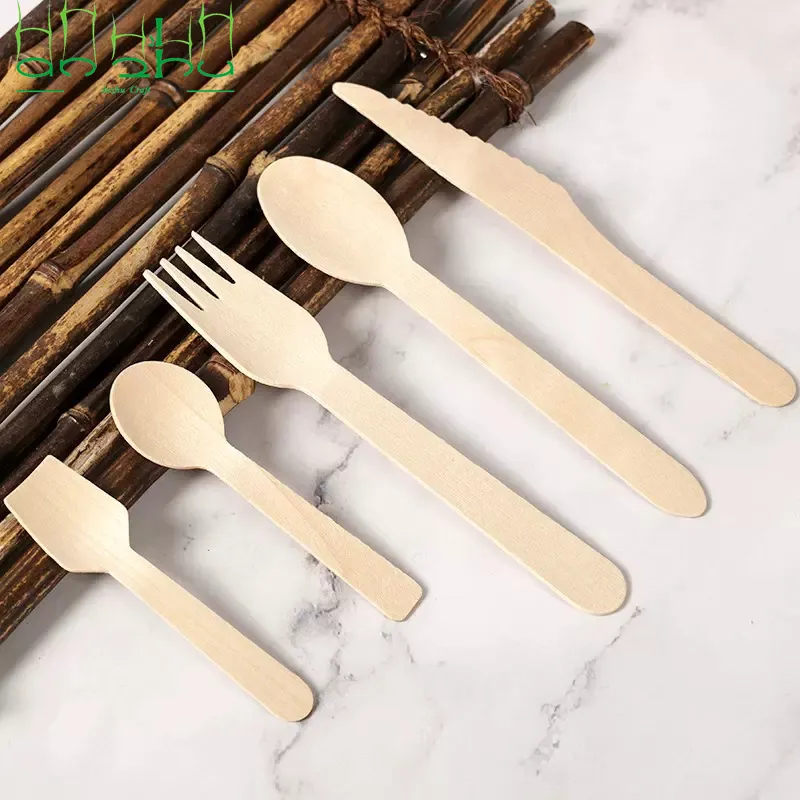
Not all bamboo cutlery is made equal. To make sure you’re getting safe, durable, and eco-friendly utensils, here are the key quality signals worth checking before you buy:
100% Bamboo Construction
Choose utensils made from pure bamboo, not “bamboo fiber” plastics mixed with melamine. True bamboo feels natural, has visible grain, and avoids the health and compliance issues tied to composites. Look for a smooth, splinter-free finish that’s comfortable in the hand.
Food-Contact Documentation
Reputable suppliers should provide food-contact safety declarations. Quality bamboo cutlery is finished with a light oil or wax coating to protect the fibers, not with melamine or synthetic resins. If a product doesn’t come with clear documentation, it’s better to skip it.
Ergonomics & Heat Safety
Well-made bamboo cutlery should feel sturdy, not flimsy. Check that fork tines and spoon bowls are thick enough to handle real use without snapping. For cooking utensils, make sure they’re heat-safe so they won’t warp while stirring hot dishes.
Responsible Sourcing & Packaging
Look for brands that share details about their sourcing—such as FSC-style certification or similar commitments to responsible forestry. Packaging should also match the eco-friendly ethos, ideally plastic-free, with recyclable or compostable wraps instead of plastic windows.
👉 Bottom line: A trustworthy supplier will be transparent about materials, finishes, and sourcing. If you see clear documentation and careful craftsmanship, you’re on the right track.
Use Cases & Sets

Bamboo cutlery isn’t one-size-fits-all—it works best in certain contexts. Here are some popular ways people use it:
Travel Kits
Compact bamboo cutlery sets often include a fork, spoon, knife, chopsticks, straw, and straw cleaner, all tucked neatly into a reusable case. They’re lightweight and easy to slip into a backpack, lunch bag, or suitcase.Event Service
For weddings, parties, or catering, bamboo cutlery offers a natural look while reducing single-use plastic waste. Many venues now use them on a request-only basis to avoid unnecessary waste. They pair well with paper or reusable cups for a cohesive eco-friendly setup.Restaurant Back-of-House
Bamboo spoons, spatulas, and turners are ideal for nonstick cookware, since they won’t scratch delicate coatings. For tasks that involve very high heat or heavy-duty searing, chefs often swap to stainless steel tools for durability and safety.
Common Myths

A few misconceptions about bamboo cutlery often lead to confusion. Let’s clear them up:
“Bamboo is naturally antibacterial.”
While bamboo does have some natural resistance to microbes, there’s no exemption for food-contact safety. Proper cleaning and care are still essential for hygiene.“Dishwasher is fine.”
It’s not. The high heat and prolonged water exposure in dishwashers can damage bamboo fibers, leading to cracks, warping, or splinters. The best care is still hand-washing and quick drying.
👉 Bottom line: Bamboo cutlery is versatile and eco-friendly, but myths aside, it still requires thoughtful use and care.
Recommended Bamboo Cutlery Brands
Looking for trusted brands that combine sustainability, safety, and quality? Here are top picks based on eco-credentials and product integrity:
World Centric

This brand uses FSC-certified bamboo to make durable, reusable utensils that are PFAS-free and commercially compostable. Their cutlery is widely used for events, food service, and everyday eco-conscious dining. A bonus: 25% of their profits support environmental and social projects.
Holy City Straw Company
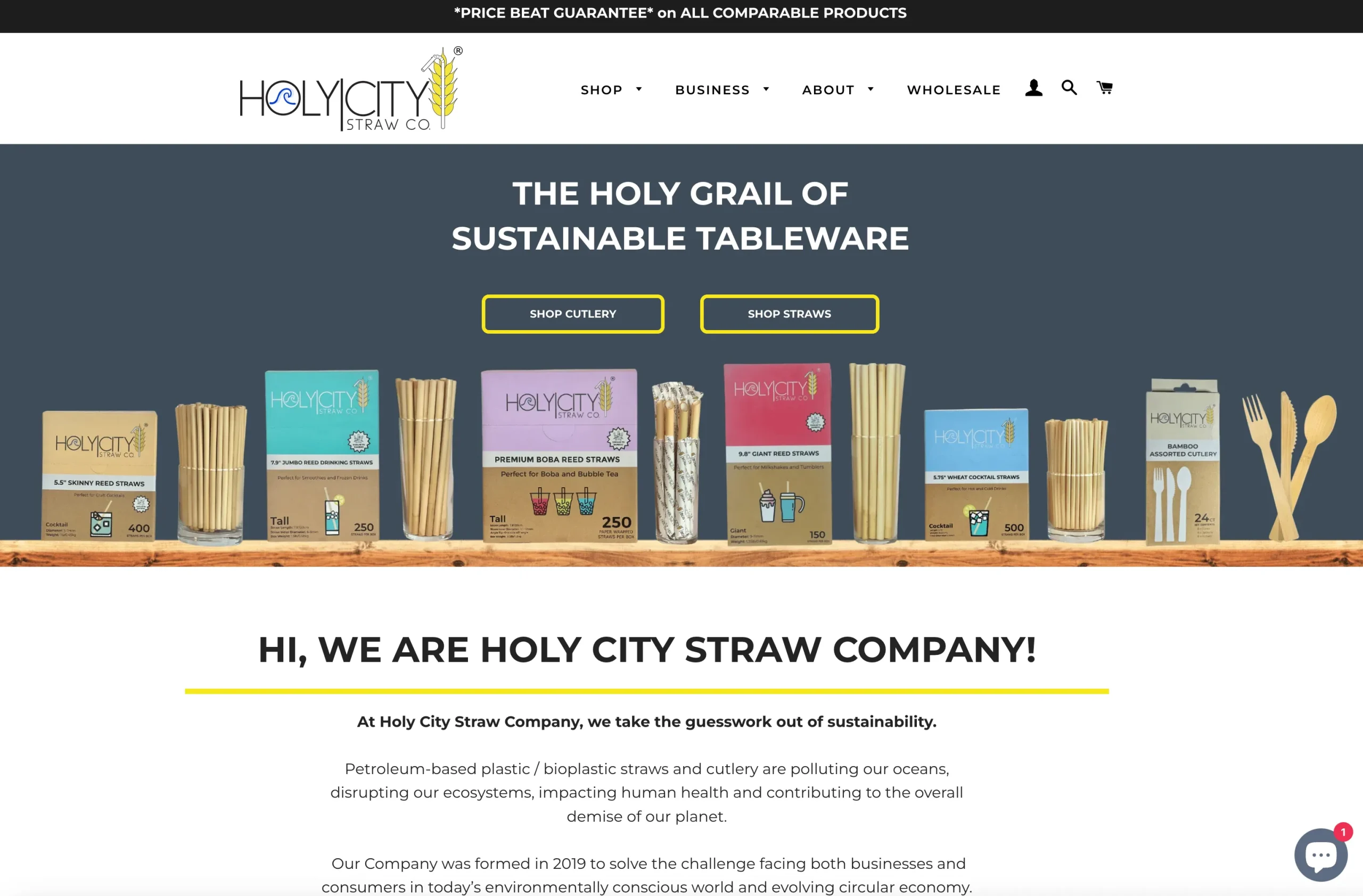
An eco-focused U.S. manufacturer offering a wide range of disposable bamboo tableware—from flatware to plates and chopsticks. Their products are compostable and designed for catering, take-out, and events.
Ancheng (China)

One of the largest global suppliers of disposable bamboo cutlery and tableware. Known for high output and strong sustainability messaging, Ancheng serves markets across the U.S., Europe, and beyond.
Anzhu

Established in 2008, Anzhu is a large-scale manufacturer offering premium eco-friendly bamboo cutlery, backed by certifications including FSC, FDA, BRC A+, BSCI, and custom OEM/ODM capabilities. Trusted by brands like KFC, ALDI, and METRO.
Ready to Go Green with Bamboo Cutlery?

Switching to bamboo cutlery is more than just a style choice—it’s a step toward a cleaner, healthier planet. Whether you’re sourcing for a restaurant, planning an event, or looking for branded eco-kits, the right bamboo products make all the difference.
Have questions or need bulk supply options? Contact us today and our team will help you choose safe, sustainable, and stylish bamboo cutlery for your needs.
FAQs About Bamboo Cutlery
Is bamboo good for cutlery?
Yes—bamboo is a great option for everyday cutlery. It’s strong, lightweight, heat-resistant, and eco-friendly. Plus, it won’t scratch your nonstick cookware.
What are the disadvantages of bamboo utensils?
They absorb moisture easily, which can lead to warping, cracking, mold, and a shorter lifespan compared to metal—especially if not cared for properly.
How to take care of bamboo cutlery?
Always hand-wash with mild soap and warm water, then air-dry immediately. Avoid soaking or using a dishwasher. Monthly re-oiling keeps bamboo from drying out, warping, and cracking.
Are you supposed to oil bamboo utensils?
Yes, you should oil bamboo utensils regularly—about once a month. It helps retain moisture, prevents cracks, and creates a barrier against germs. Use food-safe oils formulated for wood or bamboo.


