


Plastic cutlery is everywhere in our daily lives. We get it with takeout meals, fast-food orders, office lunches, parties, and big events. It feels light, cheap, and easy to use. Many people take it without thinking because it seems so convenient. However, this “convenience” hides a very high environmental cost.
Every fork, spoon, and knife made from plastic creates problems that last for many years. Once we throw them away, they do not simply disappear. Instead, they stay in the environment, break into tiny pieces, harm wildlife, and even return to our bodies through the food we eat. As we look closer, we discover that plastic cutlery affects the planet far more than most people realize.
In this article, we will explore why plastic cutlery is bad for the environment. We will look at how it is made, why it does not break down, how it harms animals, and how it pollutes our land and oceans. We will also learn how it may affect our health. Most importantly, we will discover better and greener options that can help protect our planet.
1. The Problems in Plastic Cutlery Production
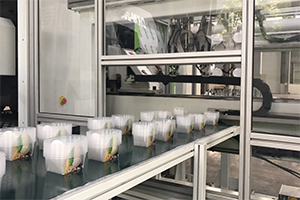
Plastic cutlery starts causing harm long before it reaches our hands. To make these items, factories use raw materials such as oil and natural gas. These are non-renewable resources, which means we cannot replace them once we use them up. Every new plastic fork or spoon uses a little more of the planet’s limited supply.
Furthermore, the production process uses a lot of energy. Factories must heat, melt, and shape the plastic. This creates large amounts of carbon emissions, which add to global warming. As the world becomes hotter, we face more extreme weather, rising sea levels, and other environmental challenges.
In addition, plastic production releases harmful chemicals into the air and water. These chemicals can damage nearby ecosystems and affect the health of people who live close to manufacturing plants. When millions of pieces of plastic cutlery are produced every day, the total impact becomes huge.
Because of all these reasons, the environmental cost of making plastic cutlery is far higher than many people think. And this is only the beginning of the problem.
2. Hard to Break Down
Once plastic cutlery is made and used, it enters an even longer problem cycle. Plastic does not break down quickly. In fact, a single plastic fork can stay in the environment for hundreds of years. It does not rot like food, paper, or wood. Instead, it sits in landfills, beaches, rivers, and forests for a very long time.
Even worse, plastic breaks into tiny pieces called microplastics. These pieces are so small that we can barely see them. However, they spread everywhere—into the soil, water, and even the air. Microplastics can travel long distances and are almost impossible to clean up.
Because plastic cutlery is so light, the wind can easily blow it into rivers and oceans. It may look harmless, but once it reaches nature, it stays there and continues to cause damage for generations. This long life makes plastic cutlery one of the most stubborn types of waste in the world.
3. Threats to Wildlife
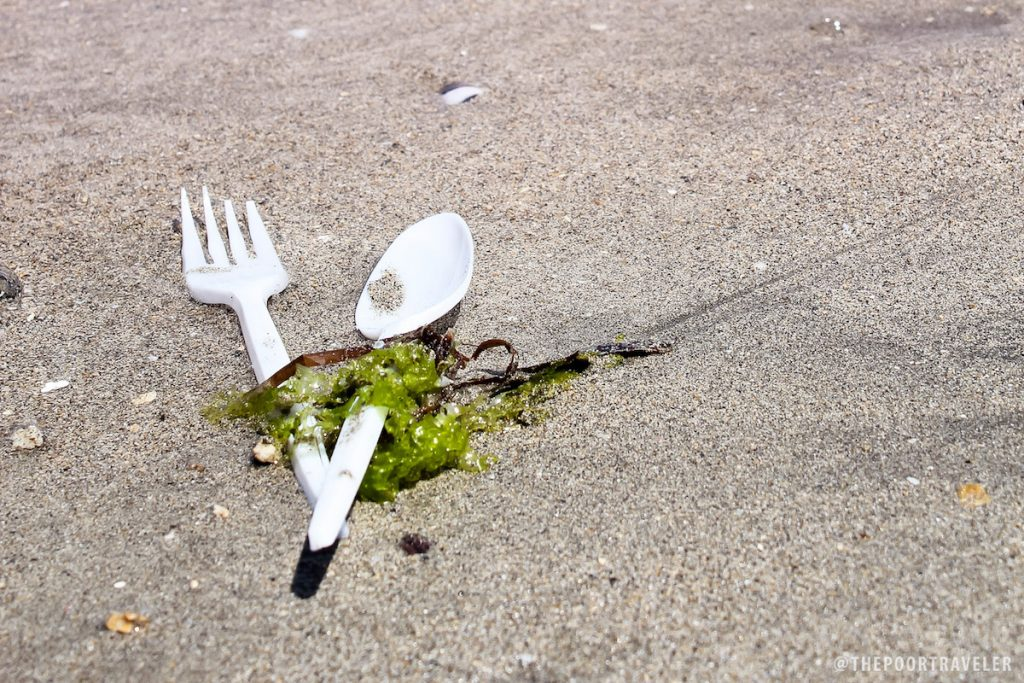
Plastic cutlery harms many animals, especially those living in the ocean. Fish, turtles, and seabirds often mistake small pieces of plastic for food. When they eat plastic, it fills their stomachs and makes them feel full, even though they get no nutrition. Many animals die because they cannot eat real food anymore.
Animals can also get trapped or tangled in plastic waste. A simple plastic spoon or a broken fork can wrap around a bird’s legs or a turtle’s neck. This can cause injuries or even death.
Microplastics create another serious problem. Tiny sea creatures eat them first. Then bigger animals eat those creatures. As a result, the plastic moves up the food chain. Scientists have even found plastic inside large fish, dolphins, and whales.
Every year, researchers report many cases of wildlife harmed by plastic waste. These examples remind us that something as small as a disposable fork can cause great suffering in nature.
4. Pollution Problems
Plastic cutlery adds to pollution in many ways. First, it puts a heavy load on landfills. Since plastic does not break down quickly, it stays buried for hundreds of years. As more and more plastic piles up, landfills grow larger and take up valuable space that could be used for parks, homes, or nature.
Plastic cutlery also often ends up in oceans, rivers, and lakes. Strong winds, rain, and storms easily move these light items from trash bins into waterways. Once plastic enters the ocean, it spreads everywhere. It floats on the surface, sinks to the bottom, or washes onto beaches. This makes clean-up extremely difficult.
In addition, plastic pollution affects soil and groundwater. When plastic sits in landfills or breaks apart outside, it can release chemicals into the ground. Over time, these chemicals may mix with rainwater and flow into underground water sources. This can harm plants, animals, and even people who rely on that water.
Another big problem is that plastic cutlery is almost never recycled. Many recycling centers cannot process small items like forks and spoons because they get stuck in machines. As a result, most plastic cutlery goes straight to the trash, even if people place it in recycling bins.
All these issues show how plastic cutlery creates pollution from the moment we throw it away.
5. Possible Health Risks to Humans
Plastic cutlery does not only harm nature—it may also affect our health. Some plastics contain chemicals like BPA or phthalates. When plastic touches hot or oily food, small amounts of these chemicals can move into the food we eat. Over time, this may affect hormones and cause other health concerns.
Microplastics also create hidden risks. Since they enter the food chain, they can eventually reach our plates. Scientists have found microplastics in salt, seafood, drinking water, and even the air. Although research is still ongoing, many studies suggest that microplastics can cause inflammation and may affect our organs.
As plastic pollution grows, the chances of humans being exposed to these harmful substances increase. This is another reason why reducing plastic cutlery is important—not just for the planet, but also for our own well-being.
6. Better and Greener Alternatives

There are many better choices than plastic cutlery, and two of the best options are bamboo cutlery and wooden cutlery. These materials come from nature, and they return to nature much more easily than plastic.
Bamboo cutlery is one of the most eco-friendly choices. Bamboo grows very fast, sometimes almost a meter in one day. This means we can harvest it without harming forests. Bamboo also does not need pesticides or much water, so growing it is gentle on the environment. After using bamboo forks, spoons, or knives, they break down naturally. They do not sit in landfills for hundreds of years, and they do not create microplastics.
Wooden cutlery is another great alternative. Wood comes from trees, and when it is taken from well-managed forests, it is a renewable resource. Wooden utensils are strong, safe, and biodegradable. They also come from simple processing methods that create less pollution than plastic production. When wooden cutlery breaks down, it turns into organic matter that can support healthy soil.
Both bamboo and wooden cutlery give us a clean and natural option for meals. They help reduce waste, cut carbon emissions, and protect wildlife from plastic pollution. By choosing these greener materials, we support a healthier planet.
People and businesses can make a big difference by switching to bamboo or wooden cutlery. Restaurants can offer them for takeout orders. Event organizers can use them for parties or outdoor gatherings. Families can keep some at home for picnics or daily meals. Every time we choose bamboo or wood instead of plastic, we help reduce long-term damage to the Earth.
Conclusion
Plastic cutlery may seem small and convenient, but its impact on the environment is huge. It uses valuable resources, creates pollution during production, and stays in nature for hundreds of years. It harms animals, pollutes land and water, and may even affect our health. All these problems show that using plastic cutlery comes at a high cost.
However, we can make a difference. By choosing reusable or biodegradable options, we protect the planet and keep our communities cleaner. Every fork and spoon we avoid using helps reduce waste. Together, we can build a healthier and greener future—one simple choice at a time.
Join the Eco-friendly Business with Anzhu

Ready to make a real difference for the planet? Choose Anzhu’s biodegradable bamboo and wooden tableware and help build a greener future. Since 2008, we’ve focused on combining modern technology with high-quality natural materials to create eco-friendly products you can trust.
Join the movement today! Reach out to us to explore our sustainable product line and start a cleaner, greener lifestyle with Anzhu.


