


Today’s travelers care about more than just soft pillows and free Wi-Fi — they care about the planet. As sustainability becomes a top priority for guests around the world, hotels are rethinking what “comfort” really means. Eco-friendly hotel amenities are no longer a bonus — they’re a basic expectation for many conscious consumers.

From refillable shampoo dispensers to compostable packaging and energy-saving lighting, the little details inside a hotel room now say a lot about a brand’s values. Going green isn’t just good for the environment — it also helps hotels reduce costs, boost their reputation, and stand out in a competitive market.
Why Hotels Are Going Green: Benefits & Business Sense

Eco-friendly amenities are more than a trend — they’re a smart, future-focused business move. Here’s why:
Environmental Impact: Reduces waste, energy, and water usage with upgrades like LED lights, refillable dispensers, and low-flow fixtures.
Cost Savings: Cuts costs on disposables, waste removal, and utilities. Many green changes pay for themselves over time.
Guest Appeal: Attracts eco-conscious travelers who prioritize sustainability when booking.
Brand Boost: Enhances brand image and guest loyalty by aligning with values guests care about.
Positive PR: Guests share their experiences, helping hotels stand out online and build reputation.
Sustainable changes deliver real value — for the planet, the guests, and the bottom line.
Popular & Effective Eco-Friendly Amenities in 2026
Hotels everywhere are stepping up their sustainability game — and in 2026, eco-friendly amenities aren’t just a trend, they’re a must. These small, smart upgrades not only reduce waste and save energy, but also show guests that your property cares about the environment.
Here are some of the most effective and guest-approved green amenities being used today:
1. Refillable Toiletry Dispensers

Say goodbye to single-use plastic bottles. More hotels are switching to refillable shampoo, conditioner, and body wash dispensers. They reduce plastic waste, lower restocking costs, and are easier for staff to maintain. Plus, they look sleek in the shower and help build a more eco-conscious brand image.
2. Biodegradable & Compostable Guest Essentials

Traditional hotel kits often contain plastic-packed items that get tossed after one use. Now, hotels are offering biodegradable toothbrushes, wooden cutlery, recycled paper goods, and compostable amenity kits. These alternatives not only reduce landfill waste but also feel more thoughtful and natural for the guest.
3. Energy-Efficient Lighting & Smart Controls

Lighting makes a big impact on energy bills. Replacing old bulbs with LED lighting cuts power use dramatically. Even better, many hotels now use motion-sensor lights in hallways and restrooms, or smart HVAC systems that adjust automatically when rooms are vacant — saving energy without sacrificing comfort.
4. Water-Saving Fixtures

Bathrooms are a big source of water waste. Eco-friendly hotels now use low-flow showerheads, dual-flush toilets, faucet aerators, and even greywater systems that reuse water for non-drinking purposes. These changes can cut water use by up to 30% while still delivering a satisfying guest experience.
5. Sustainable Linens & Bedding

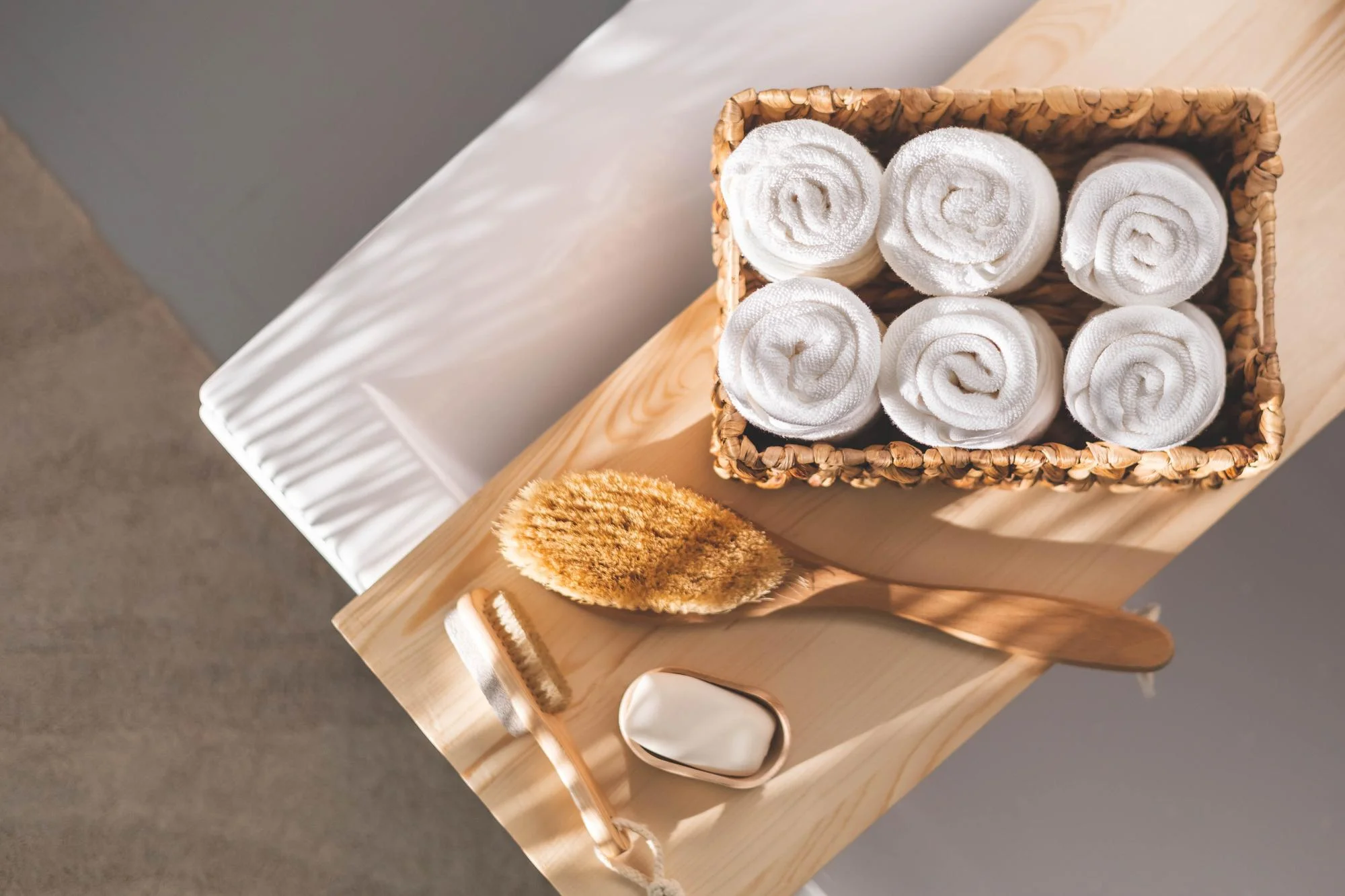
Luxury can still be green. Many modern hotels are choosing organic cotton, bamboo, or recycled material linens for sheets, towels, and robes. These fabrics are soft, safe, and better for the planet. Even offering guests the option to reuse towels helps reduce water and energy use during laundry cycles.
6. Digital Room Guides & Paperless Check-In

Many hotels are ditching printed brochures, menus, and welcome packets in favor of QR-code-based digital room guides and mobile apps. These reduce paper waste and allow for real-time updates. Paperless check-in/check-out also saves resources while offering a seamless guest experience.
7. Bulk Beverage Stations & Filtered Water Refills
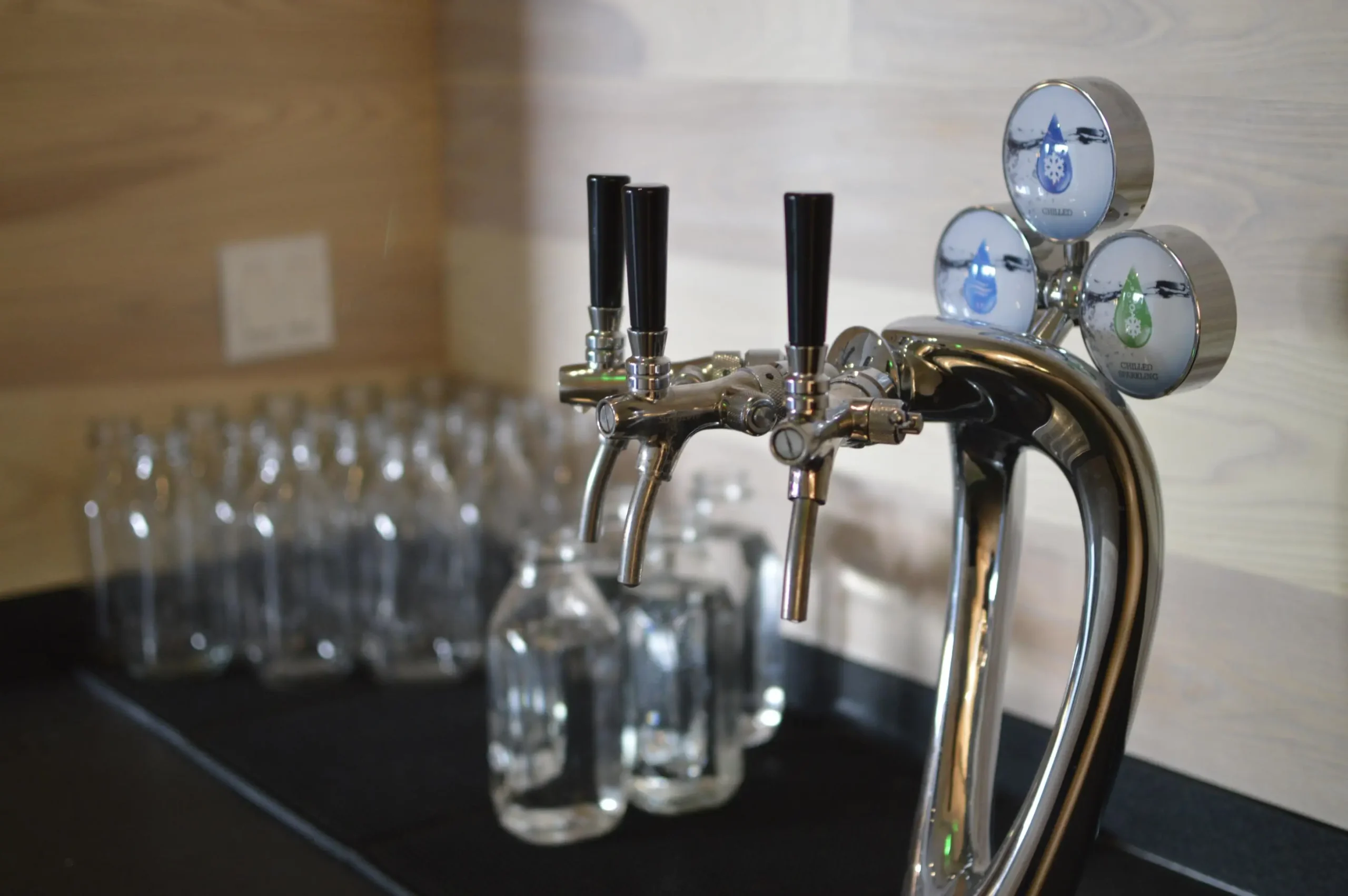
Instead of handing out single-use plastic water bottles or mini bar beverages, sustainable hotels are offering refillable glass bottles in rooms and filtered water refill stations in hallways. Bulk coffee and tea stations in lobbies reduce packaging waste and invite social interaction.
8. In-Room Recycling & Compost Bins
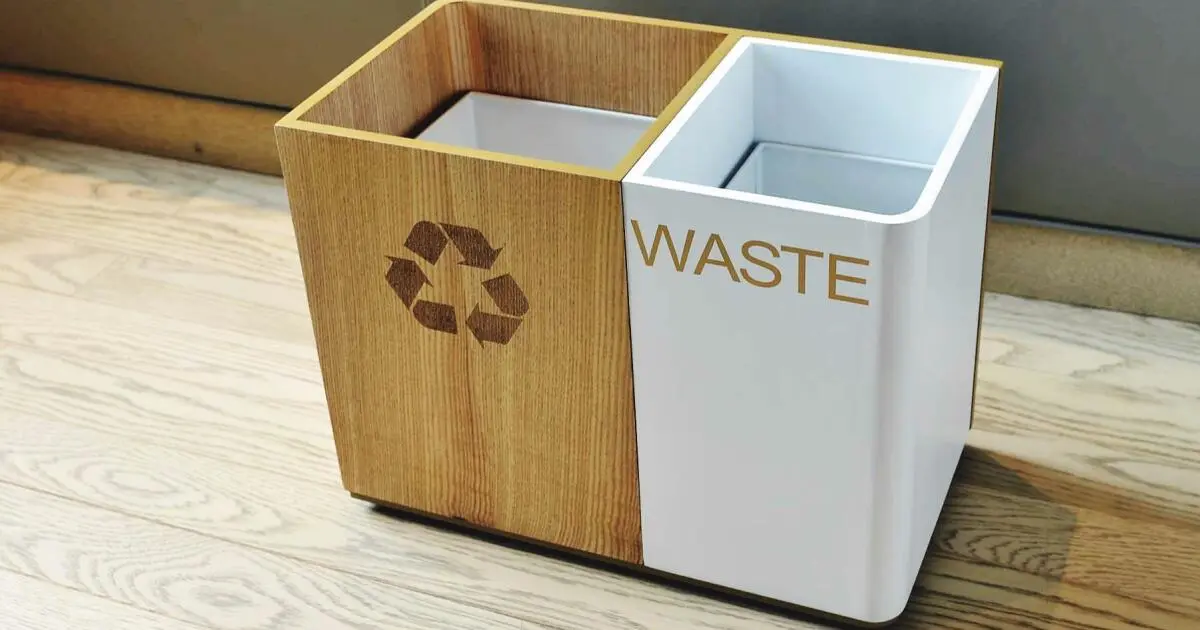
Eco-conscious guests appreciate having the option to separate waste. Providing clearly labeled recycling bins — and in some cases, small compost bins for organic waste — helps reduce landfill contributions and educates guests on proper waste disposal.
9. Carbon-Neutral Room Stays

Leading-edge hotels are offering carbon offset programs that allow guests to make their stay carbon-neutral — automatically or by opt-in. This can include investments in renewable energy, reforestation, or verified carbon credit projects. It’s a strong differentiator for green travelers.
10. On-Site Herb Gardens & Local Food Sourcing
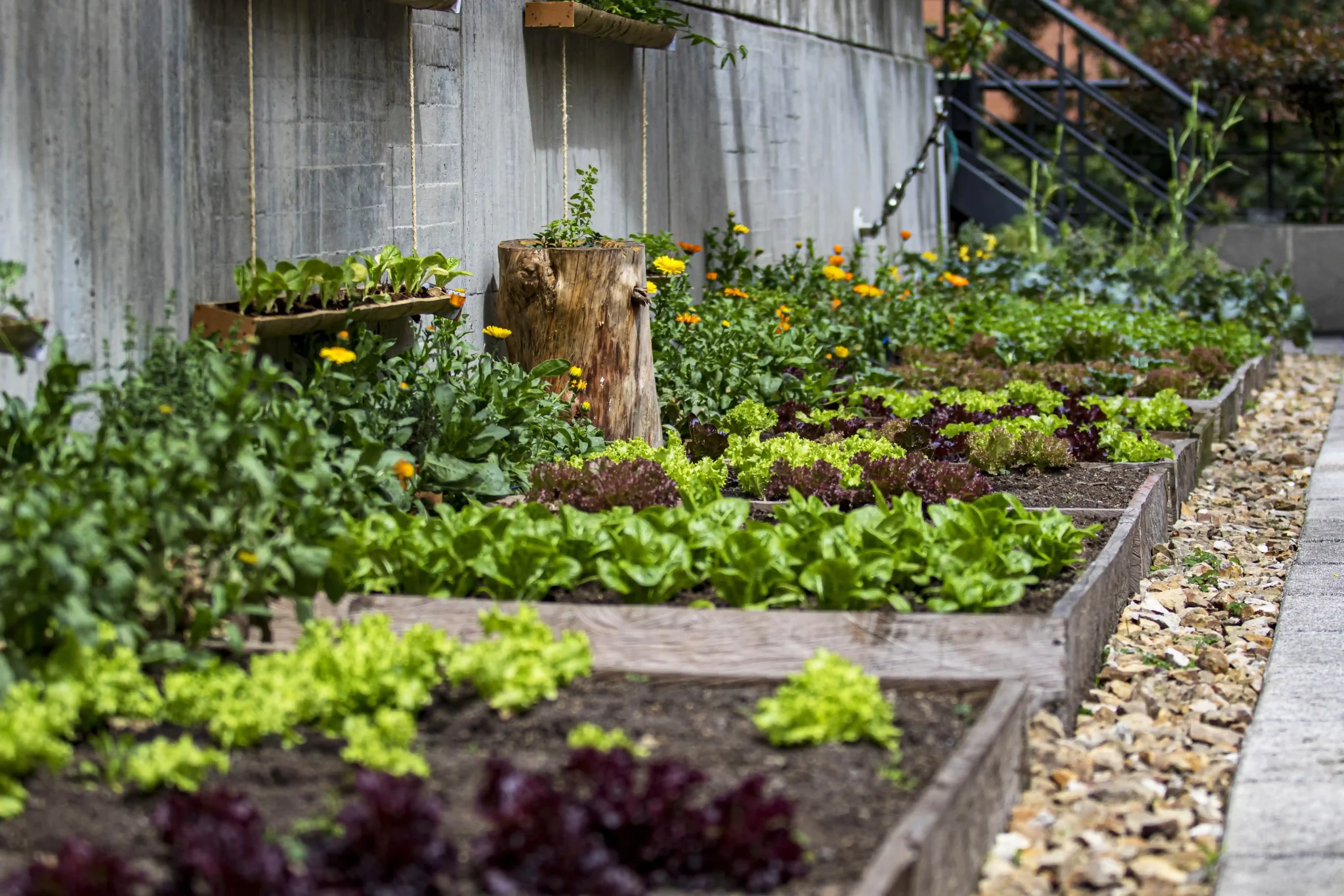
Sustainable hospitality extends to the kitchen. Many eco-hotels grow on-site herb or vegetable gardens and prioritize local and organic food sourcing for their restaurants or breakfast buffets. This reduces food miles, supports local farmers, and creates a fresher dining experience.
How to Implement a Sustainable Amenity Program
Going green doesn’t have to be overwhelming. With a clear plan, hotels can transition smoothly to eco-friendly amenities while keeping guest comfort at the center.
1. Audit Current Amenities First
Start by reviewing everything currently used in guestrooms and public areas. Identify high‑impact items such as plastics, single‑use toiletries, energy‑intensive lighting, and water‑heavy fixtures. This helps create a roadmap for what to replace first.
2. Prioritize Upgrades Strategically
A smart order of replacement keeps costs manageable and results visible:
Begin with toiletries (largest waste source)
Move to energy upgrades like LED lights or smart HVAC
Improve water fixtures such as low‑flow showerheads
Replace paper goods with recycled or compostable options
This phased approach minimizes disruption while maximizing quick wins.
3. Work With Reliable Eco‑Friendly Vendors
Sourcing matters. Choose suppliers that offer certified sustainable products, transparent manufacturing practices, and consistent quality. Building long‑term relationships with trustworthy vendors ensures steady supply and predictable pricing.
4. Train Staff & Communicate With Guests
Your green initiative works best when everyone understands it. Train your team on proper handling of refill stations, recycling rules, and maintenance routines. Then use in‑room cards, signage, or QR codes to explain your sustainability efforts to guests and encourage participation — like towel reuse or recycling.
Ready to Make Your Hotel More Sustainable?
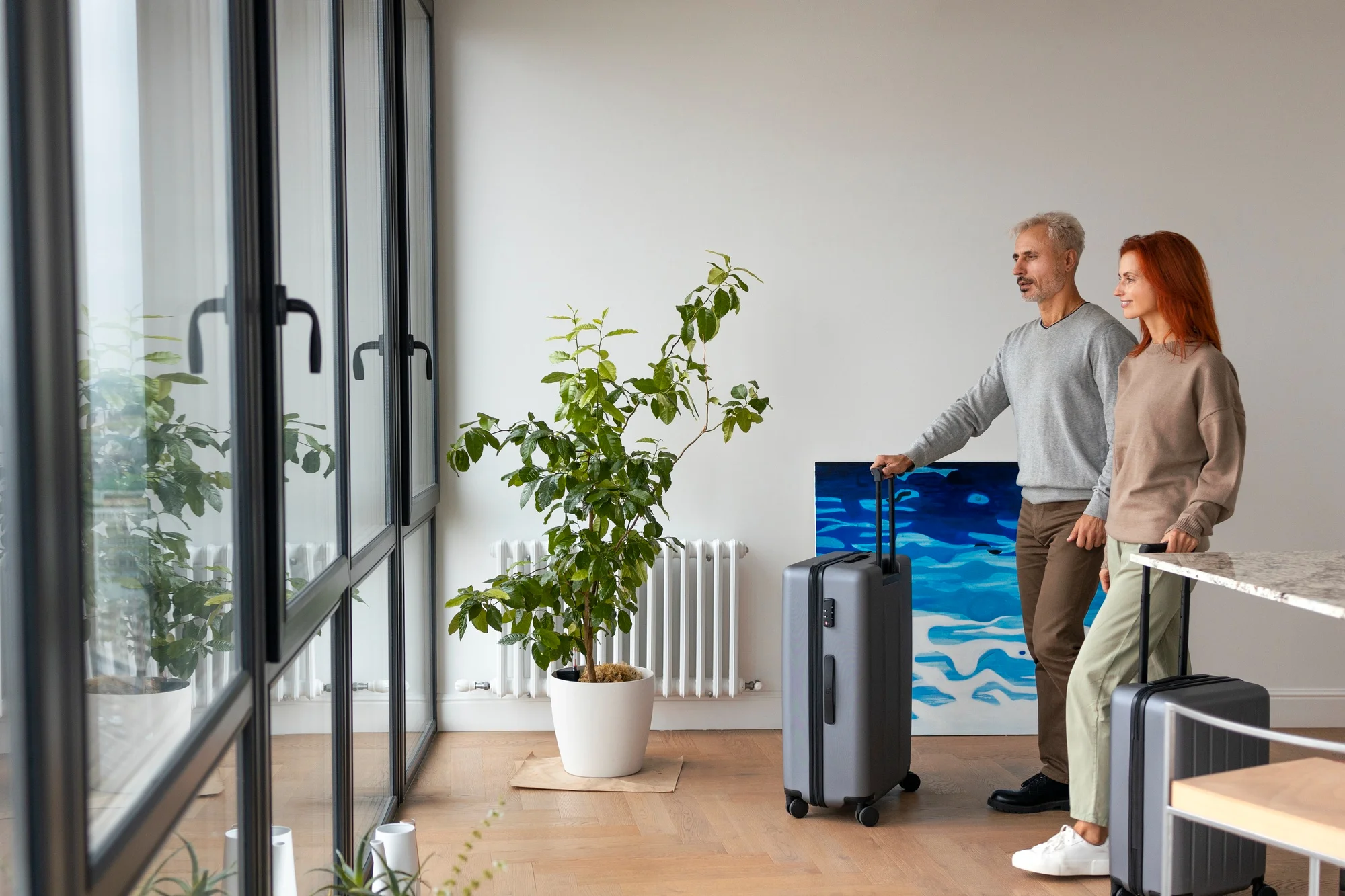
Looking to upgrade your hotel with eco-friendly amenities that delight guests and reduce costs?
We’re here to help. From sourcing biodegradable toiletries to planning a full green amenity strategy — we’ve got you covered.
Contact us today to explore sustainable options tailored for your hotel.
Let’s build a greener guest experience together.
FAQs
What does an eco‑friendly hotel mean?
An eco‑friendly hotel is one that runs in a way that lowers its impact on the planet — using energy and water savings, green building practices, non‑toxic products, and waste reduction.
How can hotels be environmentally friendly?
Hotels can install low‑flow toilets and showerheads, use LED lighting and smart HVAC, replace single‑use plastics with refillable or biodegradable items, recycle waste, use eco‑friendly cleaning products, and source local, sustainable supplies.
What are some examples of eco‑friendly products?
Examples include refillable toiletry dispensers, biodegradable toothbrushes and paper goods, reusable glass bottles, eco‑certified cleaning supplies, energy‑efficient lighting bulbs, and low‑flow water fixtures.
What is eco‑friendly housekeeping?
Eco‑friendly housekeeping uses non‑toxic, biodegradable cleaners, energy‑efficient laundry practices, reusable cleaning cloths, reduces water and energy use, recycles waste, and encourages linen reuse to cut environmental impact.


