


I. Introduction
In recent years, wooden ice cream spoons have made a strong comeback. More and more ice cream shops, event planners, and food brands are switching from plastic spoons to wooden ones. Why? Because wooden spoons are eco-friendly, safe for food, and look beautiful.
As plastic bans spread around the world, wooden cutlery has become a smart and sustainable choice. These spoons are made from natural materials like birch wood or bamboo, which can be composted or recycled. This means they don’t harm the planet after use.
For wholesalers, this trend opens a great business opportunity. The demand for wooden spoons is growing fast in the food service and retail markets. Ice cream shops, festivals, and takeout brands all need a steady supply of eco-friendly spoons.
In this complete guide, we’ll help you understand everything you need to know about wooden ice cream spoons — from their types and production process to wholesale buying tips, customization options, pricing strategies, and market trends.
By the end, you’ll know how to choose the right spoons for your business and where to buy them at the best price.
Understanding Wooden Ice Cream Spoons

Wooden ice cream spoons may look simple, but they come in many types, sizes, and materials. Understanding these details will help you choose the right product for your customers and business.
A. Types and Specifications
There are three main types of wooden ice cream spoons used in the market today:
- Small Wooden Ice Cream Spoons
These are usually around 8–9 cm long. They are perfect for serving ice cream cups, yogurt, or desserts sold in small portions. Many cafes and ice cream stalls use them for takeout cups. They are lightweight and easy to pack. - Standard Size Spoons
Standard wooden spoons are about 10–11 cm long. They are the most common choice for ice cream shops and frozen dessert brands. This size is comfortable to hold, strong enough for hard ice cream, and fits well in standard-sized cups or bowls. - Mini Taster Spoons
These spoons are shorter—around 7 cm—and are used for sampling or tasting. You’ll see them at ice cream counters or trade shows where customers can try different flavors. Because they’re small, they’re also cost-effective for bulk orders.
Read more: Different Types Of Spoon Sizes: Names, Uses & Measures
Material Differences:
Wooden spoons are usually made from birch wood, bamboo, or other smooth-grain woods.
- Birch wood is popular because it’s light, strong, and has a smooth texture.
- Bamboo spoons are tougher and more water-resistant, giving a premium, natural look.
- Some suppliers also use beech or poplar wood, which are cheaper but less durable.
When choosing materials, always check for food-grade safety certification to ensure they’re safe for direct contact with food.
B. Manufacturing Process: How Are Wooden Spoons Made for Ice Cream?
Understanding how these spoons are made can help wholesalers evaluate quality and lead time.
- Raw Material Selection
The process starts with selecting high-quality, untreated wood. The wood must be smooth, non-toxic, and meet food-contact standards. - Cutting and Shaping
The wood is then cut into thin sheets. Machines press and cut each spoon shape precisely. For different sizes or designs, the molds are changed. - Polishing and Edge Treatment
After cutting, each spoon is polished to remove rough edges or splinters. Good polishing ensures the spoon feels smooth and safe in the mouth. - Sterilization and Food Safety Certification
Wooden spoons must meet FDA, LFGB, or EU food safety standards. They are cleaned and sterilized before packaging to remove dust and bacteria. - Quality Control and Packaging
Each batch is checked for cracks, uneven color, or defects. Only spoons that pass inspection are packed in clean, sealed bags or boxes. - Production Cycle for Wholesalers
On average, production takes 2–4 weeks, depending on order size and customization. If you plan to add printing or branded packaging, it may take longer.
Market Demand Analysis
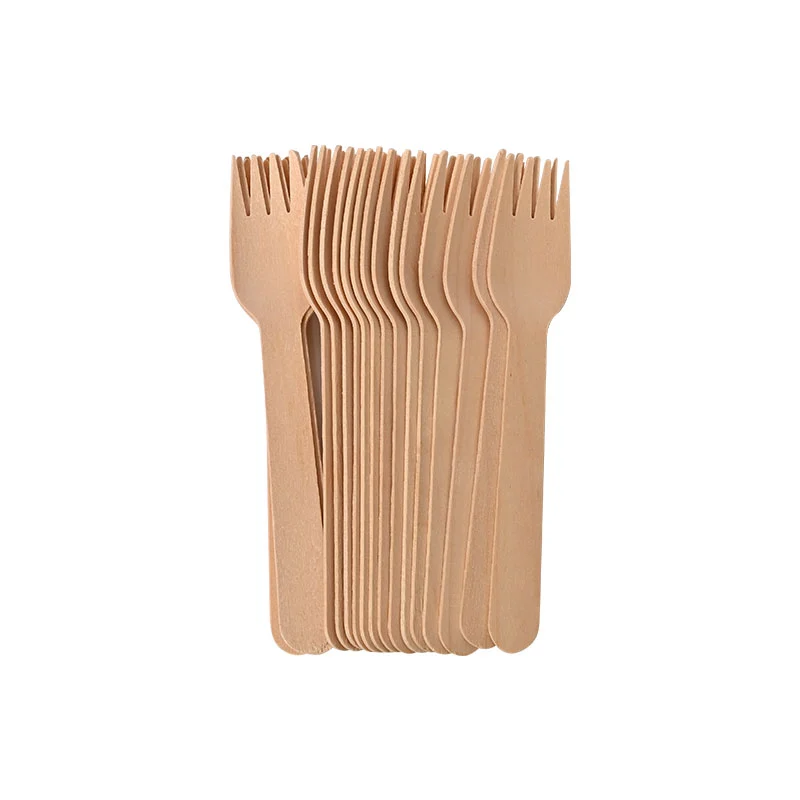
The market for wooden ice cream spoons is growing faster than ever. What was once a simple utensil has now become a key part of the eco-friendly food movement. Let’s look at why demand is rising and who the main customers are.
A. Why Wooden Spoons Are Back in Demand
- Eco-Friendly Regulations
Across the world, governments are banning or limiting single-use plastic. This includes plastic forks, knives, and spoons. Because of this, restaurants and ice cream brands are turning to wooden cutlery as a sustainable alternative. For example, in the European Union and parts of North America, wooden and bamboo cutlery has become the standard in cafes and events. Even small dessert shops are switching to meet these new laws. - Consumer Awareness
Customers today care about the environment. They prefer to buy from brands that use natural, plastic-free materials. A wooden spoon instantly tells your customers that your brand supports sustainability. It’s a small detail that makes a big impression. - Vintage and Aesthetic Appeal
Wooden spoons don’t just look natural—they also look warm, simple, and premium. Many ice cream brands use wooden spoons in their packaging to create a more “eco-luxury” look. This design choice helps brands stand out in a crowded market.
In short, the combination of eco regulations, consumer awareness, and aesthetic branding is driving the wooden spoon boom.
B. Target Customer Segments
Let’s explore the main groups that buy wooden ice cream spoons in bulk:
- Ice Cream Shops and Frozen Dessert Chains
These are the biggest buyers. They use thousands of spoons daily, especially during summer. Many prefer to buy custom-printed wooden spoons to match their brand identity. - Event Planners and Catering Companies
Weddings, festivals, and corporate events often choose wooden spoons to keep their catering eco-friendly. Disposable wooden cutlery makes clean-up easy while maintaining a natural look. - Supermarkets and Convenience Stores
These retailers often sell ice cream cups or ready-to-eat desserts with wooden spoons included in the packaging. For them, a clean, smooth, and compact spoon design matters most. - Online Food Retailers and Subscription Boxes
Many online dessert brands include a mini wooden spoon in their packaging for convenience and presentation. The wooden spoon adds a “crafted” feel that helps customers remember the brand.
Overall, the market demand for wooden ice cream spoons is strong and growing in every region. Businesses that move early and secure reliable suppliers can take advantage of this rising trend.
Wholesale Sourcing Guide
Once you understand the market demand, the next step is knowing where and how to buy wooden ice cream spoons in bulk. A good sourcing strategy helps you save money, reduce risks, and build long-term supply relationships.
Let’s explore the main wholesale channels, bundle solutions, and key supplier evaluation tips.
A. Where to Buy Wooden Ice Cream Spoons — Wholesale Channels
There are several ways to source wooden ice cream spoons. Each option has its own benefits depending on your business size and order needs.

- Direct Manufacturer Purchase — Best Value with Anzhu
Buying directly from a manufacturer like Anzhu offers the best price and control over quality. Anzhu specializes in eco-friendly wooden and bamboo tableware. They can produce custom sizes, print your logo, and manage bulk orders efficiently.
Direct sourcing helps you skip middlemen, get factory pricing, and communicate design or packaging requirements easily. - B2B Platforms (Alibaba, Global Sources, etc.)
If you are new to importing or want to compare multiple suppliers, B2B platforms like Alibaba and Global Sources are a great start. You can filter by certification, MOQ (Minimum Order Quantity), and region. However, always verify the supplier’s credibility and request samples before paying. - Local Distributors vs. Direct Import
Local distributors offer faster delivery and smaller MOQs, but prices are usually higher because they already include shipping and customs costs.
Direct import from factories, on the other hand, is cheaper per unit but requires larger order volumes and longer lead times. - MOQ (Minimum Order Quantity) Considerations
Most factories have an MOQ between 10,000–50,000 pieces for wooden spoons. For custom logo printing or packaging, the MOQ may be higher. When testing a new product, start with a small batch, then scale up after confirming quality.
B. Where to Buy Ice Cream Cups with Wooden Spoon — Bundle Solutions
Some brands prefer to buy cups and spoons together as a package. This saves time and simplifies logistics.
- Cup-and-Spoon Sets for Better Sales
Offering a ready-to-use combo is convenient for end users. It also helps your business sell faster, especially to small dessert shops or catering services. - Custom Packaging Options
You can design eco-friendly packaging that holds both the cup and spoon neatly. Some wholesalers offer paper bands, kraft sleeves, or sealed paper bags for hygiene. - Cost Efficiency and Popular Sizes
Buying in bundles often lowers overall cost since both items come from the same supplier.
The most popular combinations are:- 100ml cups with 8cm spoons
- 200ml cups with 10cm spoons
- 300ml cups with 11cm spoons
- Brand Value Enhancement
Selling a complete eco-friendly dessert set strengthens your brand’s sustainability message and improves customer experience.
C. Supplier Evaluation Criteria
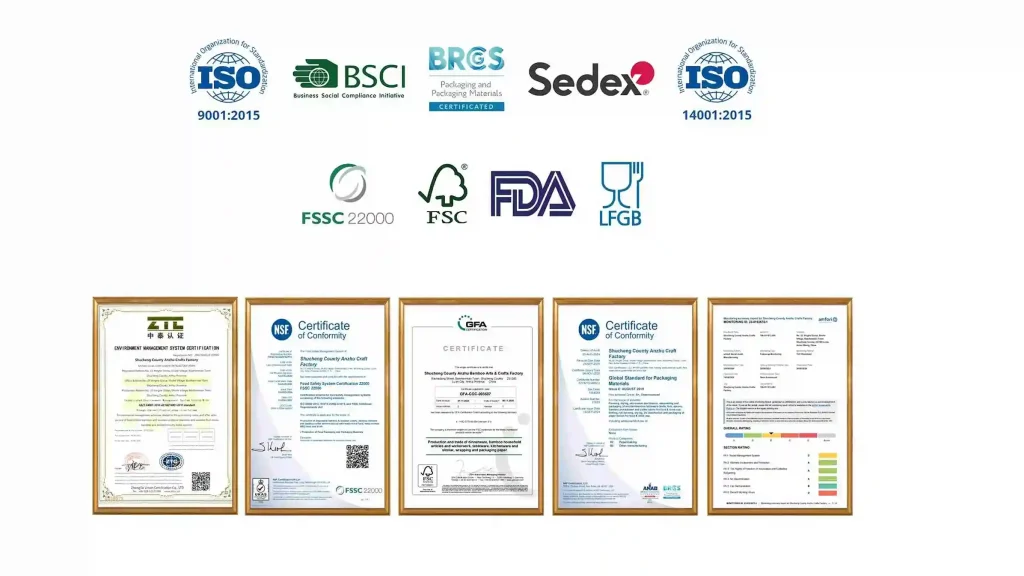
Before confirming your order, it’s essential to check if your supplier meets key standards. Here’s what to look for:
- Certifications
Check for FDA, FSC, LFGB, or ISO certifications. These show that the supplier uses safe, sustainable materials suitable for food contact. - Production Capacity & Lead Time
Ask about monthly capacity and production speed. A good supplier can handle large orders and urgent requests without sacrificing quality. - Customization Services
Reliable suppliers can print your logo, offer color options, and design packaging. Check sample quality before mass production. - Pricing & Payment Terms
Compare price tiers by order quantity. Many suppliers offer bulk discounts. Always review payment terms (e.g., 30% deposit + 70% before shipment) and clarify refund or damage policies.
Product Customization Options
Customization is one of the best ways to make your wooden ice cream spoons stand out. Many brands today don’t just want a plain spoon — they want a spoon that reflects their identity. With the right customization, you can improve brand recognition, add value, and attract repeat buyers.
A. Branding Opportunities
There are many ways to customize wooden ice cream spoons. Here are the most popular options:
- Logo Printing
You can print or laser-engrave your logo directly on the handle. This turns an ordinary spoon into a mini advertisement for your brand. Laser engraving looks clean, doesn’t fade, and adds a premium feel. It’s also eco-friendly since it doesn’t use ink. - Packaging Design
A well-designed package increases customer trust and makes your product look professional. You can choose between paper wraps, kraft boxes, or recyclable plastic pouches. Some wholesalers even offer combo packaging — spoons packed together with ice cream cups. - Color and Shape Customization
While most wooden spoons are natural-colored, you can also order dyed or printed spoons for special events or brand themes. The shape of the handle can also be customized — round, flat, or curved — to create a unique design. - Minimum Custom Order Quantity (MOQ)
Customization usually requires a higher MOQ because the supplier needs to adjust printing molds or packaging machines. For logo printing, the MOQ often starts at 10,000–20,000 pieces, depending on the complexity of the design.
Good branding makes your spoons memorable and professional. When customers enjoy ice cream with your branded spoon, they also remember your name.
B. Private Label Strategies
If you want to create your own line of eco-friendly cutlery or dessert accessories, private labeling is a smart move.
- Creating a Unique Product Line
You can combine different spoon types — taster, small, and standard — under your brand. Adding your logo and packaging design helps you stand out from competitors who sell generic products. - Design ROI (Return on Investment)
While custom packaging and printing cost more upfront, they often lead to higher resale prices and stronger brand loyalty. Businesses that invest in private labels usually see higher profits over time. - Building Long-Term Partnerships
Work closely with your supplier to develop consistent packaging standards, reliable quality checks, and flexible delivery schedules. This will help your private label brand grow smoothly.
In short, customization and branding turn a simple wooden spoon into a business opportunity. Whether you add a logo, design a special package, or launch a private label, these small details can make a big difference.
Pricing and Profitability
Pricing is one of the most important parts of running a successful wholesale business. To stay competitive and profitable, you need to understand your cost structure, plan your price strategy, and manage your profit margins carefully.
Let’s break it down step by step.
A. Cost Structure Breakdown
When you buy or sell wooden ice cream spoons, there are several costs involved. Understanding each one helps you price your product smartly.
- Factory Price Range
The basic factory price for wooden ice cream spoons usually ranges from $0.005 to $0.02 per piece, depending on size, material, and order volume.- Birch wood spoons are usually cheaper.
- Bamboo spoons are slightly more expensive but offer a premium look.
- Shipping and Customs Costs
If you import directly from overseas manufacturers, factor in freight, customs duties, and taxes. Sea shipping is cheaper for large orders, while air freight is faster but more costly. - Warehousing and Handling Costs
You may need storage for your bulk stock, especially if you supply multiple clients. Keep your warehouse dry and clean to avoid moisture damage to wooden spoons. - Loss or Damage Rate
Wooden products are lightweight and may break during shipping. It’s safe to plan for a 1–3% damage rate when calculating costs.
Knowing your total landed cost helps you set a fair selling price while maintaining healthy margins.
B. Profit Margin Optimization
Now let’s look at how to boost your profits while staying competitive.
- Profit by Sales Channel
- Wholesale (B2B): Lower margin but high volume. Perfect for steady, long-term business.
- Retail or E-commerce: Higher margin but smaller quantities. Works well for private-label or branded spoons.
- Event or Custom Orders: Highest margin. Clients pay extra for personalization and quick delivery.
- Bulk Discount Strategy
Offer tiered pricing to attract larger buyers. For example:- 10,000 pcs – base price
- 50,000 pcs – 5% discount
- 100,000 pcs – 10% discount
This not only increases your order size but also improves customer loyalty.
- Seasonal Pricing Tips
Ice cream spoon demand peaks in summer and during festivals. You can raise prices slightly during these months or prepare larger stock to meet demand. - Add Value with Bundles
Combine spoons with ice cream cups or eco-friendly napkins. Bundled products often sell faster and at higher margins.
Quality Assurance & Compliance
Quality is everything when it comes to wooden ice cream spoons. Since they come in direct contact with food, buyers expect them to be safe, smooth, and reliable. For wholesalers, maintaining high quality means fewer complaints, stronger brand reputation, and repeat customers.
Let’s look at the key safety standards, quality checks, and common issues to avoid.
A. Safety Standards
Every country has its own rules for food-contact materials, and wooden spoons must meet these requirements before being sold. Below are the most important ones to check:
- Food Contact Material Regulations
Wooden spoons must comply with FDA (U.S.), LFGB (Germany/EU), or EU 1935/2004 food safety standards. These ensure that the wood and coating (if any) are safe for contact with food and do not release harmful substances. - Non-Toxic and Eco-Friendly Certification
Always confirm that the spoons are chemical-free and contain no harmful glues or paints. Certified suppliers often provide test reports to prove that their spoons are 100% natural and biodegradable. - FSC Certification (Sustainable Sourcing)
The Forest Stewardship Council (FSC) certification shows that the wood used in your spoons comes from responsibly managed forests. This adds value to your brand and helps with eco-marketing. - Import Regulations by Country
Some countries require customs inspection or food safety documentation. Make sure your supplier can provide all necessary documents — such as material safety data sheets (MSDS) or conformity certificates — to avoid import delays.
B. Quality Issues to Avoid
Even small issues can affect the user experience and hurt your reputation. Here are the most common quality problems — and how to prevent them:
- Rough Edges or Wood Splinters
This is the most common issue. Poorly polished spoons can be uncomfortable or even unsafe. Always request polished, smooth-finish spoons and check sample quality before bulk orders. - Unpleasant Odor
Some spoons may carry a wood or glue smell if not properly dried or sanitized. Ensure your supplier uses steam sterilization or UV disinfection during production. - Weak or Cracking Spoons
Low-quality spoons may break easily, especially with frozen desserts. Choose suppliers who use high-density birch or bamboo and test samples for strength. - Inconsistent Size or Color
If the spoons vary in shape or tone, it can look unprofessional. Reliable factories use automatic cutting and color grading to keep every batch consistent. - Batch Testing and Inspection
Before shipping, check samples from random boxes to confirm the finish, size, and smoothness. For large orders, consider hiring a third-party inspection service to ensure consistent quality.
Market Trends and Opportunities
The wooden ice cream spoon market is evolving quickly. What began as a simple switch from plastic to wood has now turned into a fast-growing eco-friendly industry. Businesses that keep up with these trends can find many new opportunities for profit and brand growth.
Let’s look at the latest trends, growing segments, and what the future might hold for this market.
A. Growing Segments
- Organic and Natural Food Retail
Organic ice cream brands and health-conscious dessert makers love wooden spoons. These spoons match their brand image — natural, safe, and sustainable. As more consumers choose “clean label” products, this segment will keep growing. - Festivals, Events, and Catering Markets
Weddings, outdoor events, and food festivals are moving away from plastic. Event organizers now prefer biodegradable tableware that looks elegant and is easy to clean up. Wooden spoons are a perfect fit — stylish, simple, and eco-friendly. - Corporate and Gift Packaging
Many companies now include eco-friendly dessert sets in their corporate gifts or holiday hampers. A cup of ice cream or pudding with a cute wooden spoon adds a warm, personal touch. This trend opens up great opportunities for custom packaging and branding. - E-commerce and Subscription Boxes
Online dessert and snack brands increasingly include wooden spoons in their packages. These spoons enhance unboxing experiences and communicate a premium, eco-aware image.
B. Future Outlook
- Biodegradable and Compostable Innovations
The market is moving toward fully compostable cutlery made from wood, bamboo, or hybrid bio-materials. As technology improves, we can expect spoons that are stronger, lighter, and even faster to decompose. - Smart Design and Customization
More brands are investing in design innovation — curved handles, printed spoons, or even spoons with QR codes linking to brand stories. This blend of function and marketing will make wooden spoons a powerful branding tool. - Expanding Global Demand
Demand is no longer limited to Europe or North America. Asia-Pacific countries like Japan, South Korea, and Singapore are adopting wooden cutlery fast due to rising sustainability awareness and government bans on plastic. - Wholesale Growth Potential
As restaurants, cafes, and retailers continue to shift to eco-friendly options, wholesalers with certified products and strong supply chains will be in high demand. Partnering early with reliable manufacturers (like Anzhu) ensures a long-term advantage.
In short, the wooden ice cream spoon market is sustainable, profitable, and expanding globally. Wholesalers who act now — by securing suppliers, customizing products, and targeting eco-conscious buyers — can lead the market in the years ahead.
Conclusion
The rise of wooden ice cream spoons isn’t just a short-term trend — it’s part of a larger global shift toward sustainability and eco-friendly living. Businesses that move early can build strong brands, attract loyal customers, and make a real difference for the planet.
Frequently Asked Questions (FAQ)
Below are some of the most common questions wholesalers and business buyers ask when sourcing wooden ice cream spoons in bulk.
Q1: Are wooden ice cream spoons safe for food use?
Yes. High-quality wooden spoons made from birchwood or bamboo are 100% food-safe, biodegradable, and free from harmful chemicals. When purchased from certified manufacturers like Anzhu, they comply with FDA, LFGB, and FSC standards to ensure safety and hygiene.
Q2: What sizes are available for wooden ice cream spoons?
The most common sizes include:
- Mini taster spoon: 3.5–4 inches (9–10 cm) — ideal for samples or gelato.
- Standard spoon: 4.5–5 inches (11–13 cm) — suitable for single-serve ice creams and desserts.
- Large spoon: 6 inches (15 cm) — for sundaes, takeaways, or catering.
Custom sizes can also be produced on request.
Q3: Can I customize my wooden spoons with a logo or brand name?
Absolutely. Most suppliers, including Anzhu, offer logo printing, laser engraving, and custom packaging. This helps food brands, cafes, and events create a more professional, eco-friendly image.
Q4: Are wooden spoons compostable and biodegradable?
Yes. Wooden spoons are fully compostable and biodegradable. After use, they can break down naturally in composting environments without releasing toxins — unlike plastic alternatives.
Q5: How are wooden spoons packaged for wholesale?
Typically, they come in:
- Bulk cartons (e.g., 1,000–10,000 pieces per box) for B2B buyers.
- Small retail boxes (e.g., 100–200 pieces) for resale.
Packaging can be customized with eco-friendly materials or private labels upon request.
Q6: What’s the minimum order quantity (MOQ)?
For wholesalers, the MOQ usually starts around 10,000 pieces, but Anzhu can offer flexible MOQs for new businesses or trial orders.
Q7: How long is the production and shipping time?
- Production time: 10–20 days depending on order size and customization.
- Shipping: 15–30 days by sea or 5–10 days by air.
Express samples can be delivered within a week.
Q8: Do wooden ice cream spoons have any odor or taste?
No. Premium spoons are made from kiln-dried, odor-free wood, ensuring that they do not affect the taste or aroma of your ice cream or dessert.
Q9: What’s the difference between wooden spoons, bamboo spoons, and birch spoons?
- Birchwood spoons — smooth texture, strong yet lightweight.
- Bamboo spoons — slightly firmer, naturally anti-bacterial, more sustainable.
Both are great options; bamboo tends to have a more “eco-premium” look.
Q10: How can I order from Anzhu?
You can contact Anzhu directly through the company website or via email to get a free quotation, samples, or customization options.
👉 Start your eco-friendly transition today — request your bulk quote from Anzhu


