


What Is Recycling?
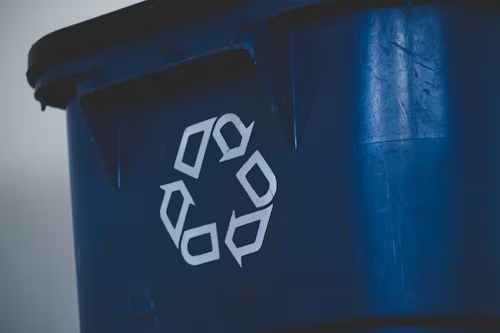
Recycling means turning old or used materials into new products. Instead of throwing things away, we give them a second life.
For example, when you recycle a plastic bottle, it can be melted down and made into a new bottle or even clothing fiber.
The process usually involves collecting, sorting, cleaning, and reprocessing materials.
Here’s how it works:
- You place your recyclable waste into the right bin.
- A recycling center sorts everything by material type.
- Each material is cleaned and broken down into raw form.
- The raw materials are then used to create new products.
The most common recyclable items include:
- Paper and cardboard (boxes, office paper, newspapers)
- Plastic bottles and containers (check the recycling number on the bottom)
- Glass bottles and jars
- Metal cans (aluminum, tin)
Example: A recycled aluminum can can be back on store shelves in just 60 days. That’s how fast recycling works!
What is Composting?
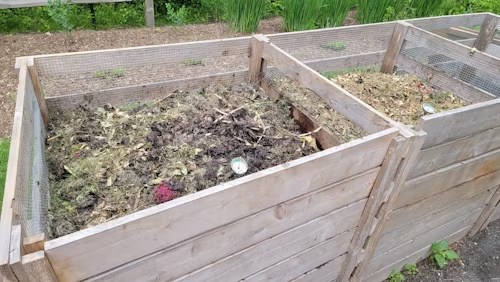
Composting is the natural process of turning organic waste—like food scraps, leaves, and yard clippings—into nutrient-rich soil. It’s nature’s way of recycling!
When you compost, tiny living things like bacteria, fungi, and worms break down waste into a dark, soil-like material called compost. This compost can be used to help plants grow strong and healthy.
The process usually happens in three simple stages:
- Collect Organic Waste: You start by saving fruit peels, vegetable scraps, coffee grounds, and dry leaves.
- Decomposition: Microorganisms eat and break down these materials. They need oxygen, moisture, and the right temperature to work well.
- Curing: After a few weeks or months, the compost becomes crumbly and smells like fresh earth. That’s when it’s ready to use in gardens or farms.
Unlike recycling, composting doesn’t need large machines or factories — you can even do it in your backyard or kitchen with a small compost bin.
Read more:
What Makes Materials Compostable
Not everything can go into compost. Only items made from natural, plant-based materials break down fully and safely.
Compostable materials include:
- Fruit and vegetable scraps
- Coffee grounds and tea bags
- Eggshells
- Grass clippings and dry leaves
- Compostable packaging (made from cornstarch, bamboo, or sugarcane fiber)
Non-compostable materials include:
- Plastic, glass, and metal
- Oily or greasy food waste
- Synthetic fabrics or coated paper
A compostable product (like a bamboo fork or bagasse plate) must break down into natural elements within a few months and leave no toxic residue behind. This makes composting one of the best ways to return waste to the earth safely.
Example:
Imagine you finish lunch using an Anzhu bamboo plate. Instead of throwing it away, you place it in a compost bin. A few months later, it turns into rich soil that helps grow new plants. It’s a full circle — from nature, back to nature.
Anzhu’s View:
At Anzhu, we design our bamboo and wooden tableware to be fully compostable. That means our products can safely return to the soil, helping reduce waste and support a cleaner planet. Composting is not just waste disposal — it’s renewal.
Key Differences Between Recycling and Composting
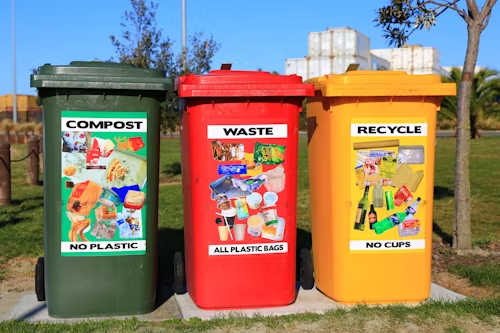
Recycling and composting are both great for the planet, but they work in very different ways. Think of recycling as giving materials a new life, while composting helps them return to nature.
Let’s look at how they differ step by step.
1. Process Differences
Recycling uses factories and machines to clean, melt, or reshape materials like plastic, glass, and metal into new items.
It’s a mechanical process — people and machines work together.
Composting, on the other hand, is a biological process. Microorganisms and natural heat break down food scraps, paper, and plant-based materials into compost. You don’t need a machine — just time and the right conditions.
Example:
- A plastic bottle can be recycled into a new bottle.
- A banana peel can be composted into nutrient-rich soil.
2. Material Requirements
Recycling works for non-organic materials like:
- Plastics
- Metals
- Glass
- Paper
Composting works for organic materials such as:
- Food scraps
- Yard trimmings
- Compostable packaging
- Natural fibers like bamboo or sugarcane
In short: if it came from the earth and can safely go back to the earth, it can be composted.
3. End Products and Uses
- Recycling produces new materials — for example, recycled paper, glass bottles, or aluminum cans. These products re-enter the market for reuse.
- Composting produces humus, a dark, soil-like material that improves soil health and helps plants grow.
Both create valuable outcomes, but composting’s “product” goes directly into supporting nature instead of manufacturing.
4. Time and Conditions Needed
Recycling happens quickly once materials reach a recycling center. Machines can sort and process items in a few hours.
Composting, however, takes weeks or even months to fully break down materials — depending on temperature, moisture, and the balance of “green” (food waste) and “brown” (dry leaves) materials.
Example:
A recycled can might return to store shelves in a few weeks.
But a composted bamboo fork might take three months to turn into soil — slow, but 100% natural.
Anzhu’s View:
At Anzhu, we support both processes. Recycling saves valuable resources, while composting restores the earth. That’s why our products are designed to fit either system — recyclable packaging, and compostable bamboo tableware. Together, both help build a truly sustainable lifestyle.
Read more: Biodegradable vs. Recyclable Coffee Packaging
The Importance: Environmental Benefits
Every time you recycle or compost, you take a small but powerful step toward protecting the earth. These two actions may seem simple, but they have huge environmental benefits that add up over time.
How Recycling Helps the Environment
1. Reduces landfill waste
When we recycle, less trash ends up in landfills or oceans. This helps prevent pollution and keeps harmful materials like plastics and metals from damaging nature.
For example, recycling one ton of paper can save over 3 cubic meters of landfill space!
2. Conserves natural resources
Recycling means we don’t have to dig up or harvest as many new materials. Recycled paper saves trees, recycled metal saves ore, and recycled plastic saves oil. This protects forests and wildlife habitats.
3. Saves energy and reduces emissions
Making products from recycled materials uses less energy than making them from raw resources.
For instance:
- Recycling aluminum cans saves up to 95% of the energy used to make new cans.
- Recycling glass saves around 30% of the energy needed for new glass.
Less energy means fewer greenhouse gases, which helps fight climate change.
How Composting Helps the Environment
1. Enriches soil health
Compost adds nutrients back into the soil. It improves soil texture, helps plants grow stronger, and allows the soil to hold more water. Farmers and gardeners love compost because it acts like natural fertilizer — without chemicals.
2. Reduces methane emissions
When food waste sits in landfills, it breaks down without air and releases methane, a powerful greenhouse gas. Composting prevents this by breaking down waste with oxygen, which greatly reduces methane production.
3. Decreases the need for chemical fertilizers
Compost provides all the nutrients plants need naturally. That means fewer chemical fertilizers are used, reducing soil and water pollution.
Combined Impact: Energy and Money Savings
Recycling and composting together can save both energy and money — not only for individuals, but also for communities.
How both practices save energy:
- Recycling reduces energy use in factories.
- Composting lowers the need for waste collection and landfill management.
Cost benefits for households and communities:
- Families who compost and recycle throw away less trash, which means lower garbage bills in some cities.
- Communities save money on landfill operations and waste transport.
Example:
A family that recycles plastic bottles and composts food scraps can cut down their trash by over 50% each week — saving money and making a real environmental difference.
Anzhu’s View:
At Anzhu, we believe sustainability should be simple and practical. Our eco-friendly bamboo plates and wooden utensils help reduce landfill waste and support composting efforts. By choosing compostable products, you help save energy, protect nature, and build a cleaner tomorrow — all with one small choice today.
Current Statistics and Reality
Even though recycling and composting are becoming more popular, the truth is that most waste in the world still isn’t properly managed. Understanding the real numbers helps us see why small daily actions—like recycling and composting—still matter so much.
How Much Trash Is Actually Recycled or Composted?
Globally, we produce over 2 billion tons of waste every year. Sadly, less than 20% of it is recycled or composted.
Let’s look at a few examples:
- In the United States, about 32% of waste is recycled or composted.
- In the European Union, the average rate is around 48%.
- In many developing countries, the rate is below 10%, mainly because recycling and composting facilities are limited.
That means most waste still ends up in landfills or is burned, releasing harmful gases and chemicals into the environment.
The Gap Between Potential and Reality
The sad truth is that many items we could recycle or compost never get the chance.
Why? Here are some key reasons:
- Contamination:
When recyclables are mixed with food waste or dirty items, they can’t be processed properly. For example, an oily pizza box can ruin a whole batch of paper recycling. - Lack of Access:
Not everyone has easy access to compost bins or recycling centers, especially in rural or developing areas. - Low Awareness:
Many people still don’t know which materials belong in the recycling or compost bin. Confusion leads to mistakes, and mistakes lead to waste. - Market Challenges:
Recycling depends on demand for recycled materials. When prices drop, some facilities can’t afford to process them.
Example:
A city might collect plastic bottles, but if there’s no buyer for recycled plastic, those bottles may still end up in a landfill.
This shows that recycling alone isn’t enough — we also need better systems, smarter design, and stronger consumer habits.
Anzhu’s View:
At Anzhu, we see the gap between what could be recycled or composted and what actually is. That’s why we focus on simple, natural materials like bamboo and wood — materials that can return to the earth safely. Our goal is to make waste reduction easier for everyone, from families to food businesses.
What Goes Where? Practical Sorting Guide
Sorting waste correctly is one of the easiest ways to help the environment. But many people still feel unsure about what goes into the recycling bin, the compost bin, or the trash.
Let’s make it simple.
Materials Suitable for Recycling
Recycling works best when materials are clean and dry. If they’re dirty with food or oil, they might get rejected.
Here’s a quick guide:
1. Paper and Cardboard
✅ Can Recycle:
- Newspapers, magazines, and notebooks
- Clean cardboard boxes
- Office paper and envelopes
🚫 Can’t Recycle:
- Greasy pizza boxes
- Wax-coated or laminated paper
- Tissues or paper towels (these go to compost or trash)
2. Plastics (by type)
✅ Can Recycle:
- Plastic bottles and containers labeled with ♻️ 1 (PET) or 2 (HDPE)
- Clean food containers (like yogurt cups)
🚫 Can’t Recycle:
- Plastic bags and wraps
- Styrofoam
- Plastic utensils or straws (unless marked recyclable)
3. Metals and Glass
✅ Can Recycle:
- Aluminum cans
- Tin food cans
- Glass bottles and jars (rinsed clean)
🚫 Can’t Recycle:
- Broken glass or ceramics
- Aluminum foil with food on it
- Light bulbs or mirrors
Materials Suitable for Composting
Composting loves organic, plant-based materials. Anything that can naturally decompose belongs here.
1. Food Scraps and Yard Waste
✅ Can Compost:
- Fruit and vegetable peels
- Coffee grounds and tea leaves
- Eggshells
- Grass clippings and dry leaves
🚫 Can’t Compost:
- Meat, fish, and dairy (they attract pests)
- Oily food waste
- Pet waste
2. Compostable Packaging
Many eco-friendly products are now compostable, especially those made from bamboo, bagasse (sugarcane fiber), or cornstarch.
✅ Can Compost:
- Anzhu bamboo plates, cutlery, and bowls
- Paper straws and napkins
- Compostable cups and food boxes labeled “compostable”
🚫 Can’t Compost:
- Biodegradable plastics (these need special facilities)
- Coated or mixed-material packaging
Common Disposable Items: Where Do They Go?
Here’s how to handle some everyday disposable items:
| Item | Recycle | Compost | Trash |
|---|---|---|---|
| Plastic water bottle | ✅ | ❌ | ❌ |
| Bamboo fork (Anzhu) | ❌ | ✅ | ❌ |
| Styrofoam cup | ❌ | ❌ | ✅ |
| Paper napkin | ❌ | ✅ | ❌ |
| Aluminum can | ✅ | ❌ | ❌ |
| Food leftovers | ❌ | ✅ | ❌ |
| Plastic bag | ❌ | ❌ | ✅ |
Tip: When in doubt, check the label. If something says “compostable,” it usually goes in the compost bin. If it has a recycling symbol (♻️) and is clean, it goes in recycling.
Anzhu’s View:
At Anzhu, we make sorting simple. Our bamboo tableware is 100% compostable — no plastic coatings, no confusion. When you use Anzhu products, you know they can safely return to the soil without harming the planet.
Compostable vs. Recyclable: Clearing the Confusion
People often think “compostable” and “recyclable” mean the same thing — but they don’t. Both are eco-friendly, yet they work in very different ways. Let’s make the difference clear and easy to remember.
What Is the Difference Between Compostable and Recyclable Products?
Recyclable products are made to be processed and reused to create something new. They go through factories that clean, melt, or reshape the materials.
Examples include:
- Plastic bottles
- Aluminum cans
- Glass jars
- Paper boxes
Compostable products, however, are made to break down naturally into soil. They don’t need machines — just oxygen, moisture, and time.
Examples include:
- Food scraps
- Yard trimmings
- Bamboo or sugarcane plates (like Anzhu tableware)
- Compostable packaging made from cornstarch or PLA
In short:
♻️ Recycling keeps materials in use.
🌱 Composting returns them to nature.
Can You Recycle Compostable Products?
No — and this is where many people make mistakes.
Compostable products should not go into the recycling bin. They’re designed to break down, not to be melted or reshaped.
If compostable items are mixed with recyclables, they can contaminate the recycling process.
For example:
- A compostable cup mixed in with plastic bottles can cause an entire batch of recycling to be rejected.
So, remember:
👉 Compostable → Compost bin
👉 Recyclable → Recycling bin
What Happens If You Can’t Compost Compostable Products
If you don’t have access to composting, it’s still better to use compostable products than single-use plastics.
Why? Because even in landfills, compostable materials break down faster and release fewer toxins than plastic.
However, for the best result:
- Check if your city has an industrial composting facility.
- Look for home compostable certifications if you compost at home (these break down at lower temperatures).
Example:
If you use an Anzhu bamboo fork and throw it in the trash, it may still decompose in a few months. But if you compost it, it becomes rich soil that helps new plants grow.
Anzhu’s View:
At Anzhu, we design our tableware to make waste sorting simple. Our bamboo products are 100% compostable, not just “biodegradable.” That means they safely return to the earth without leaving plastic traces. We believe that when people understand the difference between compostable and recyclable, they make smarter, greener choices every day.
Which Is Better: Composting or Recycling?
People often ask, “Which is better — composting or recycling?”
The truth is, neither is better on its own. They work best together, like two halves of one eco-friendly system.
Let’s look at how they compare.
1. Comparing Effectiveness
Recycling is great for materials that can’t decompose — like metal, glass, and plastic. It helps reduce the need for new raw materials and saves energy in manufacturing.
Composting, however, works for organic waste — food scraps, yard trimmings, and compostable packaging. It turns waste into something useful: rich, healthy soil.
So while recycling keeps materials in use, composting helps them return to the earth.
Both close the loop, just in different ways.
Example:
- Recycling a soda can saves raw aluminum and energy.
- Composting a banana peel feeds the soil for new plants to grow.
Both save resources — just in different forms.
2. When to Choose One Over the Other
You can think of it like this:
- If it’s plastic, metal, or glass → Recycle it.
- If it’s food waste, bamboo, or paper with food stains → Compost it.
- If it’s dirty plastic or coated packaging → Trash it (but try to avoid buying these).
In simple terms, recycling keeps our man-made materials in the system, while composting gives back to nature.
3. Why Both Are Necessary
Recycling alone can’t solve our waste problem. Some materials — like plastics — can only be recycled a few times before they lose quality. Composting alone can’t handle non-organic items.
Together, they make a complete solution:
- Recycling reduces pollution and saves resources.
- Composting restores soil and reduces methane gas.
When both systems run side by side, they create a circular economy — where nothing goes to waste, and everything finds a new purpose.
Benefits and Challenges
Recycling and composting both bring real environmental value, but they also face real-world challenges.
Knowing both sides helps us make smarter and more realistic choices for a greener future.
Benefits of Recycling
1. Resource Conservation
Recycling saves natural resources.
- Recycled paper reduces the need to cut trees.
- Recycled metal saves mining energy.
- Recycled plastic saves oil.
Every recycled item means less harm to nature.
2. Economic Advantages
Recycling creates jobs and supports local industries.
Workers collect, sort, and process materials that can be sold again.
For every 10,000 tons of waste recycled, about 36 jobs are created — more than in landfilling or burning waste.
3. Waste Reduction
By recycling, we send less trash to landfills and oceans.
That means cleaner cities, less pollution, and fewer harmful emissions.
Challenges of Recycling
1. Contamination Issues
Food residue or dirty materials can ruin recyclable batches.
For example, a greasy pizza box or a plastic cup with leftover drink can cause a full truckload of recyclables to be rejected.
2. Limited Infrastructure
Not all cities have proper recycling systems. Some areas lack sorting centers or collection programs, making it hard for people to recycle correctly.
3. Market Dependency
Recycling depends on demand for recycled materials.
If the market price drops, companies may stop processing recyclables, and materials might still end up in landfills.
Benefits of Composting
1. Soil Enrichment
Compost adds organic nutrients to the soil.
It improves plant growth, supports biodiversity, and helps soil retain water.
Farmers often call compost “black gold” for its natural power.
2. Waste Diversion
Composting turns organic waste into a useful product.
Food scraps, yard clippings, and compostable tableware are kept out of landfills — reducing methane and saving space.
3. Carbon Reduction
When organic matter decomposes naturally, it captures carbon in the soil.
This helps reduce greenhouse gases and supports climate-friendly farming.
Challenges of Composting
1. Space and Time Requirements
Composting needs time, air, and space.
Not everyone has a garden or backyard, and home composting can take several months.
2. Limited Access to Facilities
In many cities, industrial composting is still new.
People often don’t have curbside compost bins or nearby drop-off points.
3. Learning Curve
Some people find composting confusing.
They’re unsure what to include or how to balance “green” (food scraps) and “brown” (dry leaves) waste.
But with a bit of practice, it becomes easy and rewarding.
Example:
A restaurant using Anzhu bamboo plates can compost all its used tableware, turning daily waste into soil.
But if the restaurant doesn’t have access to compost pickup, those compostables may end up in the trash — showing how system support matters as much as individual effort.
Anzhu’s View:
At Anzhu, we see both sides — the promise and the challenge.
That’s why our mission is to make sustainable products simple to use and easy to dispose of responsibly.
When recycling and composting become natural parts of daily life, everyone wins — the planet, people, and businesses.
Regulations and Certifications
When we talk about recycling and composting, laws and certifications play a big role in guiding both companies and individuals. These rules help make sure that waste is managed properly and that products labeled “eco-friendly” really are safe for the planet.
California Composting Law and Other Regulations
California is one of the leaders in waste management laws. In 2022, California’s SB 1383 law took effect. It requires residents and businesses to separate organic waste—like food scraps and yard trimmings—from regular trash. The goal is to reduce methane gas from landfills and reach a 75% reduction in organic waste disposal by 2025.
Other U.S. states, like Oregon and Washington, are also setting composting targets and encouraging recycling programs. For example, Oregon’s “Bottle Bill” gives small refunds for returned beverage containers. This makes recycling rewarding and fun for everyone.
In the European Union, countries must meet strict recycling targets—at least 55% of municipal waste must be recycled by 2025. Japan also has strong laws promoting waste separation at the household level, leading to very high recycling rates.
Relevant Sustainable Environmental Certifications
Certifications help people identify real eco-friendly products. Here are some of the most recognized ones:
- BPI (Biodegradable Products Institute) – ensures compostable products break down safely in commercial composting facilities.
- OK Compost / OK Compost HOME – certifies that a product can decompose either in industrial or home composting systems.
- FSC (Forest Stewardship Council) – verifies that paper or wood products come from responsibly managed forests.
- Green Seal – certifies products that meet high environmental and performance standards.
What Certifications Mean for Consumers
When you see a logo like “BPI Certified Compostable” or “FSC Certified,” it means the product meets clear environmental standards. These certifications give you confidence that you’re choosing products that help reduce waste and protect natural resources.
However, not all “green” labels are created equal. Some brands use vague terms like “eco-safe” or “natural,” which can be misleading. Always check for recognized certifications before making a purchase.
At Anzhu, we take these standards seriously. Our disposable bamboo and wooden tableware meet international certification standards and are designed to decompose naturally—without harming the environment. By choosing certified, compostable products, you join a global effort to keep our planet clean and green.
FAQs about recycling and composting
1. Does recycling and composting mean changing to renewable sources?
Not exactly — but both support renewable practices. Recycling keeps materials like paper, plastic, and metal in use longer, reducing the need to make new ones from natural resources. Composting, on the other hand, returns organic matter back to the soil, making it rich and healthy.
So, while recycling and composting don’t directly create renewable energy or materials, they help reduce our dependence on things that can’t be renewed, such as fossil fuels and raw minerals. Together, they build a cleaner and more sustainable loop — one that keeps materials cycling instead of wasting away.
2. How much money can recycling and composting save?
Both can save a lot — for homes, cities, and even businesses.
For example:
- Households that compost and recycle reduce the amount of trash they send to landfills, which often means lower waste collection costs.
- Cities save money when they don’t have to expand landfill sites or pay extra for waste management.
- Some places even reward people for recycling by giving cash for returned bottles or cans — like in Oregon or parts of Europe.
Plus, composting at home can cut the cost of buying fertilizers for your garden. So yes, small changes can lead to real savings over time!
3. What if I don’t have access to composting facilities?
That’s a common challenge — but don’t worry, there are still solutions!
If your city doesn’t collect food or yard waste yet, you can:
- Try home composting using a small compost bin or tumbler.
- Use bokashi buckets — a method that works even in apartments.
- Check if local farms, schools, or community gardens accept food waste for composting.
Many cities are adding composting services each year, so even if you can’t compost now, it’s likely coming soon.
4. Are compostable products always better than recyclable ones?
Not always — it depends on where you live and what facilities are available.
Compostable products are great if you have access to composting systems. They turn into soil and enrich the earth. But if you throw them in the trash, they often end up in landfills — where they don’t compost properly.
Recyclable products, like aluminum cans or glass bottles, can be reused many times. However, if they’re dirty or mixed with food waste, they can’t be recycled either.
So the best choice depends on your local waste system and your habits. The key is not just what the product is made of — but how you dispose of it.
At Anzhu, we encourage using compostable bamboo and wooden tableware, especially because these products naturally return to the earth, even without industrial composting. Still, we believe both recycling and composting are needed to create a truly sustainable world.
Transform Your Business with Anzhu’s Eco-Friendly Solutions!

At Anzhu, we believe sustainability starts with everyday products. As a trusted manufacturer of eco-friendly bamboo and wooden tableware, we design our products to be biodegradable, compostable, and safe for the planet — without sacrificing quality or style.
Our solutions are perfect for restaurants, caterers, hotels, and eco-conscious businesses looking to reduce plastic waste and embrace responsible sourcing. Each piece is crafted from renewable bamboo and wood, meeting international standards for sustainability and performance.
Join the green movement with Anzhu.
Discover how our compostable and recyclable tableware can help your business stand out while protecting the Earth.
Contact us today or visit our website to explore our full range of sustainable tableware solutions — and take the first step toward a greener, smarter, and more responsible future with Anzhu.


