


What Is PLA?

PLA, or Polylactic Acid, is a type of thermoplastic polyester made from natural, renewable sources like corn, sugarcane, or other starch‑rich crops. Instead of relying on petroleum, PLA uses plant sugars that are fermented into lactic acid, which makes it a popular choice for eco‑friendly packaging and disposable products.
From a chemistry point of view, PLA is produced in two main ways:
Condensation of lactic acid, where molecules link together and release water.
Ring‑opening polymerization of lactide, a more efficient method that creates longer, stronger chains for higher‑quality PLA.
Because of its structure, PLA behaves like a traditional plastic in many ways. It’s rigid, lightweight, transparent, and easy to mold, making it suitable for packaging, food containers, 3D‑printing filament, and more. PLA also has biodegradability potential, especially in industrial composting conditions, which is why it’s often marketed as a greener alternative to petroleum‑based plastics.
Advantages of PLA
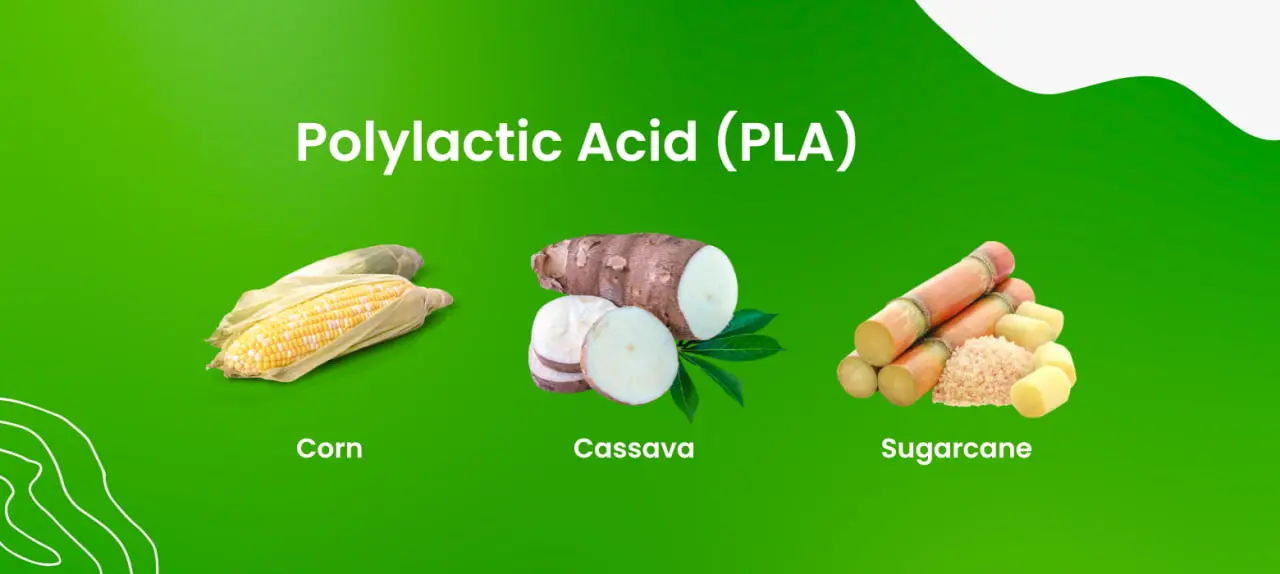
PLA comes with several benefits that make it a favorite in eco‑packaging and modern manufacturing. Because it’s made from plants, it offers a more sustainable path than traditional petroleum plastics.
Renewable & lower carbon footprint
PLA is produced from crops like corn or sugarcane, which means it relies less on fossil fuels and leaves a smaller carbon footprint.Biodegradability/compostability
Under proper industrial composting conditions, PLA can break down into natural elements. This makes it a popular choice for disposables, packaging, and single‑use foodware.Energy‑efficient production
Producing PLA requires less energy and results in fewer greenhouse‑gas emissions compared to many traditional plastics.Food‑safe and biocompatible
PLA is safe for direct food contact and is even used in medical fields, such as sutures, implants, and drug‑delivery devices.Versatility across industries
PLA can be molded, extruded, thermoformed, injection‑molded, blown into films, spun into fibers, and widely used in 3D printing—making it an incredibly adaptable material.
Limitations & Challenges of PLA
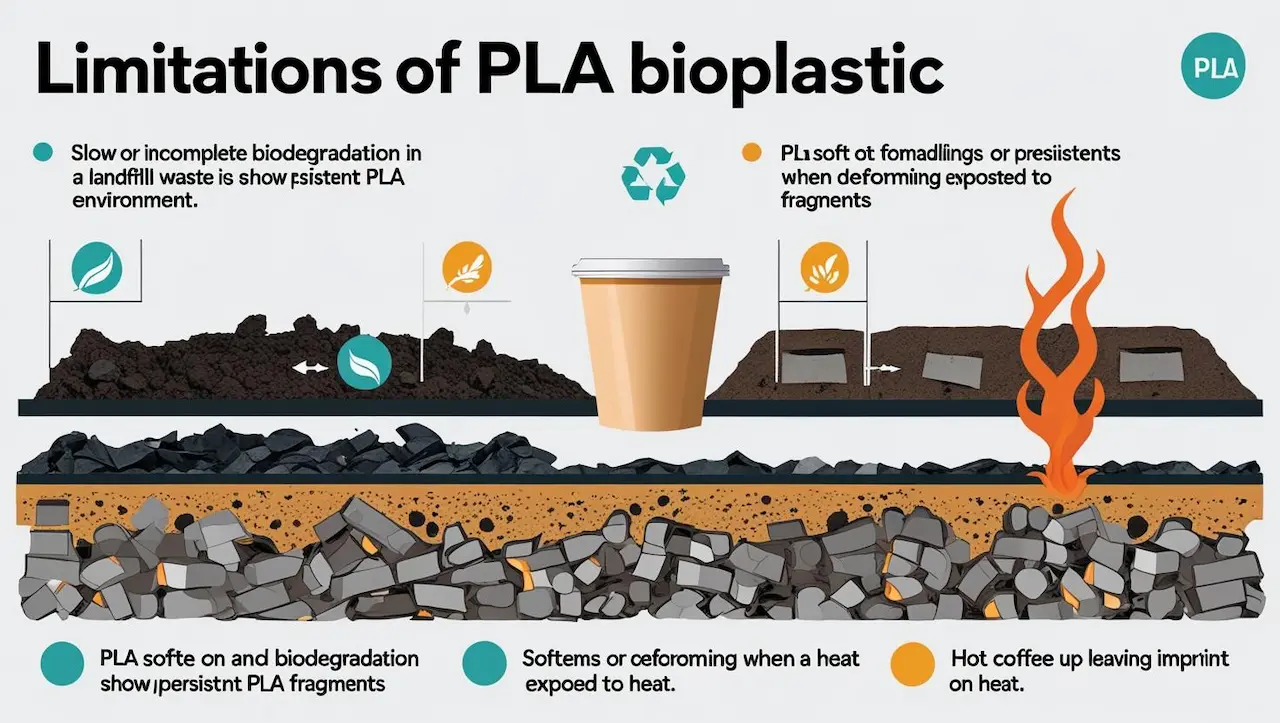
Despite its advantages, PLA isn’t perfect. Understanding its limits helps businesses and consumers use it wisely.
Low heat resistance
PLA can soften or deform at temperatures around 55–65 °C. This limits its use for hot foods, microwaving, or high‑temperature applications.Brittleness & lower impact resistance
Compared to strong petroleum‑based plastics, PLA is more brittle and less able to handle heavy loads or rough handling.Slow or conditional biodegradation
Although marketed as biodegradable, PLA typically needs industrial composting conditions—high heat, controlled humidity, and microbes—to truly break down. In soil, home compost, or marine environments, it degrades much more slowly.Moisture and gas permeability
PLA doesn’t provide strong moisture or oxygen barriers, so it may not be the best option for long‑term storage of sensitive foods.Recycling challenges
PLA cannot mix with conventional plastic recycling streams. Specialized facilities are required, and access varies by region.
Common Uses of PLA
Food Packaging & Disposable Tableware

PLA is widely used in compostable cups, containers, plates, cutlery, and trays. You’ll find it in many eco‑friendly cafés, food courts, and takeaway businesses. It’s a top choice when you want to reduce plastic waste but still need something that looks clean, holds food safely, and can break down under the right composting conditions.
3D Printing Filament
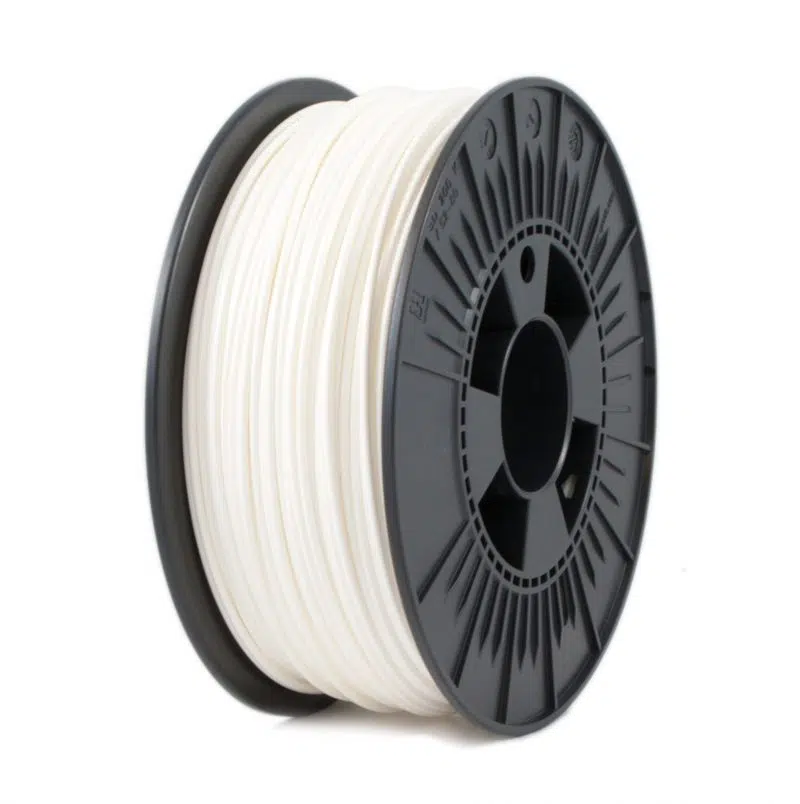
In the world of desktop 3D printing, PLA is one of the most popular materials. It’s easy to work with, melts at a low temperature, doesn’t give off strong fumes, and creates sharp, detailed prints. That’s why hobbyists and professionals alike choose PLA for prototypes, models, and creative projects.
Medical & Biomedical Applications
Because it’s biocompatible and safely degrades in the body, PLA plays an important role in modern medicine. It’s used for things like dissolvable stitches, slow‑release drug‑delivery capsules, and scaffolds in tissue engineering. Over time, it breaks down into harmless lactic acid inside the body.
Biodegradable Films & Flexible Packaging
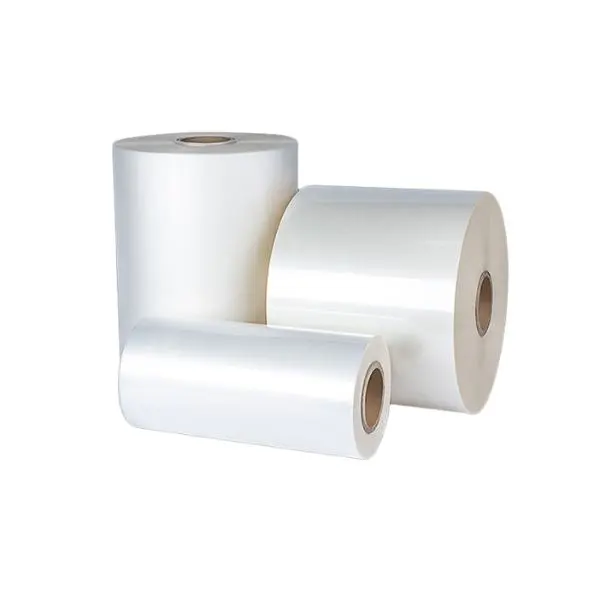
PLA can be turned into thin films used to wrap produce, seal food, or create compostable labels. It’s great for packaging that needs flexibility but also eco appeal. Think fruit wrap, shrink film, or even mailer bags that won’t stick around forever in a landfill.
Textiles, Fibers & Disposable Fabrics
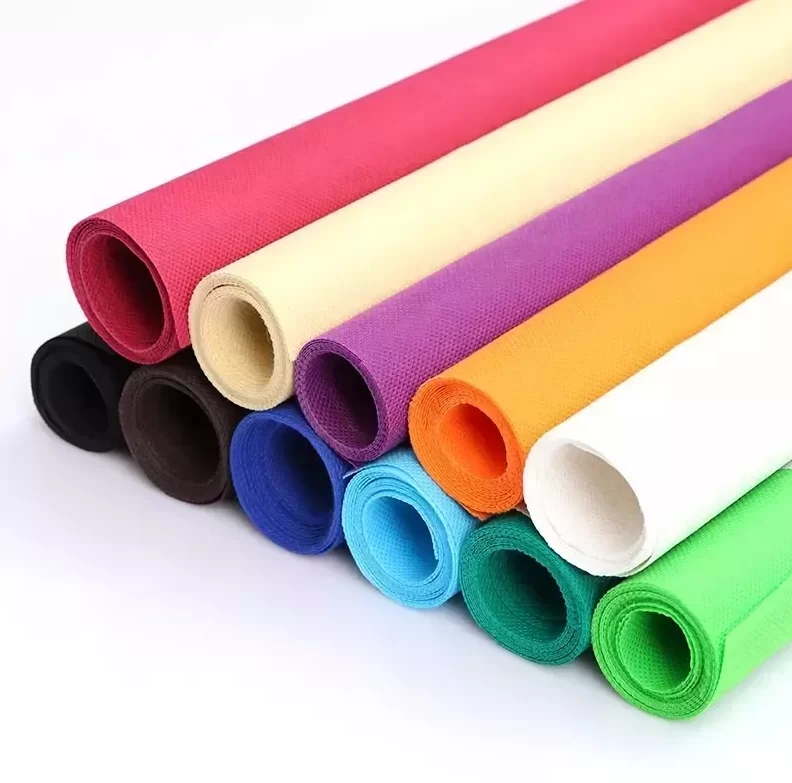
PLA fibers are being used in non‑woven fabrics, like wipes, disposable garments, and compostable masks. They offer a lower environmental impact compared to traditional polyester and are especially useful in single‑use items where biodegradability is a plus.
Differences Between PLA and Traditional Plastics
| Aspect | PLA (Polylactic Acid) | Traditional Plastics (e.g., PET, PE, PP) |
|---|---|---|
| Raw Materials | Made from renewable plants like corn or sugarcane | Made from fossil fuels (petroleum or natural gas) |
| Biodegradability | Compostable in industrial settings | Not biodegradable; persists for centuries |
| Carbon Footprint | Lower carbon emissions during production | Higher carbon emissions and environmental impact |
| Heat Resistance | Low heat resistance (softens ~55–65°C) | Generally higher heat resistance |
| Durability | More brittle; less impact resistant | Stronger and more impact resistant |
| Recycling Compatibility | Requires separate composting or specialized recycling | Widely recycled in conventional streams |
| Applications | Food packaging, 3D printing, medical uses | Broad industrial and consumer applications |
What Consumers Should Know Before Choosing PLA Products
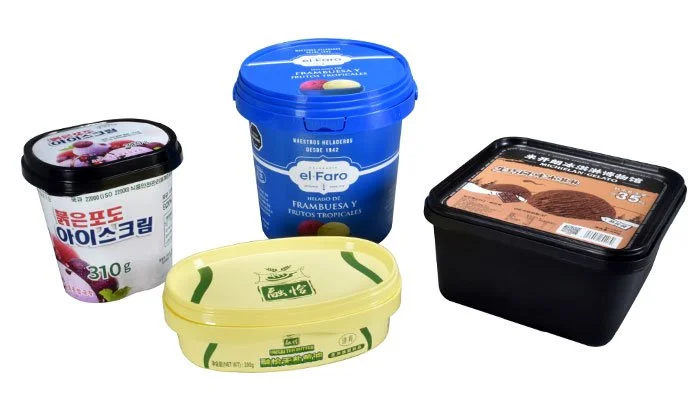
Look for Compostable Certification
Just because a product is labeled “bioplastic” doesn’t mean it’s compostable. Check for certified compostable logos and confirm whether your local area supports industrial composting.Understand Heat and Durability Limits
PLA products can warp or deform with heat. Avoid using them in microwaves, dishwashers, or for hot food and drinks unless labeled heat-safe.Recycling Isn’t Always an Option
PLA usually can’t go into regular recycling bins. It needs special composting or recycling streams — mixing it with traditional plastic can cause contamination.Make Informed Trade-Offs
PLA is eco-friendlier but less durable than plastic. If you’re using it for short-term needs like takeout containers or packaging, it’s a great option.Check Local Infrastructure for Composting
Compostable PLA only breaks down in the right setting. If your city lacks industrial composting, that green cup might still end up in a landfill.
Ready to Go Green with PLA Products?

Whether you’re a food brand, retailer, or eco‑conscious business, choosing PLA can help you reduce waste without sacrificing quality.
Have questions or want custom compostable packaging?
Contact us today — let’s build a cleaner, greener future together!
FAQs
Is PLA actually plastic?
Yes — PLA is technically a plastic. It’s a bioplastic, meaning it’s a polymer made from plant‑derived materials instead of fossil fuels.
What does PLA mean in 3D printing?
In 3D printing, “PLA” refers to Polylactic Acid filament — a popular, plant‑based plastic that melts at a low temperature, is easy to print, and gives good detail and layer adhesion.
Does PLA give off microplastics?
PLA has been shown to hydrolyze and biodegrade under the right composting or environmental conditions, so it does not create long‑lasting microplastics according to recent studies.
What is PLA mainly used for?
PLA is mainly used for food packaging and disposable tableware, compostable cutlery, 3D‑printing filament, bioplastics, and also medical applications — thanks to its biodegradability, renewability, and safety.


