


Forks are one of the most common tools on the dining table. People use them every day to eat meals, from simple snacks to fancy dinners. But forks are not all the same. Different occasions and foods often require different types of forks.
In many cultures, forks play an important role. In Western dining, forks are part of formal table settings and show good manners. In Asian dining, chopsticks are more common, but forks are still used in modern restaurants and international meals. This shows that forks are both practical and cultural.
Over time, forks have changed a lot. Long ago, people used forks made of silver or iron. Today, we have many more options, such as stainless steel, bamboo, and even disposable wooden forks. Each material gives a different look and feel. Some are strong and heavy, while others are light and eco-friendly.
Because of this, choosing the right fork can improve your dining experience. A small dessert fork makes eating cake easy. A strong steak fork helps you cut meat. A bamboo fork can reduce plastic waste. So, learning about fork types and materials can help you pick the best one for your needs.
Fork Materials Overview
As a fork supplier and wholesaler, we know that material is one of the first things customers look at. The choice of material does not just change how a fork looks. It also affects comfort, strength, and even price. Let’s look at the main materials used for forks today.
Traditional Metals (Stainless Steel, Silver)
Stainless steel is the most common material for everyday forks. It is durable, easy to clean, and works well for both home and restaurant use. Silver forks are less common but remain popular in luxury dining and formal events. They bring elegance to the table, but they need more care and polishing.
Eco-Friendly Options (Bamboo, Wooden)
In recent years, more businesses and families want sustainable products. Bamboo forks and wooden forks are popular because they are natural, biodegradable, and safe for the environment. Bamboo is especially strong and has natural antibacterial properties. Wooden forks have a warm look and are often chosen for casual dining, events, or take-out packaging.
Modern Materials (Plastic, Composite)
Plastic forks are cheap and easy to produce in large quantities. They are often used for fast food, parties, and one-time events. However, more customers are moving away from plastic due to environmental concerns. Composite materials, like biodegradable plastics or plant-based blends, are growing in demand as they combine convenience with eco-friendly benefits.
Impact of Material Choice
Every material serves a different purpose. Stainless steel lasts for years, bamboo gives an eco-friendly image, and plastic is cost-effective for short-term use. As wholesalers, we help clients choose the right option based on their market, budget, and brand values.
Read more:
Dinner Fork
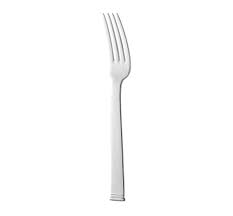
The dinner fork is the most common fork on the dining table. It is usually larger than other forks, with four long and straight tines. Because of its size, it is perfect for eating main dishes like meat, pasta, or rice.
In restaurants and hotels, the dinner fork is part of the standard table setting. Customers expect to see it next to the dinner plate. Families also keep dinner forks at home because they work well for almost every type of meal.
The design is simple but practical. A dinner fork needs to feel comfortable in the hand and strong enough to handle both soft and firm foods. That is why stainless steel is the most popular material for dinner forks. It is durable, shiny, and easy to wash. For luxury dining, silver dinner forks are sometimes chosen.
For eco-friendly markets, bamboo and wooden dinner forks are becoming more popular. They are light, natural, and disposable, making them a good choice for events, take-out meals, or catering businesses that want to reduce plastic waste.
As a supplier, we recommend that clients choose dinner fork materials based on their target market. For example:
- Hotels and restaurants → Stainless steel dinner forks for long-term use.
- Event planners or catering → Bamboo or wooden dinner forks for sustainability.
- Retail shops → Offer a mix, so customers can choose between reusable and eco-friendly disposable options.
The dinner fork may look simple, but it is the backbone of every table setting. It sets the tone for the dining experience and shows the quality of service or brand.
Salad Fork
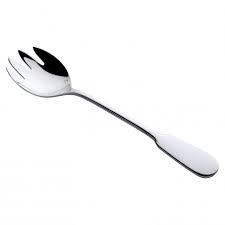
A salad fork is smaller than a dinner fork. It usually has shorter tines and a lighter design. People use it for salads, fruits, and light meals. On the dining table, the salad fork is often placed to the left of the dinner fork.
Common materials: Stainless steel is the most popular choice in restaurants and hotels. Plastic salad forks are also common for parties and casual events. However, many eco-conscious businesses are now replacing plastic with bamboo or wooden options.
Market data: In the catering and event industry, salad forks make up about 20–25% of fork usage, especially for buffets, outdoor parties, and healthy dining services. With the growing trend of plant-based diets, demand for salad forks is increasing.
For wholesalers, we suggest offering salad forks as part of a complete fork set. While stainless steel remains the standard for reusable sets, bamboo and wooden salad forks are becoming more attractive for take-out services and eco-friendly events.
Dessert Fork
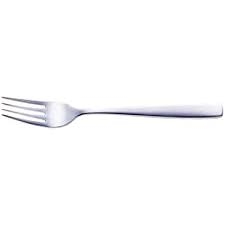
Dessert forks are smaller and lighter than both dinner and salad forks. They usually have three or four tines and are used for cakes, pastries, and other sweet dishes. In cafés, bakeries, and hotels, dessert forks are a must.
Materials: Stainless steel is the most common, but plastic and compostable forks are used for take-out desserts. Bamboo and wooden dessert forks are also gaining popularity in eco-friendly cafés and catering.
Market note: With the rise of coffee shops and dessert chains worldwide, dessert forks make up about 15% of fork demand in the food service sector.
Fish Fork

Fish forks are designed with a slightly wider left tine that helps remove bones from fish. They are often used in fine dining and seafood restaurants.
Materials: Silver and stainless steel are traditional. Disposable versions are less common, but some caterers now offer bamboo forks as an eco option for fish dishes at outdoor events.
Market note: Fish forks are a niche category, making up less than 10% of fork usage. However, they remain important for luxury dining experiences.
Bamboo Fork
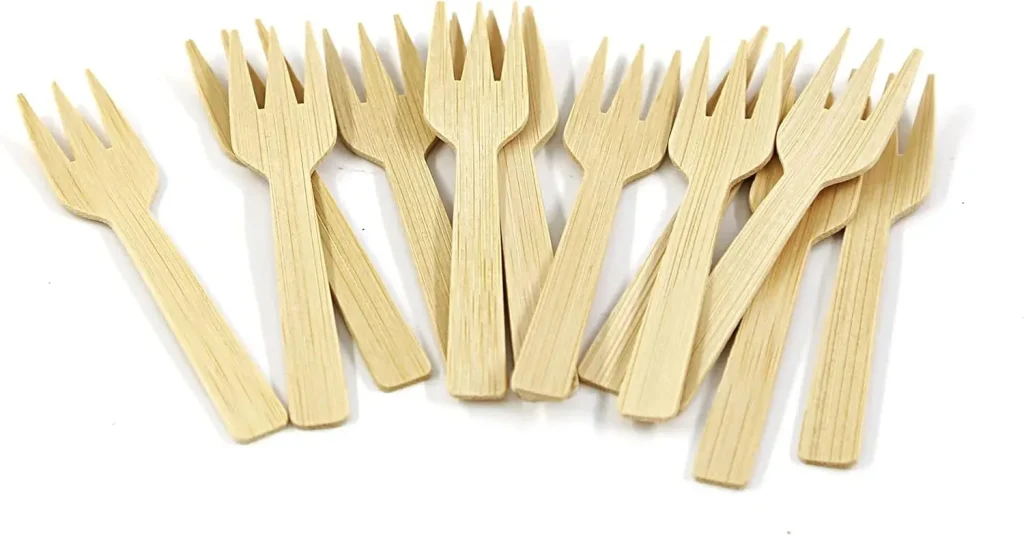
Bamboo forks have become one of the most popular eco-friendly alternatives to plastic and metal forks. As a supplier, we see strong demand from catering companies, restaurants, and wholesalers who want sustainable solutions.
1. A Sustainable Choice
Bamboo is a fast-growing plant, which makes it one of the most renewable resources in the world. Unlike plastic, bamboo forks break down naturally after disposal, leaving no harmful waste. Businesses that switch to bamboo forks show their customers they care about the environment.
2. Natural Antibacterial Properties
Bamboo contains natural antibacterial agents. This makes bamboo forks safer for food contact, especially in outdoor events, catering, and take-out meals. Customers also like the natural color and smooth surface, which give a fresh and clean look on the table.
3. Usage Scenarios
- Catering and Events: Bamboo forks are perfect for weddings, parties, and buffets because they are disposable yet stylish.
- Restaurants and Cafés: Many eco-conscious food businesses use bamboo forks for take-out and delivery.
- Retail Packs: Supermarkets and online shops sell bamboo fork sets for eco-friendly families.
4. Market Data
According to industry reports, the global market for bamboo cutlery is growing by more than 8% each year. Forks make up a large part of this demand, especially in Europe and North America, where single-use plastic bans are increasing.
5. Comparison with Metal Forks
- Durability: Metal forks last longer, but bamboo forks are better for one-time use.
- Weight: Bamboo forks are lighter, making them easy to carry for picnics and outdoor dining.
- Image: Bamboo shows an eco-friendly and natural brand image, while metal shows a luxury and permanent image.
6. Care and Storage
Although most bamboo forks are designed for single use, some customers prefer to reuse them. In that case, washing by hand and air-drying is best. Bamboo should be kept in a dry place to avoid mold.
Wooden Fork
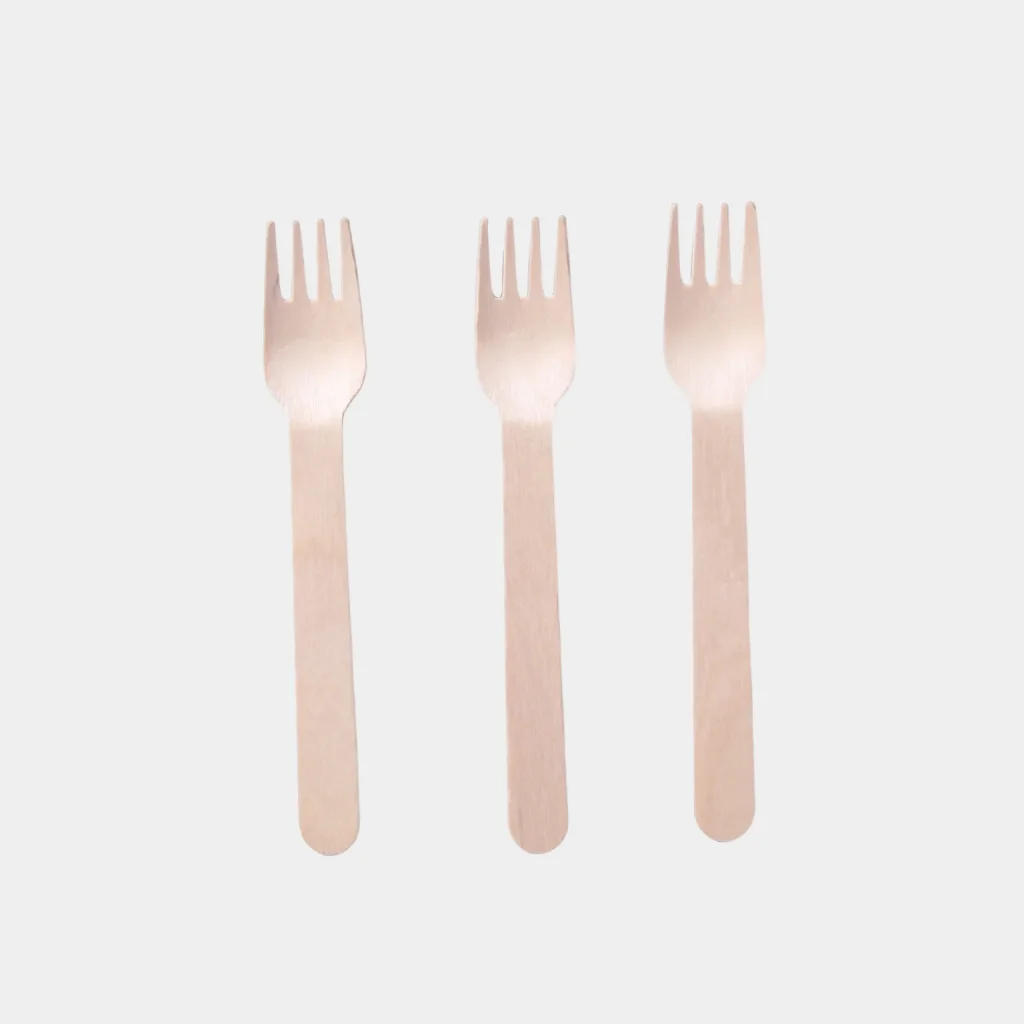
Wooden forks are another strong eco-friendly option in the cutlery market. As a supplier, we find that many wholesalers, restaurants, and catering services prefer wooden forks because of their natural look and wide availability.
1. Warm and Natural Feel
Unlike cold metal or sharp plastic, wooden forks give a warm, natural touch. Customers often connect wood with comfort and authenticity. This makes wooden forks popular in casual dining, organic restaurants, and outdoor events.
2. Types of Wood
Different types of wood bring different qualities:
- Birch: Smooth, light-colored, and often used for disposable forks.
- Pine: Softer and lightweight, good for bulk production.
- Hardwoods (like beech or maple): Stronger and longer-lasting, sometimes used for semi-reusable forks.
3. Handcrafted vs. Machine-Made
Some wooden forks are handmade, which gives them a unique and artisanal look. Others are machine-made in large volumes, which ensures consistent shape and lower price. As wholesalers, we usually supply machine-made wooden forks because they are ideal for bulk orders.
4. Usage Scenarios
- Catering & Events: Wooden forks are a good match for eco-friendly events, street food festivals, and outdoor parties.
- Take-out & Delivery: Many food delivery businesses use wooden forks to replace plastic.
- Retail Packs: Families who want a plastic-free lifestyle buy wooden fork sets for daily meals and picnics.
5. Market Data
The global wooden cutlery market is expected to reach over USD 300 million by 2030, with forks being a large share. Demand is rising in North America and Europe, especially where single-use plastic bans are in place.
6. Care & Lifespan
Most wooden forks are disposable. However, if reused, they should be washed quickly and dried right away. Proper care can extend the lifespan to several uses, but over time, wood may absorb moisture and lose strength.
7. Eco Advantages
Wooden forks are biodegradable, compostable, and renewable. This makes them an excellent choice for businesses that want to show strong environmental responsibility. Compared to plastic, they reduce waste. Compared to bamboo, they are easier to source and often cheaper in large volumes.
Cocktail Fork

What is a 2 prong fork called?
The cocktail fork is a small two-prong fork used for appetizers, seafood, and bar snacks. Its sharp points make it easy to pick up olives, shrimp, or small fruits at parties.
Materials: Stainless steel is common in bars and restaurants. Bamboo and wooden cocktail forks are popular for parties and catering because they look natural and are disposable.
Market note: Cocktail forks represent a small but steady market, making up around 5–7% of fork sales, mostly in hospitality and catering services.
Steak Fork

The steak fork is designed with sharp tines to help cut and hold meat. It is often paired with a steak knife in restaurants and steakhouses.
Materials: Stainless steel dominates this category because it is durable and can handle tough meat. Bamboo or wooden steak forks are less common but sometimes used in outdoor barbecues and catering for a rustic look.
Market note: Steak forks are mostly found in the restaurant sector, with steady demand in North America, South America, and Europe where steak is popular.
Pasta Fork
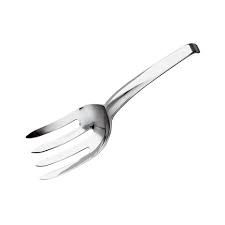
The pasta fork is made with long tines and special spacing to help twirl noodles. It is popular in Italian dining and is often included in full cutlery sets.
Materials: Stainless steel is most common for long-term use. Some disposable versions are available in bamboo or wood for Italian-themed events and eco-friendly catering.
Market note: Pasta forks are a niche category, making up less than 10% of global fork demand, but they are essential in Italian restaurants and hotels.
Fruit Fork

What is a 3 prong fork called?
Fruit forks usually have three short tines, making them ideal for eating sliced fruit or small desserts. They are often smaller than salad forks and used in both homes and cafés.
Materials: Stainless steel is standard for reusable sets, while bamboo and wooden fruit forks are popular for take-out fruit cups and catering.
Market note: Fruit forks are growing in demand as healthy eating trends rise. They make up about 12–15% of fork usage in casual dining and retail packs.
Etiquette & Culture
Forks are not only tools for eating, but also part of dining culture and etiquette. Knowing how to use the right fork at the right time shows respect and good manners. For businesses such as restaurants, hotels, and catering services, offering the correct fork also improves customer experience.
1. Western Dining Etiquette
In Western dining, forks have a clear order and placement. The dinner fork is usually placed to the left of the plate. The salad fork and dessert fork are smaller and placed either outside or above the plate. Guests use the outermost fork first and move inward with each course. This “outside-in” rule is standard in formal dining.
For businesses, providing the right fork in the right position is not just about function—it also shows professionalism. A well-set table with matching forks can upgrade the dining atmosphere immediately.
2. Cultural Differences
Not all cultures rely on forks. In Asia, chopsticks are more common. In the Middle East, people often eat with bread or by hand. However, forks have become global because of international dining and travel. Many restaurants worldwide mix chopsticks, spoons, and forks in one setting to meet customer needs.
As suppliers, we see growing demand for bamboo and wooden forks in Asian and Middle Eastern markets where disposable eco-friendly cutlery is needed for take-out and catering.
3. Formal Occasions
At weddings, corporate dinners, or luxury events, using the proper fork matters. Guests notice the details. A stainless steel or silver dinner fork shows elegance, while bamboo or wooden forks can be chosen for eco-themed events or outdoor celebrations. The choice of material not only fits the food but also communicates the event’s values—luxury, casual, or sustainable.
Forks Trends & Future
The future of cutlery is moving toward sustainability, and bamboo and wooden forks are leading this trend. As more countries ban single-use plastic, businesses are searching for safe, natural, and eco-friendly alternatives.
1. Bamboo Forks – Fast Growth in Eco Markets
Bamboo forks are gaining strong attention because bamboo grows quickly and has natural antibacterial properties. The market for bamboo cutlery is expanding at more than 8% growth per year, especially in Europe and North America. Many catering companies and restaurants choose bamboo forks to highlight their eco-friendly image. Large retailers are also adding bamboo fork sets to their product lines. For wholesalers, this means steady demand and opportunities for bulk orders.
2. Wooden Forks – Reliable and Cost-Effective
Wooden forks remain a reliable choice because they are widely available, easy to produce in bulk, and often more affordable than bamboo. The global wooden cutlery market is expected to pass USD 300 million by 2030. Many food delivery services already use wooden forks to replace plastic in take-out packaging. For wholesalers, wooden forks are a strong entry-level eco product with wide application in everyday dining, retail, and catering.
3. Long-Term Outlook
Both bamboo and wooden forks will continue to grow as sustainable dining becomes the new standard. Businesses that switch early can strengthen their brand image and attract eco-conscious customers. As suppliers, we believe bamboo and wooden forks will not only replace plastic but also set the tone for the future of disposable cutlery.
Conclusion
Choosing the right fork is more than picking a tool—it is about improving the dining experience and showing care for the environment. Different forks serve different purposes. Small forks help with desserts and fruits, large forks handle main dishes, and specialty forks like cocktail or pasta forks make eating easier and more elegant.
As a supplier and wholesaler, we see the growing importance of bamboo and wooden forks. They are not only eco-friendly and biodegradable, but also popular with businesses that want to show sustainability to their customers. Bamboo forks offer fast growth and natural antibacterial properties, while wooden forks are cost-effective, widely available, and versatile for events, take-out, and retail.
For businesses and catering services, selecting the right fork means balancing functionality, customer experience, and environmental responsibility. Bulk orders of bamboo and wooden forks allow you to meet demand, reduce plastic waste, and strengthen your brand’s eco-friendly image.
Ultimately, providing the right fork enhances every meal, supports sustainability, and helps your business stay ahead in the growing eco-conscious market.
Partner with Anzhu for high-quality Forks

Ready to switch to eco-friendly cutlery? Partner with Anzhu for high-quality bamboo and wooden forks. Whether you need bulk orders for catering, restaurants, or retail, we provide durable, stylish, and sustainable solutions. Contact us today to place your wholesale order!


