


What Is a Bamboo Comb?

A bamboo comb is a hair care tool made from natural, renewable bamboo rather than plastic or metal. These combs come in different styles, from fine-tooth to wide-tooth designs, and are crafted to be gentle on both hair and scalp.
More people are switching to bamboo combs because they offer more than just function—they’re eco-friendly, biodegradable, and stylish. Unlike plastic, bamboo doesn’t generate static or cause frizz. Unlike metal, it’s light, smooth, and safe to use every day. By choosing bamboo, users reduce waste, avoid harmful materials, and support a sustainable lifestyle.
Key Benefits of Bamboo Combs

Switching to a bamboo comb isn’t just about sustainability—it also brings real benefits for your hair and scalp. Here’s why bamboo combs are worth the upgrade:
Durability and Longevity
Bamboo is naturally strong and resistant to daily wear. Unlike plastic combs that bend or snap over time, bamboo combs last longer, making them a cost-effective and eco-friendly choice.
Anti-Static and Frizz Control
Plastic often causes static, which leads to flyaways and frizz. Bamboo combs reduce static buildup, keeping your hair smoother and easier to manage.
Natural Antibacterial and Antifungal Properties
Bamboo naturally resists bacteria and fungi, which helps keep your scalp cleaner and healthier. This means fewer scalp irritations and a fresher grooming experience.
Improved Hair Growth and Reduced Breakage
The rounded bamboo teeth gently massage the scalp, stimulating circulation to encourage healthy hair growth. At the same time, they glide smoothly through strands, reducing tugging and breakage.
Bamboo Combs vs Other Materials

| Material | Key Pros | Key Cons | Best For |
|---|---|---|---|
| Bamboo | Anti-static, lightweight, durable, renewable & eco-friendly; gentle on scalp. | Avoid soaking; may need occasional oiling to keep finish smooth. | Everyday use, frizz control, sustainable swaps. |
| Plastic | Low cost, widely available, many shapes. | Static/frizz, prone to snapping, higher environmental impact. | Short-term or backup combs on a tight budget. |
| Wood | Low static, smooth teeth, comfortable grip. | Heavier than bamboo; hardwoods grow slower (less renewable). | Home grooming with a premium, classic feel. |
| Metal | Very durable; thin teeth for precise parting. | Can pull/snatch hair; harsh on scalp; conducts heat. | Styling/sectioning tasks by pros—use gently. |
When choosing the right comb, the material matters more than most people realize. Let’s look at how bamboo compares with plastic, wood, and metal combs.
Bamboo vs Plastic Combs
Plastic combs are cheap and easy to find, but they often cause static, leading to frizz and flyaways. They also break easily and add to plastic waste. Bamboo combs, on the other hand, are sturdier, eco-friendly, and anti-static—offering both better performance and a lower environmental impact.
Bamboo vs Wooden Combs

Wooden combs share many benefits with bamboo, such as being gentle on hair and scalp. However, bamboo is lighter, more sustainable, and grows faster than most hardwoods used for combs. This makes bamboo a more renewable and practical choice for daily use.
Bamboo vs Metal Combs
Metal combs can be durable, but they’re often harsh on the scalp and may pull or snag hair. They also conduct heat, which isn’t ideal for sensitive scalps. Bamboo combs are smoother, gentler, and provide a comfortable combing experience without the downsides.
In short, bamboo combs strike the best balance: strong, lightweight, eco-friendly, and kind to your hair.
Types & Styles of Bamboo Combs
Not all bamboo combs are the same—different designs serve different hair needs and preferences. From tooth width to handle style, the right choice makes a big difference in daily grooming. Here’s a breakdown of the most common types:
Wide-Tooth Bamboo Combs

These are perfect for detangling wet hair, curls, or thick textures. The wider spacing helps prevent breakage and keeps hair smooth without tugging.
Fine-Tooth Bamboo Combs

Designed for precision, fine-tooth combs are great for parting, smoothing edges, or working with thinner hair. They provide control when styling and finishing.
Mixed-Tooth Designs
Some combs combine wide and fine teeth in one tool. This versatile style allows you to detangle and style with the same comb, making it a convenient all-in-one option.
Handle Styles
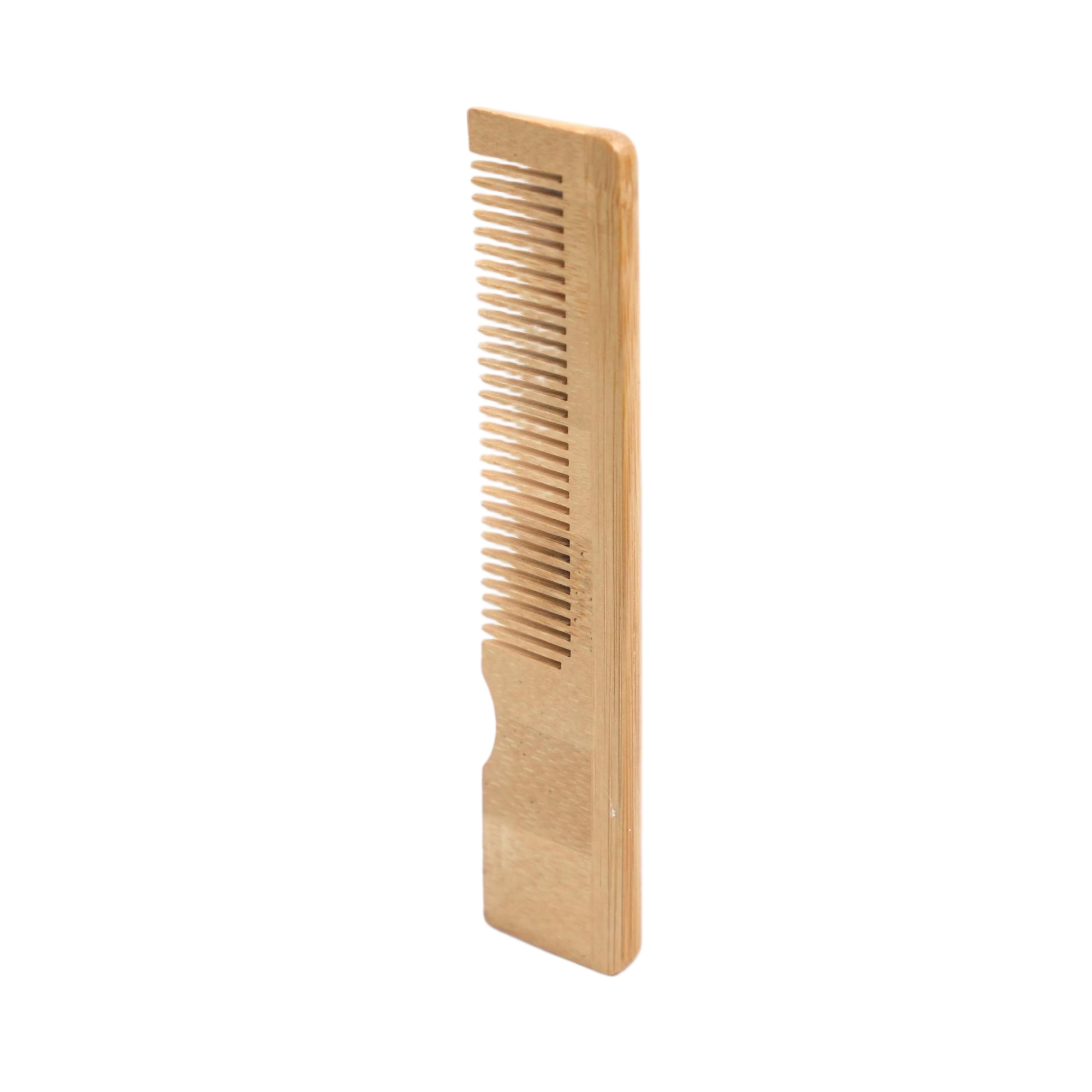
Paddle handles: Wide and sturdy, perfect for home use and salon care.
Travel-size handles: Compact, easy to carry in a bag or pocket.
Curved or ergonomic handles: Designed for comfort, especially useful during longer grooming sessions.
Finishes
Untreated bamboo: Natural and rustic, often chosen for an authentic eco-friendly feel.
Oiled finishes: Protect the bamboo, add smoothness, and extend durability.
Lacquered finishes: Rare in eco products but sometimes used for extra shine and water resistance.
In short, whether you need a comb for detangling thick curls, styling fine strands, or carrying in your travel kit, there’s a bamboo comb style designed to fit the job.
Cleaning & Maintenance

Taking care of a bamboo comb is simple, but it makes all the difference in how long it lasts and how well it works. With just a few easy steps, you can keep your comb in top condition while also protecting your hair and scalp.
Daily Cleaning
After each use, remove any loose hairs caught between the teeth. Rinse the comb under lukewarm water if needed, and gently pat it dry with a towel. Always let it air-dry completely before storing to prevent moisture buildup.
Deep Cleaning & Oiling
Every few weeks, give your comb a deeper clean. Use mild soap and water, scrubbing gently with a soft brush to clear out any buildup. After drying, you can rub in a light coat of natural oil (like coconut or jojoba) to nourish the bamboo and keep it from drying or cracking.
Proper Storage
Store your bamboo comb in a cool, dry place. Avoid leaving it in damp bathrooms or exposing it to direct sunlight, as this can cause warping or mold growth. A cloth pouch or wooden storage box can add an extra layer of protection.
Environmental & Ethical Considerations

Choosing a bamboo comb isn’t just good for your hair—it’s also good for the planet. Bamboo is one of the fastest-growing renewable resources in the world, often reaching maturity in just 3–5 years. Unlike many crops, it requires little to no pesticides or fertilizers, making it a low-impact, sustainable choice.
Even at the end of its life cycle, a bamboo comb breaks down naturally without leaving harmful plastic waste behind. Compared to conventional plastic combs, which can sit in landfills for hundreds of years, bamboo combs are a biodegradable and eco-conscious alternative.
By maintaining your comb properly and choosing bamboo over plastic, you’re supporting both personal well-being and a healthier planet.
How to Choose the Right Bamboo Comb for You

Not all bamboo combs are the same, and the best choice depends on your hair, lifestyle, and personal taste. Here’s how to pick the right one:
Hair Type
Curly or Thick Hair – A wide-tooth bamboo comb helps detangle without pulling or breaking strands.
Fine or Straight Hair – A fine-tooth comb keeps styles neat and smooth, offering precision and control.
Mixed Hair Needs – Dual-tooth designs combine both options, giving you flexibility in one tool.
Lifestyle & Travel Needs
If you’re often on the go, choose a compact travel-size comb that fits easily in your bag or pocket. For daily home use, paddle or ergonomic handle designs provide extra comfort and ease during long brushing sessions.
Design Preferences & Price Range
Bamboo combs come in a variety of finishes—natural matte, oiled for shine, or lacquered for extra durability. Pick a style that matches your aesthetic. Prices can vary depending on craftsmanship and design, but bamboo combs remain affordable while offering long-lasting value.
With the right bamboo comb, you’ll not only care for your hair more effectively but also enjoy a tool that fits seamlessly into your lifestyle.
Troubleshooting & Common Myths

Even though bamboo combs are strong and eco-friendly, there are still a few myths and small issues worth clearing up.
Common Myths
“Bamboo combs can’t break.” While bamboo is durable, it isn’t indestructible. With heavy pressure or misuse, the teeth can still splinter.
“All bamboo combs are the same.” Not true—quality depends on sourcing, craftsmanship, and finish. Premium combs often last longer and feel smoother on the scalp.
Troubleshooting Tips
If teeth splinter – Lightly sand the area with fine-grit sandpaper and apply a drop of natural oil to seal and smooth it.
If the comb warps – This usually happens when left in water or damp places. Dry it thoroughly in a well-ventilated area, and oil it occasionally to restore shape and strength.
If mold appears – Wipe with diluted vinegar, dry completely, and store in a dry spot to prevent future buildup.
With proper care and realistic expectations, bamboo combs remain a reliable, eco-friendly tool for healthy hair care.
Ready to Switch to Bamboo Combs?
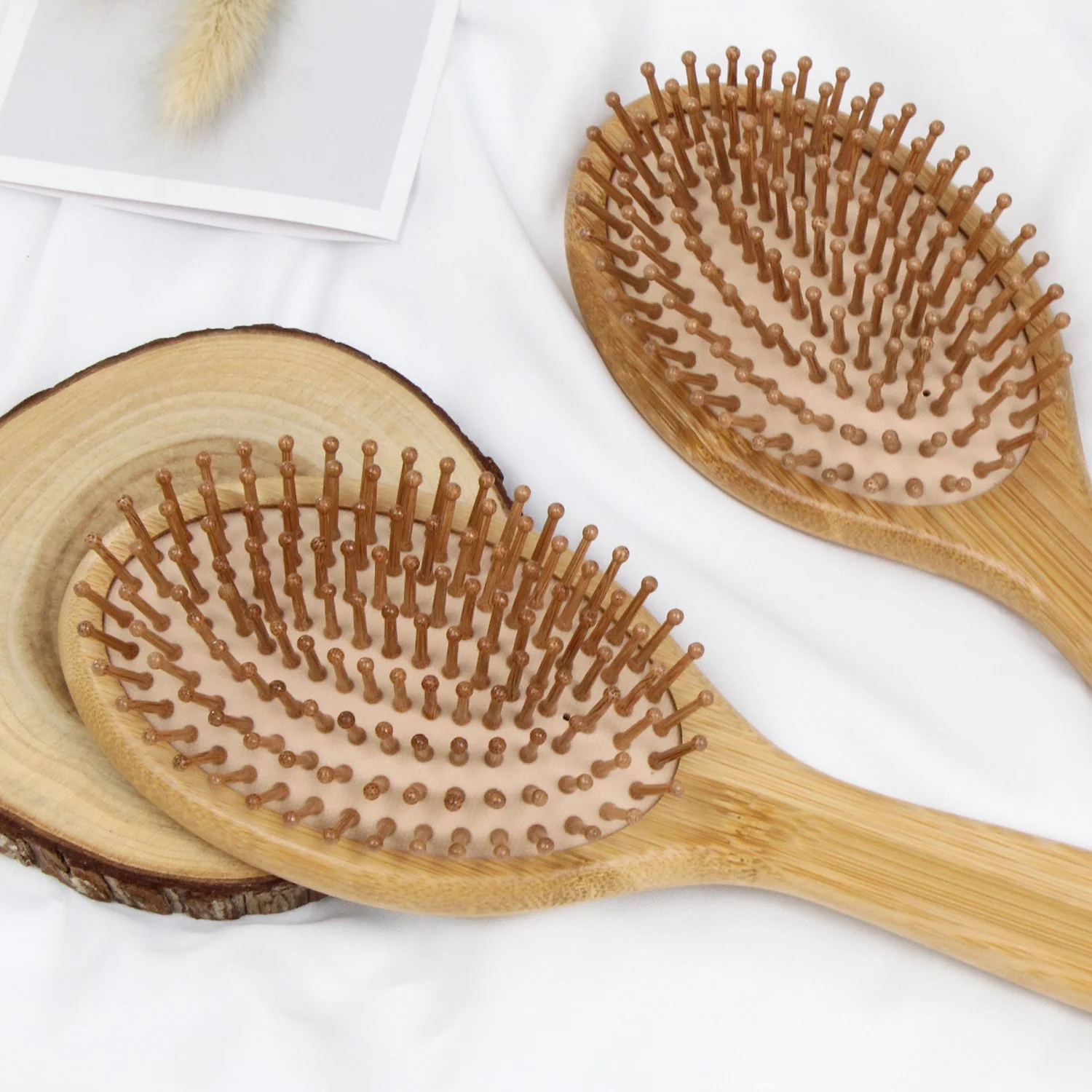
Choosing a bamboo comb isn’t just about styling your hair—it’s about making a sustainable choice that’s healthier for you and better for the planet. Whether you’re a salon owner looking for eco-friendly alternatives or a brand interested in custom-branded bamboo combs, we’re here to help.
Contact us today to explore bulk orders, customization options, and wholesale partnerships. Together, we can bring natural, sustainable hair care to more people while reducing plastic waste.
FAQs About Bamboo Comb
How to use a bamboo comb?
Start detangling from the ends and work up to the roots. Clean and dry it regularly to keep it in good condition.
Is a bamboo comb good for your hair?
Yes, it reduces static, frizz, and breakage while distributing natural oils. It’s gentler than plastic combs and better for scalp health.
Can I use a bamboo comb on wet hair?
Wide-tooth bamboo combs work well on damp hair if used gently. Just dry the comb after use to prevent warping or mold.
How to use Chinese wooden comb?
Use it to detangle hair gently while massaging the scalp. Daily strokes are believed to improve circulation and promote relaxation.


