


What Is a Fork?

The fork is one of the oldest and most familiar dining tools around the world. It started as a cooking and serving tool in ancient civilizations — including Egypt, Greece, and Rome — but didn’t become a standard table utensil in Europe until the Byzantine Empire. Over time, it made its way to Italian and French dining tables, then spread across the globe.
A traditional fork has a long handle and 3–4 sharp prongs (called tines). Its job? Spearing, lifting, and separating food. Forks are great for solid foods like meats, veggies, and pasta. They’re especially useful when used with a knife to cut and handle tougher or slippery foods. Whether you’re twirling spaghetti or enjoying a steak, the fork gives you control and precision.
What Is a Spork?

A spork is a clever hybrid between a spoon and a fork — designed to handle a bit of both. It has a spoon-like bowl with short tines at the tip, letting you scoop and poke food with one tool.
The idea behind the spork has been around for over a century. Early versions, like “ice cream forks” and “terrapin forks,” popped up in the 1800s. The more modern spork design was patented in 1874 and gained popularity in the 20th century, especially for school lunches, fast-food meals, and camping gear.
Today, you’ll often see sporks made from plastic in disposable cutlery sets. But eco-friendly sporks made of bamboo, compostable bioplastics, or stainless steel are becoming more popular for those looking to reduce waste. Sporks are especially handy when you need both a spoon and fork — but only want to carry one item.
Key Differences Between Fork and Spork
| Aspect | Fork | Spork |
|---|---|---|
| Design | Long handle, 3–4 prongs | Spoon shape with short tines |
| Function | Best for piercing, cutting, lifting | Good for scooping and poking |
| Use Case | Dining, restaurants, formal meals | Take-out, camping, school lunches |
| Material Options | Metal, plastic, bamboo | Plastic, bamboo, compostable |
| Eating Experience | Precise and stable for solids | Convenient but less precise |
While forks and sporks might seem similar at a glance — especially if you’ve seen them in take-out sets — they’re designed for different purposes and shine in different situations. Let’s break down what sets them apart.
1. Design & Shape
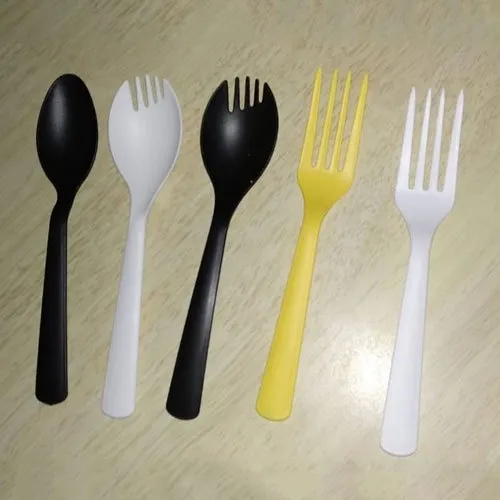
Fork: Features 3 or 4 long, narrow tines. It’s flat and made for stabbing, lifting, and separating solid foods like salad, pasta, or meat.
Spork: Combines a shallow spoon bowl with short fork tines. It’s great for scooping soft foods (like rice or stew) and lightly poking small items — but it doesn’t pierce as deeply as a regular fork.
2. Functionality

Fork: Offers better control for cutting and twirling food. Often used with a knife for meals that require slicing or handling firm textures.
Spork: Offers convenience for mixed meals like soup with chunks or rice dishes. It saves space and works best when you need to scoop and poke at the same time.
3. Usage Situations

Fork: Common at restaurants, homes, and formal settings. Also standard in multi-piece cutlery sets.
Spork: Popular in fast food, school lunches, camping, and travel kits — anywhere you want to carry less but still eat well.
4. Material Options

Forks: Typically made from stainless steel, but also available in plastic, bamboo, or compostable materials.
Sporks: Usually plastic in disposables, but now available in bamboo or biodegradable materials for eco-conscious use.
5. Eating Experience
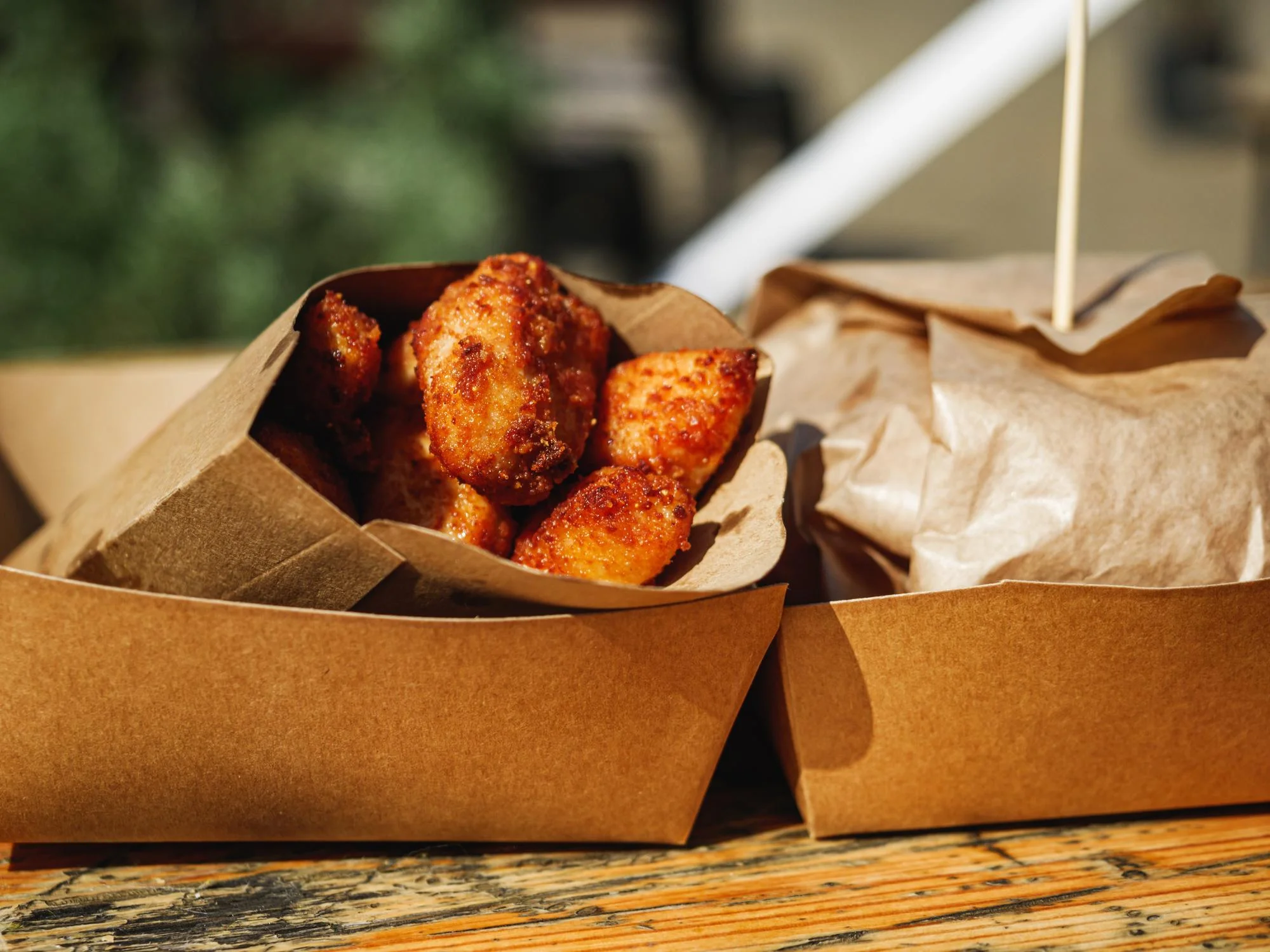
Fork: Offers precision, control, and ease when eating solid foods.
Spork: A versatile backup, but not ideal for cutting or fully replacing a fork or spoon for all meals.
When to Choose a Fork — Situations & Use Cases

A classic fork is your go-to when the meal calls for precision and control. Think of dishes that need spearing, cutting, or handling with a bit of finesse.
Formal dining settings: Forks are part of the traditional table setup, especially for multi-course meals.
Meals requiring cutting or handling solids: Steak, grilled chicken, roasted veggies, and pasta with meatballs all work better with a fork.
Salads or layered dishes: A fork helps separate, lift, and combine different textures in each bite.
Comfort over convenience: If you’re eating at home, in a restaurant, or don’t mind using a knife too, forks offer comfort and control.
A fork gives you clean, confident bites — ideal when table manners or eating precision matters.
When to Choose a Spork — Best Contexts & Use Cases

The spork is the ultimate multitasker — perfect when you’re on the move or need one tool that does it all.
Travel, camping, hiking: A lightweight, all-in-one utensil that saves space and effort.
Fast food & take-out meals: From mac & cheese to rice bowls with sauce, sporks get the job done with less mess.
Packed lunches for school or work: Especially useful for kids or quick meals where switching utensils isn’t ideal.
Soups, stews, or saucy dishes with solids: Sporks scoop and poke — handling both liquids and bits in one motion.
Eco-conscious occasions: Compostable or reusable sporks reduce waste and simplify cleanup at events, festivals, or large gatherings.
If you value ease, portability, and fewer utensils to wash or throw away, the spork shines.
Ready to Choose the Right Utensils?
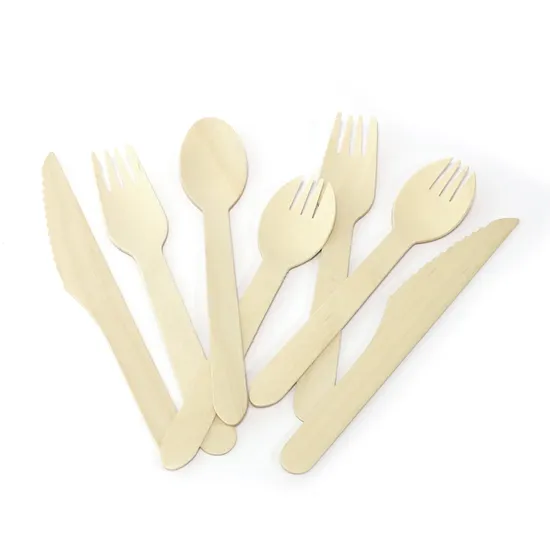
Looking for high-quality compostable forks, sporks, or other eco-friendly cutlery for your café, takeaway business, or event?
Contact us today to explore sustainable, custom-branded options that suit your needs — and help reduce plastic waste in every bite.
FAQs
Why don’t the Japanese use forks?
Many Japanese people use chopsticks because traditional Japanese food is cut into bite‑sized pieces — so knives and forks aren’t needed. Chopsticks also match the cultural history and dining customs in Japan.
Is “Forky” a fork or a spork?
If by “Forky” you mean a utensil shaped like a fork (tines, no spoon bowl) — that’s a fork. A spork, by contrast, blends a spoon’s bowl with fork-like tines.
Why do Americans hold forks differently?
In the U.S., many people use the “cut‑and‑switch” style: knife in right hand to cut, then fork in right hand (after switching) to eat. This differs from the European style, where fork stays in left hand and tines stay down.
What do British people call cutlery?
In British English, the general term is “cutlery” — referring collectively to forks, knives, spoons (and similar eating utensils).


