A sushi mat, known as a makisu in Japanese, is a simple but essential tool used to roll sushi neatly and evenly. Traditionally, it’s made from thin bamboo sticks tied together with cotton string, giving it a flexible yet sturdy structure that molds the rice and fillings into tight rolls.

In modern kitchens, silicone sushi mats have also become popular—they offer the same rolling function but with a non-stick surface and easier cleanup. Whether bamboo or silicone, the sushi mat plays a key role in shaping your sushi, helping you get professional-looking results right at home.
Bamboo Sushi Mat
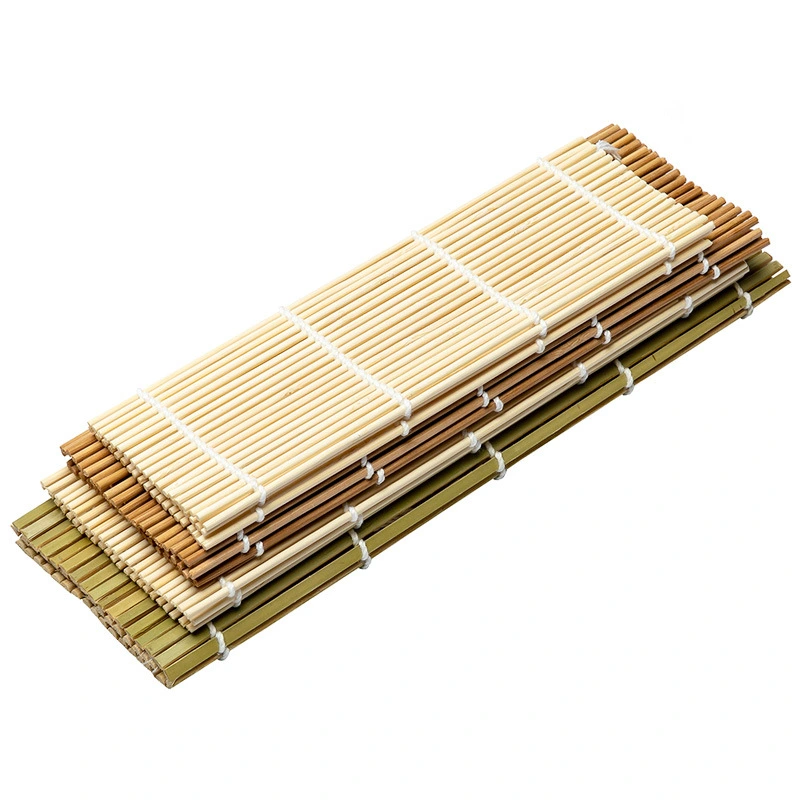


Bamboo sushi mats are the traditional choice for making sushi, loved by chefs and home cooks alike. Made from slender bamboo slats tied together with cotton string, they’re naturally flexible, allowing you to shape sushi rolls tightly and precisely. They also give you that authentic sushi-making experience, perfect for those who value tradition. Bamboo mats come in two common styles—thin slats for delicate rolls and flat slats for sturdier, thicker rolls.
Advantages:
Natural flexibility for tight, precise rolls
Authentic, professional sushi-making feel
Available in thin or flat slat designs for different roll styles
Drawbacks:
Harder to clean—rice can stick between slats
Must be dried thoroughly to prevent mold
Silicone Sushi Mat
![]()
![]()
![]()
Silicone sushi mats are a modern alternative designed for convenience and hygiene. Made from flexible, food-grade silicone, they feature a smooth, non-stick surface that makes rolling easier—especially for beginners. They’re also dishwasher-safe, so cleanup is quick and hassle-free. Plus, their non-porous surface resists mold and absorbs no odors.
Advantages:
Easy to clean (dishwasher-safe)
Hygienic and mold-resistant
Non-stick surface helps prevent rice from clinging
Drawbacks:
Less flexible than bamboo
Can slip during rolling and feel less natural in hand
Key Differences Between Silicone and Bamboo Sushi Mats
| Aspect | Bamboo Sushi Mat | Silicone Sushi Mat |
|---|---|---|
| Flexibility & Rolling Precision | Highly flexible, allows tight, precise rolls with consistent pressure. | Bendable but less snug; may be harder for beginners to achieve tight rolls. |
| Cleaning & Maintenance | Rice can stick between slats; must be hand-washed and air-dried fully. | Non-porous, easy to rinse, and dishwasher-safe for hassle-free cleaning. |
| Hygiene & Mold Resistance | Prone to retaining moisture; risk of mold if not dried properly. | Resists mold, odors, and stains; more hygienic for long-term use. |
| Authenticity & Experience | Traditional tool used by sushi chefs; offers an authentic tactile feel. | Smoother texture; may slip and feel less natural for traditionalists. |
| Durability & Longevity | Can last years with care but prone to fraying and slat damage over time. | Highly durable, resistant to wear, and requires minimal maintenance. |
When it comes to making sushi at home, both silicone and bamboo mats can get the job done—but they work very differently. Here’s how they compare so you can decide which one’s right for you.
1. Flexibility and Rolling Precision


Bamboo mats are naturally flexible, allowing you to wrap sushi rolls tightly with consistent pressure. The slats bend just enough to help shape the rice and fillings without crushing them.
Silicone mats, while bendable, don’t wrap as snugly, which can make tight rolls a bit trickier for beginners aiming for restaurant-quality results.
2. Cleaning and Maintenance
![]()
![]()
![]()
This is where silicone really shines. Bamboo mats tend to trap rice between slats and absorb moisture, which can lead to mold if not dried properly.
Silicone mats are non-porous, easy to rinse, and completely dishwasher-safe—no soaking or scrubbing required.
3. Hygiene and Mold Resistance


Because bamboo is a natural material, it’s more prone to retaining moisture and developing mold if stored damp.
Silicone mats resist mold, odors, and stains, making them a safer long-term choice in terms of hygiene—especially in humid climates.
4. Authenticity and Experience


If you want the feel of traditional sushi-making, bamboo wins hands down. It’s been the go-to for Japanese chefs for centuries, offering a tactile experience that silicone can’t quite replicate.
Silicone feels smoother and can slip more easily, which might feel less natural for sushi purists.
5. Durability and Longevity


With good care, a bamboo mat can last for years, but it’s more vulnerable to fraying strings and splitting slats over time.
Silicone mats are highly durable, resistant to wear, and less likely to degrade with regular use—making them a low-maintenance option.
How to Choose the Right Sushi Mat?
![]()
![]()
![]()
Picking the right sushi mat depends on your rolling style, kitchen habits, and cleaning preferences. Here’s a quick guide to help you decide:
Choose bamboo if you love the traditional sushi-making experience, want tight and precise rolls, and don’t mind hand-washing and drying after each use.
Go for silicone if you prioritize quick cleanup, dishwasher-safe convenience, and better resistance to mold and odors.
Try a hybrid approach by using a bamboo mat wrapped in plastic film—this keeps the authentic feel while making cleanup much easier.
Whichever you choose, pairing it with the right rice texture and fresh ingredients is the real key to sushi success.
Ready to Roll Like a Pro?


Whether you’re looking for a traditional bamboo mat, a modern silicone version, or both, we’ve got options that suit every chef’s style.
Contact us today to explore our sushi-making tools and get expert tips for perfect rolls every time!
FAQs
What is the best kind of sushi mat?
Bamboo mats are often considered the best for making tight, professional-quality sushi rolls—offering authentic flexibility and traditional rolling feel.
Can I roll sushi with a silicone mat?
Yes, you can—silicone mats are hygienic, easy to clean, and dishwasher-safe, making them a practical alternative, though less flexible than bamboo.
How to wash a bamboo sushi mat?
Hand-wash your bamboo sushi mat gently using warm, soapy water; scrub off residue and rinse thoroughly, then air-dry completely to prevent mold.
How to use a bamboo sushi mat?
To use properly, place the mat with bamboo slats running horizontally and cotton threads vertically; lay nori seaweed on it, layer rice and fillings, then roll it using the mat’s flexible shape to create tight, even sushi rolls.


