


What Are Paper Sticks?
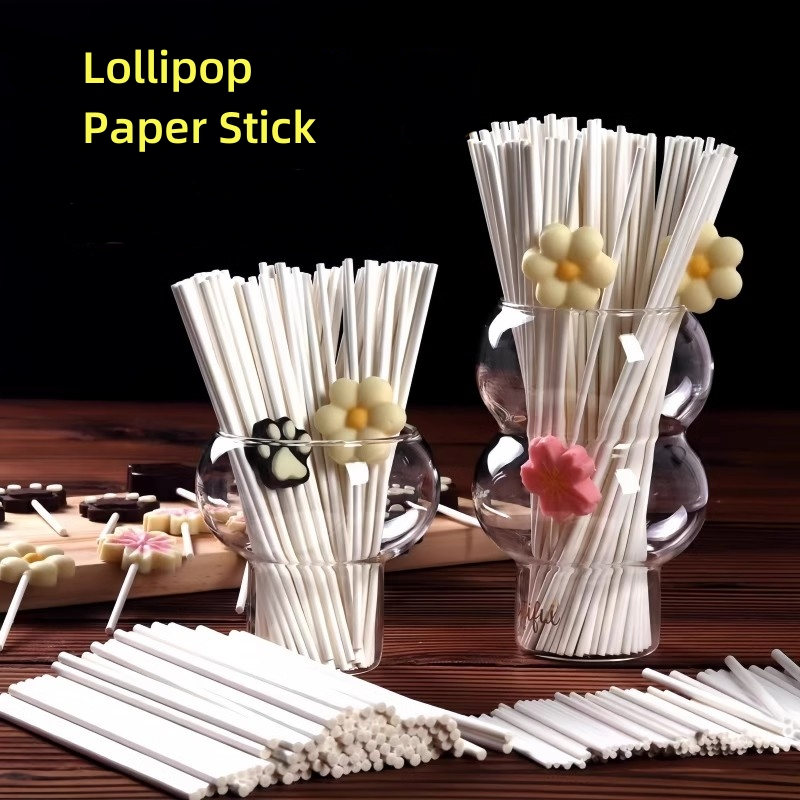
Paper sticks are solid rods made from tightly rolled, food-grade paper pulp, usually sourced from natural wood fibers. They are designed to be smooth, strong, and safe for direct food contact. You’ll often see paper sticks used for lollipops, cake pops, coffee stirrers, and dessert decorations. Unlike plastic, paper sticks are biodegradable and break down naturally after disposal.
Compared to wooden sticks, they are splinter-free and easier to customize with printed branding or specific sizes, making them a popular eco-friendly choice.
What Are Plastic Sticks?
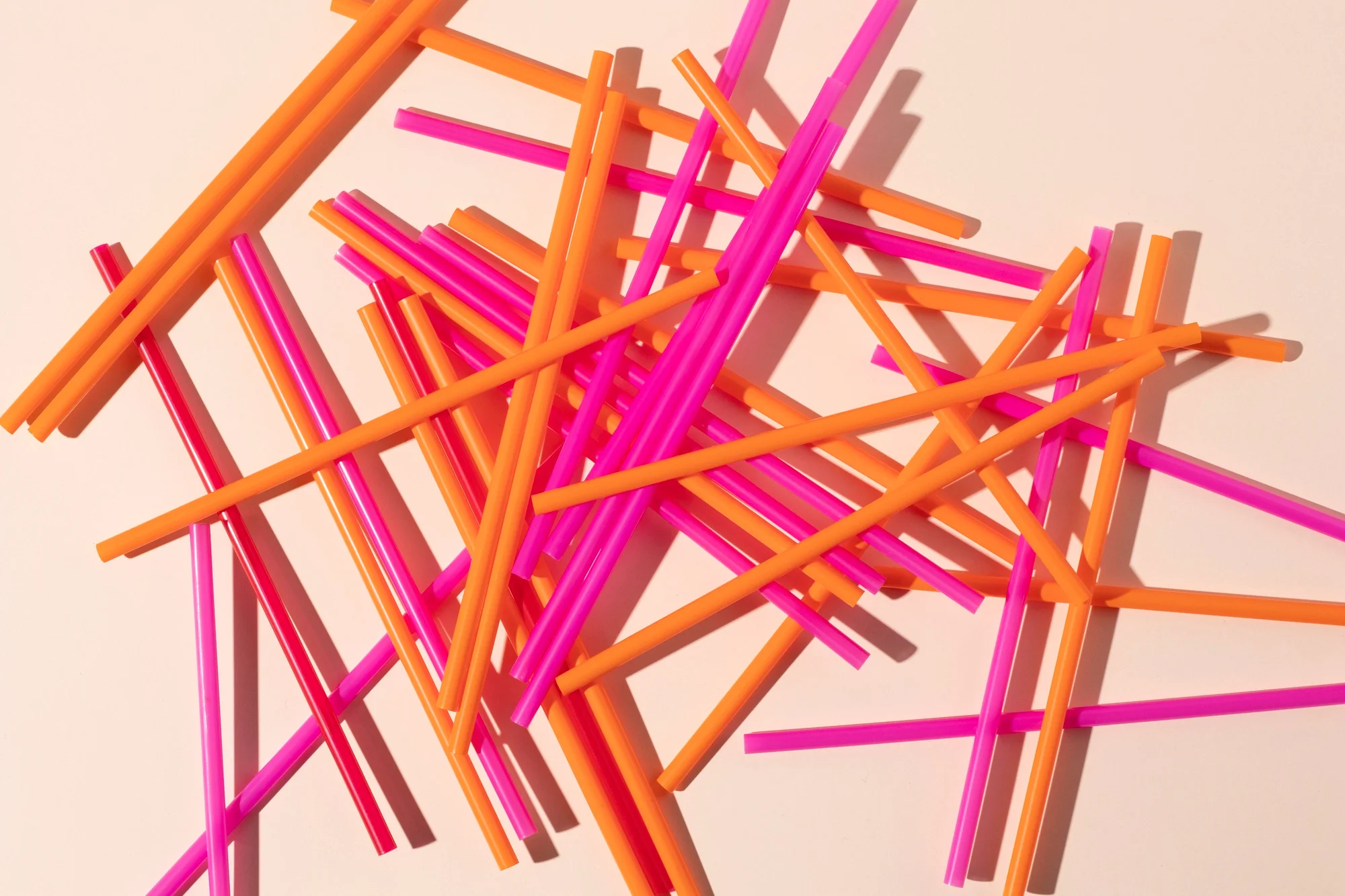
Plastic sticks are made from petroleum-based materials such as polypropylene or polystyrene. They are lightweight, inexpensive, and water-resistant, which is why they were widely used in the past for coffee stirrers, candy sticks, and food accessories.
However, plastic sticks are not biodegradable and can remain in the environment for hundreds of years. In hot drinks, low-quality plastics may soften or release unwanted substances, and many regions now restrict or ban single-use plastic items.
What Are Wooden Sticks?

Wooden sticks are produced from natural wood, often birch or bamboo, cut and shaped into flat or round forms. They are commonly used for ice cream, coffee stirring, and crafts.
Wooden sticks are biodegradable and renewable, but quality can vary. Poorly processed sticks may splinter or absorb moisture, which can affect comfort and safety. While they offer a natural look, customization options are usually more limited than paper sticks.
Material Composition & Source

The first big difference between paper, plastic, and wooden sticks is where they come from.
Plastic sticks are made from petroleum-based materials, which are non-renewable and rely on fossil fuels.
Wooden sticks come from natural wood harvested from forests, making them renewable when sourced responsibly.
Paper sticks are produced from recycled paper or FSC-certified wood pulp, using renewable fibers with a lower environmental footprint.
Environmental Impact & Biodegradability
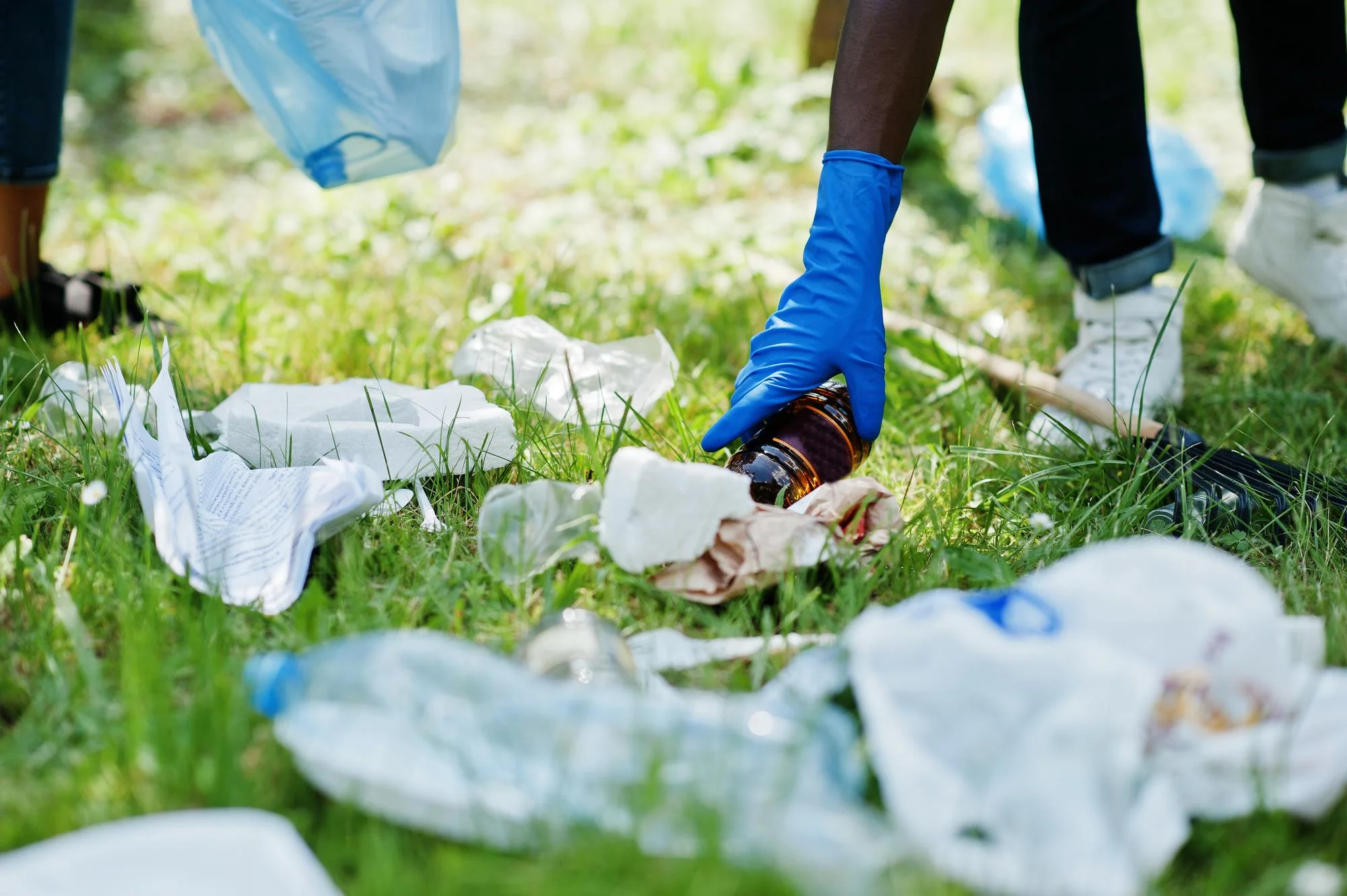
Environmental impact is where these materials truly separate. Plastic sticks can remain in the environment for hundreds of years and are a major source of pollution.
Wooden sticks are biodegradable and usually compostable, breaking down over months or years.
Paper sticks break down the fastest and are often compostable without leaving harmful residues behind.
Safety & Health Considerations
Safety matters, especially for food use.
Plastic sticks may warp in hot drinks and can release chemicals if exposed to heat.
Wooden sticks are generally safe but may splinter if poorly processed.
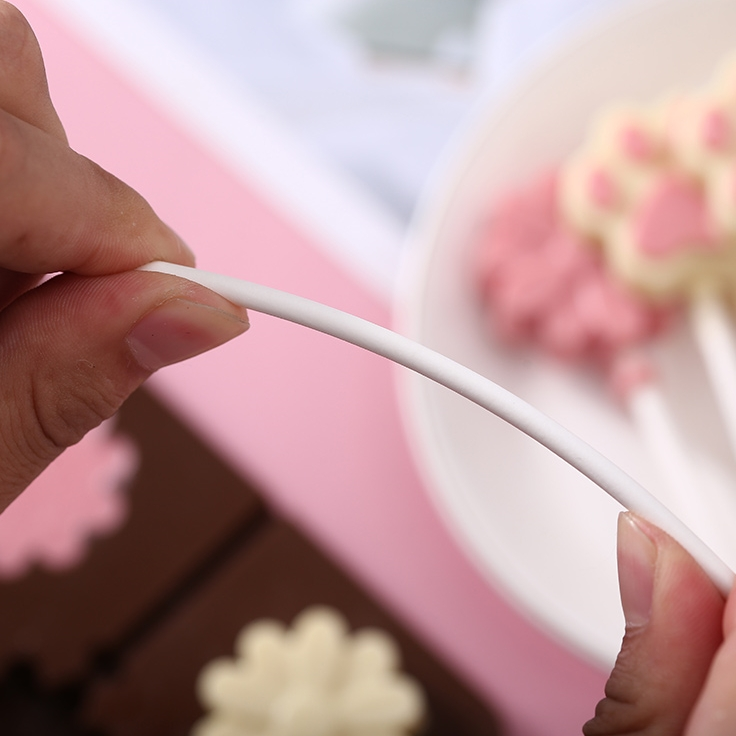
Paper sticks are non-toxic, smooth, and splinter-free, making them safer for everyday use.
Performance & Practical Use

In daily use, plastic sticks are cheap and lightweight but lack sustainability.
Wooden sticks feel sturdy and natural but can absorb moisture.
Paper sticks offer excellent customization, stable performance, and wide application across food and beverage uses.
Customization & Branding Potential
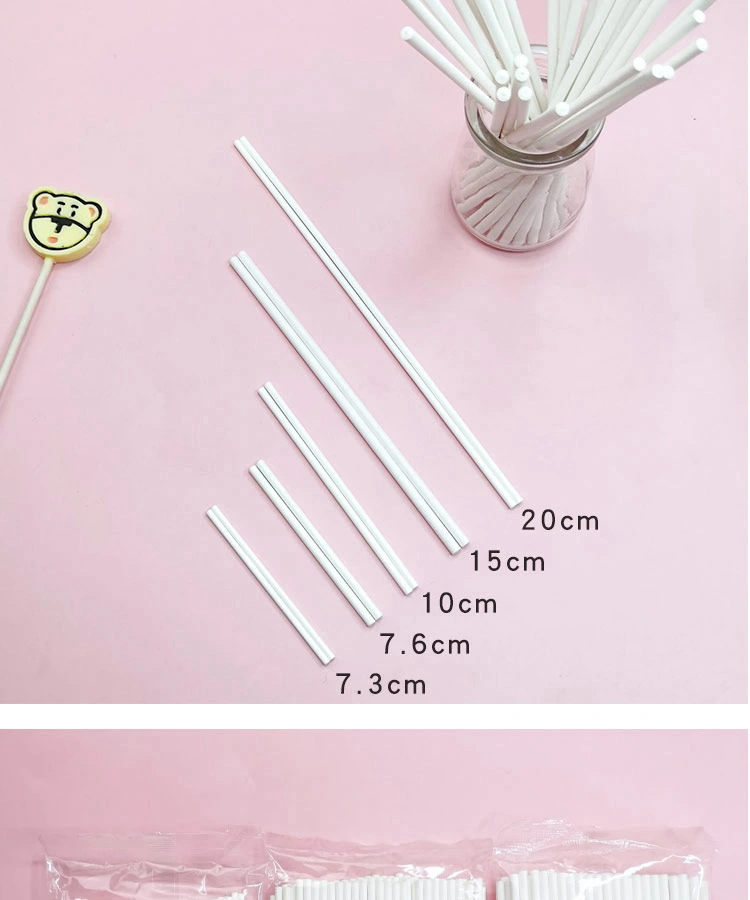
Branding matters more than ever, especially for food and beverage products.
Plastic sticks offer very limited customization and send a weak eco-friendly message.
Wooden sticks can be branded with simple logos and have a natural look, but design options are often restricted by the material.
Paper sticks stand out for customization. They support multiple shapes, sizes, colors, and high-quality printing, making them ideal for private label products and brands that want strong visual identity.
Cost Considerations & Regulations
At first glance, plastic sticks appear cheap, but rising regulations, bans, and compliance costs are changing the picture.
Wooden sticks sit in the middle, offering reasonable pricing with sustainability benefits.
Paper sticks may cost slightly more upfront, but they help avoid regulatory risks and often deliver long-term savings through brand value and eco compliance.
Consumer & Market Trends

Consumers are increasingly choosing eco-friendly products, and sustainability now influences purchasing decisions. As a result, more businesses are switching to paper and wooden sticks to strengthen brand image, meet regulations, and stay competitive in evolving global markets.
How to Choose the Right Stick

Choosing the right stick depends on your application, brand goals, and sustainability requirements. Consider these key points before making a decision:
For hot food or drinks: Choose paper or wooden sticks to avoid heat-related plastic issues.
For eco-friendly branding: Paper sticks offer the strongest sustainability message.
For customization needs: Paper sticks support more sizes, colors, and logo printing.
For natural appearance: Wooden sticks provide a classic, rustic look.
For regulatory compliance: Paper and wooden sticks help meet plastic-reduction laws.
For waste management: Paper sticks are easiest to recycle or compost.
For long-term value: Sustainable options improve brand trust and reduce future risks.
This approach helps ensure your choice aligns with both practical use and environmental responsibility.
Ready to Choose the Right Stick?
Whether you need paper, wooden, or eco-friendly alternatives, our team is here to help you find the best solution for your product and brand. We offer customization, reliable quality, and sustainable materials to support your business goals.
Contact us today to discuss your requirements and get expert guidance.
FAQs
How is plastic different from paper or wood products?
Plastic is a petroleum-based material that is durable but hard to recycle and persistent in the environment, while paper and wood come from renewable plant sources and break down more easily in nature.
Are plastic straws healthier than paper straws?
Neither plastic nor paper straws are inherently “healthier”; plastics can leach additives, and paper straws have been found to contain PFAS “forever chemicals” depending on treatment.
What is better, wood or plastic?
Wood is generally more sustainable and biodegradable than plastic, which is long-lasting and pollutive, though specific use needs and durability vary.
Why did we switch from paper to plastic?
Historically, plastic replaced paper for cost, durability, and moisture resistance, especially in products like straws and packaging.


