


Daily Oral Care Routine (Simple, Effective & Proven)
Keeping your smile healthy doesn’t need to be complicated — just consistent. Here’s a quick daily routine that works for most people and is backed by dentists:
1. Brush Twice a Day

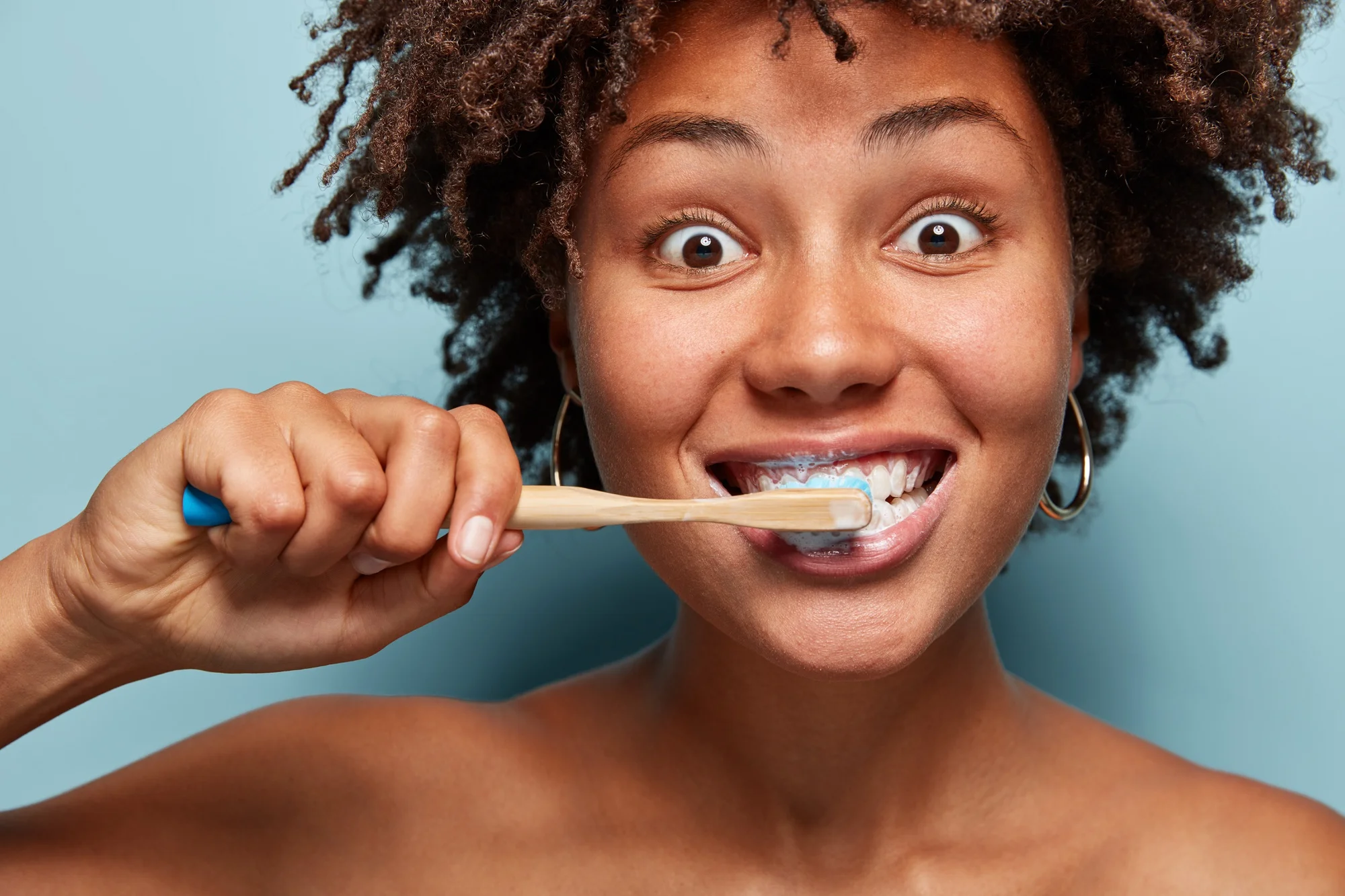
Use a soft-bristle toothbrush and fluoride toothpaste to brush morning and night. Spend about 2 minutes each time, gently brushing in small circles. Don’t forget to reach the back teeth and along the gumline. Fluoride helps strengthen enamel and fight cavities, while gentle brushing avoids gum damage.
2. Floss or Use Interdental Cleaners Once a Day

Flossing cleans where toothbrushes can’t reach — between your teeth and under the gumline. It removes trapped food and plaque that can cause decay or gum disease. If regular floss is tricky, try floss picks or interdental brushes for easier handling.
3. Clean Your Tongue
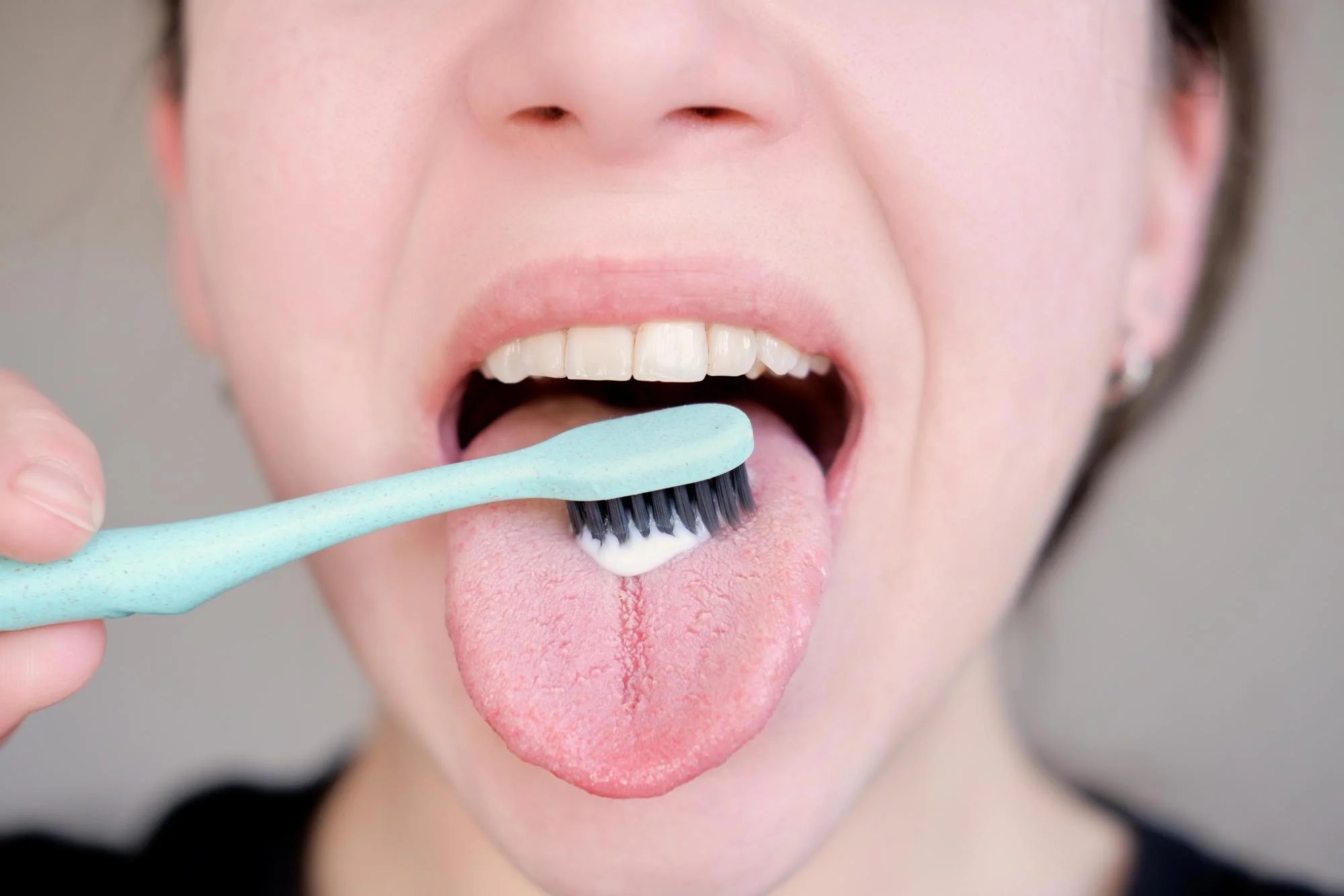
Your tongue harbors a lot of bacteria that can lead to bad breath and plaque buildup. A quick scrape or brush across the tongue once a day helps keep your mouth feeling fresh and clean. You can use a tongue scraper or just the back of your toothbrush.
3. Rinse with Mouthwash or Water

A swish of mouthwash after brushing can help kill leftover germs, reduce plaque, and freshen breath. Choose an alcohol-free option if you have sensitive gums. Even a simple water rinse is better than nothing — it helps wash away loose debris and bacteria.
Healthy Habits & Lifestyle Support
Good oral health isn’t just about brushing — it’s also about the daily choices you make. Here are simple lifestyle tips that can make a big difference:
Cut Back on Sugar and Acidic Foods

Sugar feeds the bacteria in your mouth that cause cavities and plaque buildup. Acidic foods and drinks — like citrus, soda, and vinegar — can weaken enamel over time. Try to enjoy them in moderation, and rinse your mouth with water afterward to reduce their impact.
Stay Hydrated Throughout the Day

Water isn’t just good for your body — it’s great for your mouth too. Drinking water helps keep your saliva flowing, which naturally cleanses your teeth, neutralizes acids, and protects enamel. It also helps rinse away leftover food particles after meals.
Avoid Tobacco and Minimize Staining Drinks

Smoking and tobacco use greatly increase the risk of gum disease, oral cancer, and tooth loss. Dark beverages like coffee, tea, red wine, and soda can stain your teeth. If you enjoy them, consider using a straw or rinsing with water afterward to reduce staining.
Chew Sugar-Free Gum (When You Can’t Brush)

Chewing sugar-free gum after meals helps stimulate saliva, which neutralizes acid and washes away food bits. It’s a quick way to freshen your breath and give your teeth a mini-clean when you can’t brush right away.
Regular Professional Care
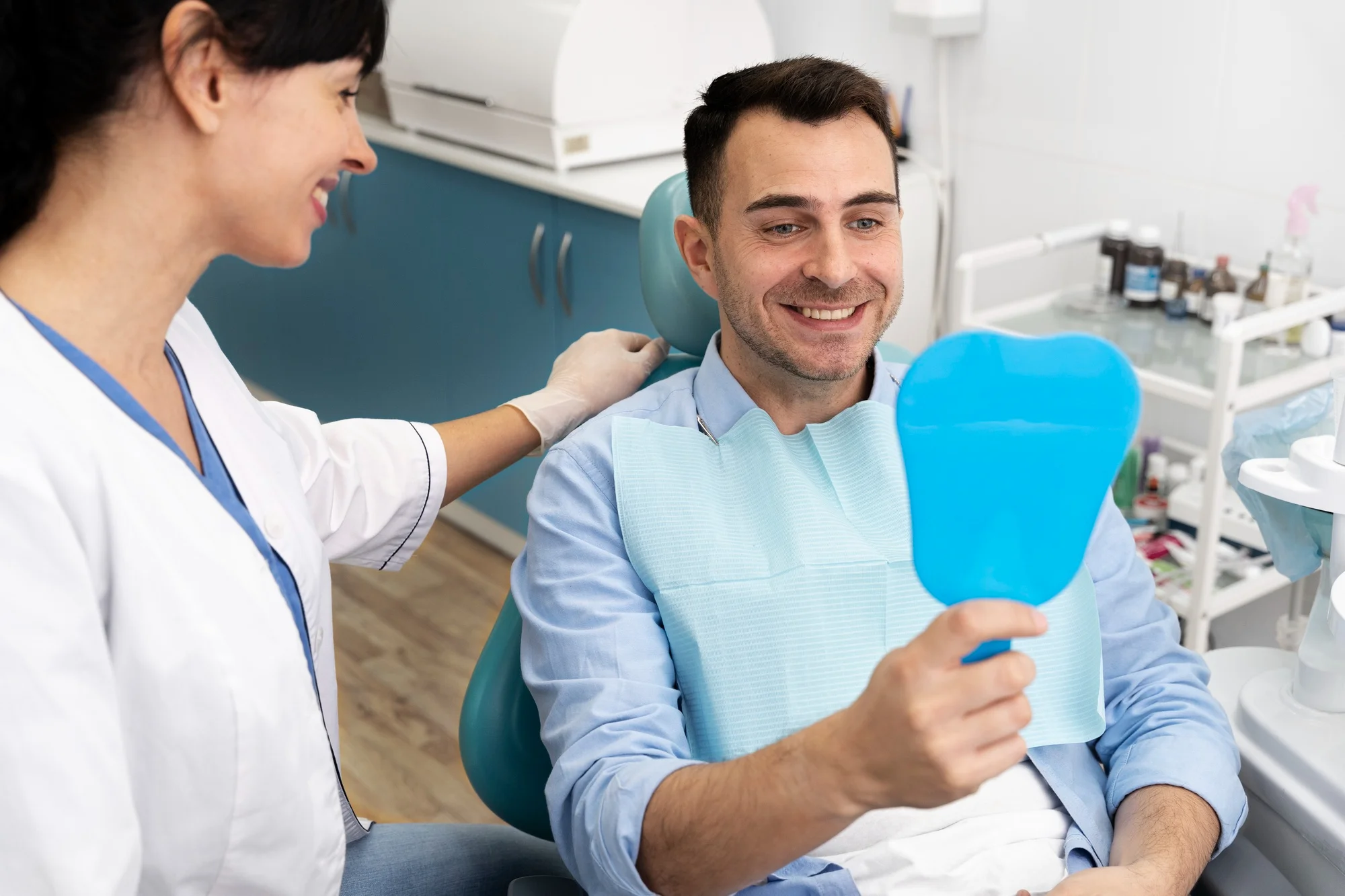
Even the best brushing habits can’t replace professional dental care. Visiting your dentist regularly helps catch issues early and keeps your mouth healthy long-term.
Get checkups and cleanings every 6 months
Routine visits help detect cavities, gum disease, or oral health issues before they get worse.Ask about fluoride treatments if needed
If you’re at high risk for tooth decay, your dentist might recommend fluoride for extra protection.Don’t ignore early signs of problems
If your gums bleed, your teeth feel sensitive, or you notice unusual pain, don’t wait — early treatment prevents bigger issues later.
Common Mistakes & What to Avoid

Sometimes it’s not just about what you do — it’s also what you should stop doing. Here are common oral care mistakes to watch out for:
Brushing too hard or using a hard-bristle brush
This can wear down enamel and damage your gums. A soft-bristle brush is more than enough to get the job done gently.Skipping floss or only flossing occasionally
Brushing can’t clean between your teeth — that’s where plaque hides. Make flossing a daily habit.Using mouthwash as a substitute for brushing
Mouthwash helps, but it doesn’t remove plaque or food like brushing and flossing do. It should be a bonus, not a replacement.Forgetting to clean your tongue
Your tongue holds bacteria too! Use a tongue scraper or your toothbrush to clean it gently each day — it helps with breath and hygiene.
Ready to Improve Your Oral Health?
Whether you’re looking for daily care tips, product recommendations, or personalized guidance — we’re here to help.
Contact us today to get expert advice or explore our trusted oral care solutions.
FAQs
How can I improve my oral health fast?
Start by brushing twice daily with fluoride toothpaste and a soft‑bristle brush, flossing once a day, and rinsing with water or mouthwash. Drinking water, avoiding sugary snacks, and chewing sugar‑free gum after meals also helps boost saliva and lower bacteria.
What is the 3‑3‑3 rule for brushing teeth?
The “3‑3‑3 rule” means brush three times per day, for three minutes each time, and replace your toothbrush every three months. It’s a more intensive hygiene routine for those prone to plaque or gum issues.
What is the 2‑2‑2 rule for teeth?
The “2‑2‑2 rule” suggests brushing twice daily, for two minutes each session, and visiting your dentist twice a year. This routine helps maintain clean teeth and catch potential dental problems early.
What is the best oral hygiene?
The best oral hygiene combines daily brushing (twice a day), flossing or interdental cleaning (once a day), tongue cleaning, drinking water, limiting sugar and acidic foods, and seeing a dentist regularly for checkups.


