


Compostable cutlery is gaining momentum worldwide. As governments tighten plastic regulations and consumers demand greener choices, the market for compostable utensils is growing at nearly 5% annually. This steady rise is fueled by eco-conscious policies, corporate sustainability goals, and better access to biodegradable materials like bamboo, bagasse, and CPLA.
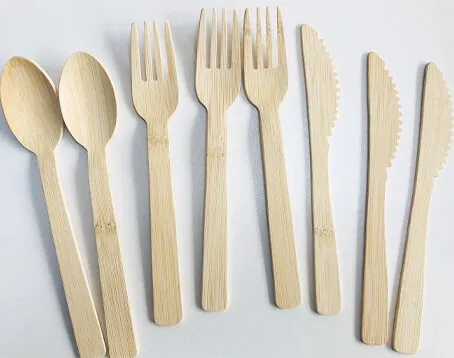
Bulk sourcing is becoming more attractive as costs drop and supply chains improve. Whether it’s for packaging sustainability or reducing landfill waste, businesses are making the switch not just to comply with rules—but to stay ahead in a green-conscious market.
Ideal Buyers for Bulk Orders
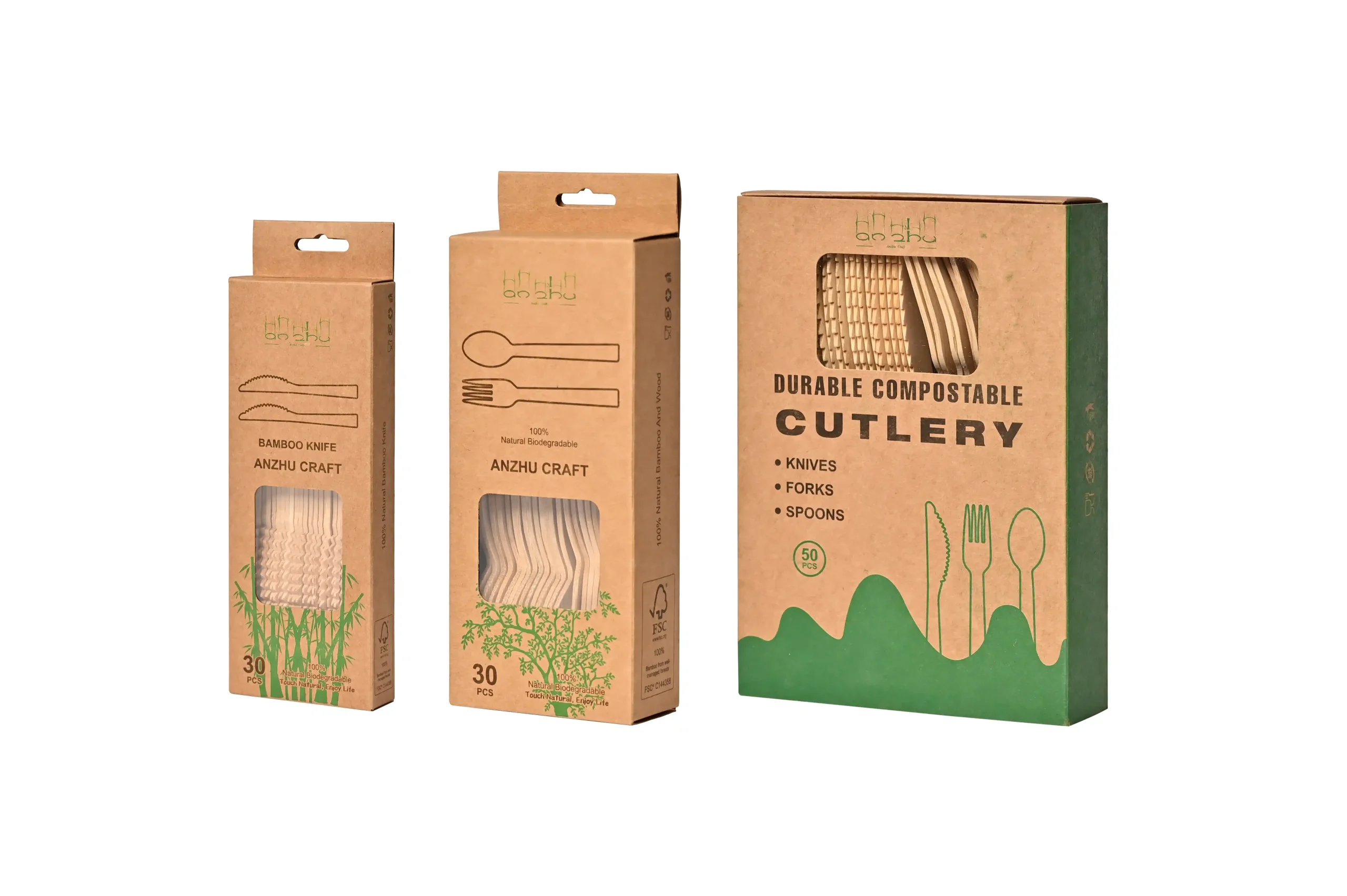
Compostable cutlery is a smart choice for a wide range of businesses that serve food on the go or host regular gatherings. The top bulk buyers include:
Restaurants and cafes looking to reduce plastic waste and show eco responsibility.
Event planners and caterers who need stylish, earth-friendly options for weddings, festivals, and conferences.
Food trucks and takeout services where convenience and green image matter.
Office cafeterias and co-working spaces aiming to align with company sustainability goals.
These buyers often source based on usage volume and seasonality. For example, event planners may need large one-time orders, while restaurants and offices benefit from regular bulk shipments. Matching order size to how often you use utensils helps control costs and reduce storage needs.
If your business uses a lot of disposable cutlery, switching to compostable options in bulk isn’t just good for the planet—it’s good for your brand image too.
Material Options & Suitability
When it comes to compostable cutlery, not all materials are created equal. Choosing the right one depends on what your business needs—durability, heat resistance, sustainability, or cost.
Bamboo

Durability: Strong, won’t break under pressure
Heat Resistance: Excellent for hot foods
Compostability: Fully biodegradable in home or industrial settings
Cost: Slightly higher, but offers a premium, natural look
Bagasse (Sugarcane Fiber)
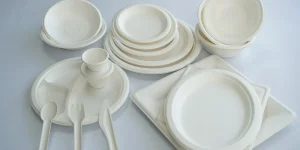
Durability: Sturdy, but may soften in liquids over time
Heat Resistance: Moderate—fine for warm dishes, not boiling
Compostability: Breaks down in ~60–90 days
Cost: Affordable and made from waste material, making it highly sustainable
Wood (Birch, Poplar)

Durability: Strong, though may feel rougher
Heat Resistance: Great for hot foods
Compostability: Naturally biodegradable
Cost: Reasonably priced, with rustic aesthetics
PLA / CPLA (Bioplastics)

Durability: Smooth and sturdy like plastic
Heat Resistance: PLA is best for cold use; CPLA handles up to 185°F
Compostability: Only in industrial composting facilities
Cost: Competitive, often used in branded utensils
Certifications & Regulations

When sourcing compostable cutlery in bulk, certifications matter. They’re not just labels—they show your buyers, regulators, and customers that your products meet strict environmental standards.
Key Certifications to Look For:
BPI (Biodegradable Products Institute)
Confirms compostability in commercial composting facilities (widely recognized in North America).ASTM D6400
U.S. standard for plastics that are compostable in municipal or industrial composting programs.EN 13432
The European Union standard for compostable packaging; required for products labeled “compostable” in the EU.FSC (Forest Stewardship Council)
For wooden and bamboo cutlery, it ensures materials come from responsibly managed forests.USDA Certified Biobased
Verifies that a product contains a specified percentage of renewable plant-based content.
Why It Matters:
Many regions—including parts of the U.S., Canada, and the EU—have already banned certain single-use plastics. Having certified compostable alternatives keeps you compliant and ahead of the curve.
Whether you’re selling into schools, hospitals, restaurants, or retail chains, these certifications help build trust and meet purchasing requirements. Make sure your suppliers provide proper documentation and labeling.
Sourcing Channels
When it comes to sourcing compostable cutlery in bulk, there’s no one-size-fits-all solution. Different channels offer different advantages—depending on your business size, location, and sustainability goals.
1. Online Marketplaces
Platforms like Alibaba or Amazon Business offer wide selections and competitive pricing. But be mindful—product quality and certifications can vary. Always vet suppliers thoroughly before placing large orders.
2. Direct from Manufacturers

Working directly with a dedicated manufacturer—like us—gives you better control over quality, customization, and long-term supply stability. We specialize in eco-friendly, compostable cutlery made from bamboo, sugarcane, and CPLA. We serve global B2B clients and offer tailored solutions, from white-labeling to bulk shipping options.
3. Trade Shows & Industry Events
Events such as the Canton Fair or Natural Products Expo are great for meeting suppliers face-to-face, seeing product samples, and forming strong business partnerships.
4. Local Distributors or Wholesale Clubs
For businesses needing quick turnarounds or smaller volumes, local partners or wholesale outlets can be efficient. However, these usually come at higher per-unit costs and limited customization.
Evaluating & Vetting Suppliers

Finding the right compostable cutlery supplier isn’t just about price—it’s about trust, transparency, and long-term partnership.
1. MOQ (Minimum Order Quantity)
Make sure their MOQ matches your needs. Small cafes might prefer lower MOQs to manage inventory, while large chains may seek volume discounts with higher order thresholds.
2. Lead Times & Delivery
Ask about standard production timelines and shipping schedules. A reliable supplier should give clear estimates and stick to them—especially for seasonal surges like holidays or events.
3. Product Samples
Never skip samples. Use them to test durability, heat resistance, and overall quality. Look for splintering (with bamboo/wood), softening (bagasse), or brittleness (PLA).
4. Certifications & Compliance

Check for trusted eco-certifications:
BPI Certified Compostable
ASTM D6400 / EN 13432 standards
FSC certification for responsibly sourced wood or bamboo
These ensure the products meet global compostability and sustainability standards.
5. Sustainability Documentation
Reputable manufacturers should provide traceability records for raw materials, carbon footprint summaries, and proof of renewable sourcing. This is key for eco-conscious brands and corporate ESG goals.
Pricing & Cost Management
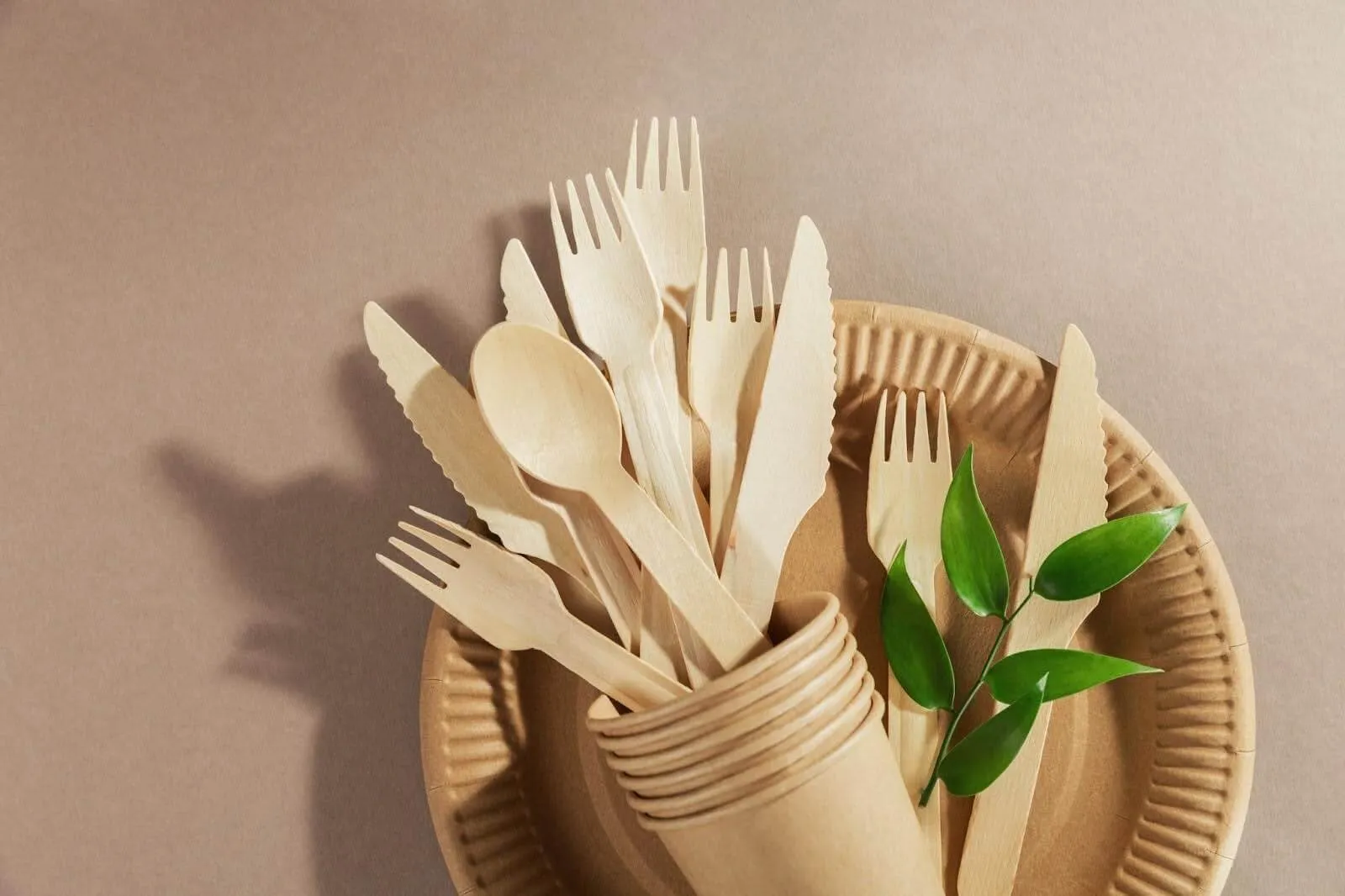
Buying compostable cutlery in bulk can save you a lot—but only if you manage costs smartly.
1. Bulk Discounts
The more you order, the lower your per-unit price. Manufacturers often offer tiered pricing—so if you’re ordering for a chain of cafés or a busy catering season, ordering higher volumes can bring big savings.
2. Per-Unit vs Total Cost
Don’t just look at the price per fork or spoon. Think big picture:
Does it include shipping?
Are there hidden handling fees?
How often will you reorder?
3. Shipping & Storage
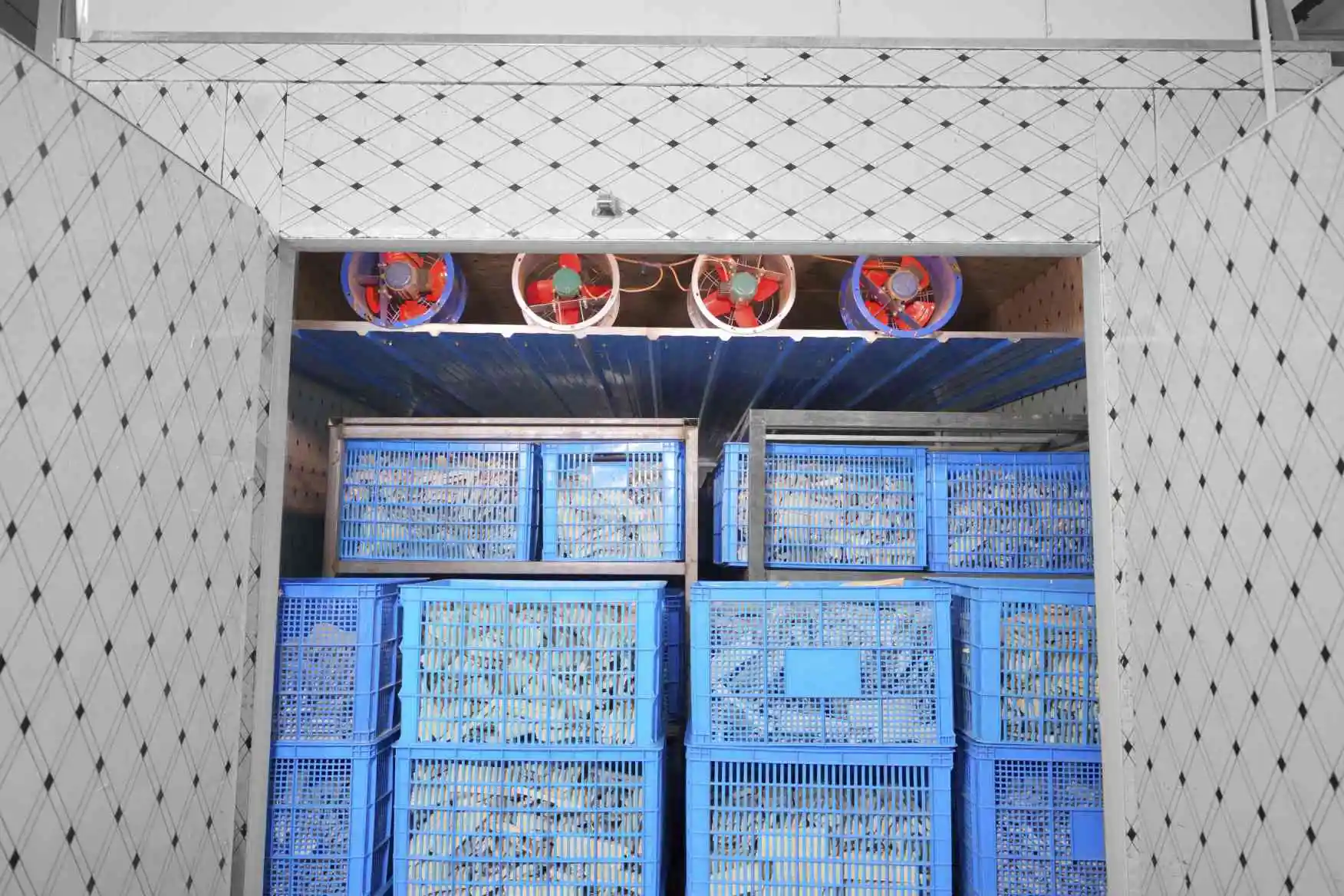
Eco-friendly materials like bamboo and bagasse need proper storage. Humidity, heat, or long delays at the warehouse can affect product quality. Choose reliable shipping partners and plan for:
Pallet space
Dry storage conditions
Lead time padding for peak seasons
4. Seasonal Demand & Stock Rotation
Plan for busy seasons like summer events, holidays, or back-to-school. Rotate your inventory to keep it fresh—especially with biodegradable items that may have a shelf life.
5. Custom Branding Costs
If you want to print your logo or custom packaging, remember this adds to both unit cost and production lead time. But the branding benefit often outweighs the expense for B2B or retail-focused businesses.
Customization & Branding
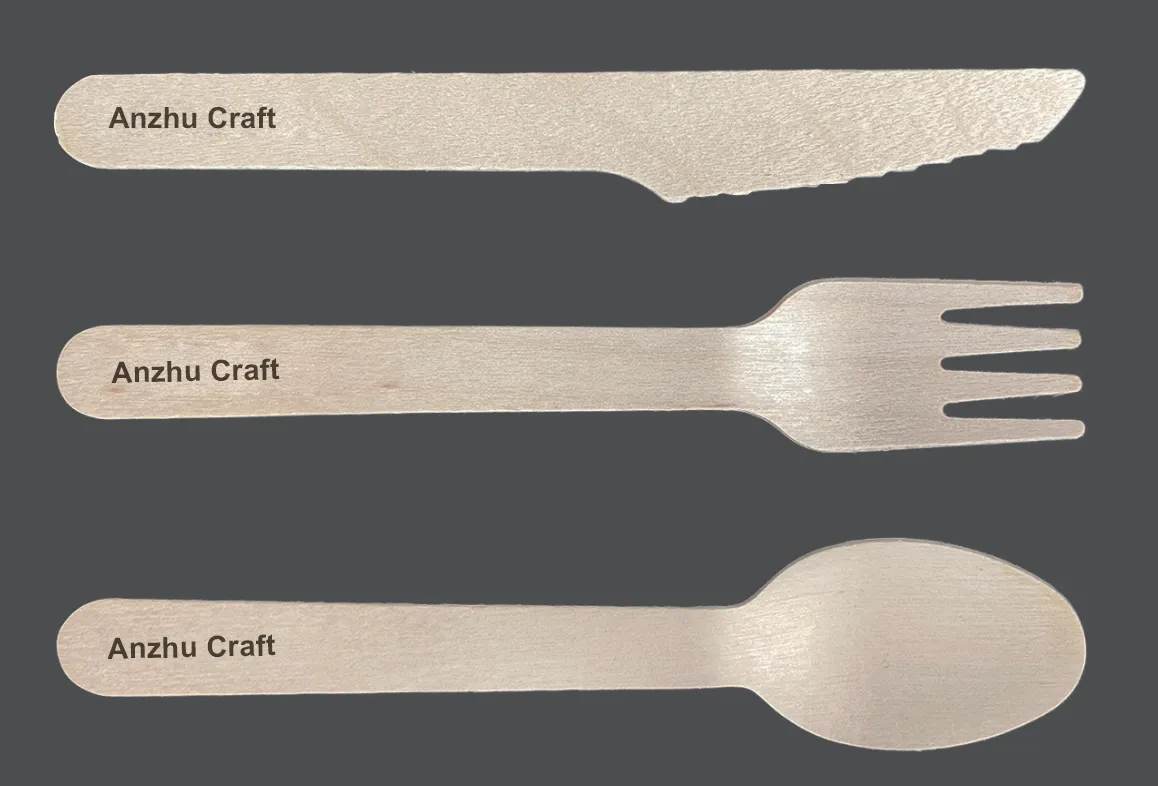
Want your compostable cutlery to do more than just serve food? Let it speak for your brand.
1. Private Labeling for Brand Recognition
Whether you’re a café, caterer, or restaurant chain, private labeling helps build trust and professionalism. Add your business name or logo to:
Individual cutlery pieces (fork handles, knife blades)
Bulk packaging sleeves or inner boxes
Outer cartons for wholesale or delivery orders
It’s a subtle way to remind customers you’re serious about both quality and sustainability.
2. Logo Imprinting Options
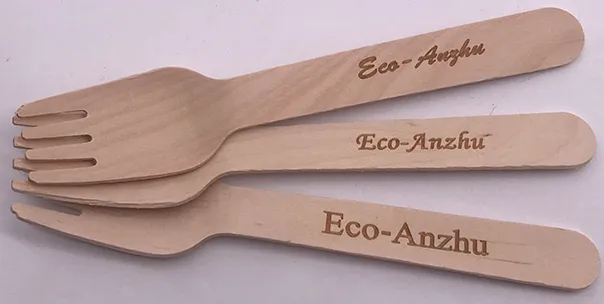
Depending on the material—like bamboo, CPLA, or wood—you can choose from:
Laser engraving (great for bamboo or wood)
Food-safe ink stamping (ideal for large batch branding)
Embossing or debossing (common on CPLA or PLA items)
We recommend choosing methods that maintain compostability and don’t introduce non-biodegradable elements.
3. Eco-Friendly Packaging Choices
Your green cutlery deserves green wrapping:
Kraft paper sleeves
Compostable biofilm wraps
FSC-certified cardboard boxes
Minimalist, no-ink packaging to reduce carbon impact
Custom-printed outer packaging can also include certifications, usage instructions, or your sustainability mission.
Pilot Orders & Quality Assurance

Before placing a big order, it’s smart to test the waters. That’s where pilot orders come in.
Start Small to Test Big
Request a sample kit or small batch from your shortlisted supplier. Use these to test for:
Strength: Can the fork handle a slice of chicken or a piece of cake?
Feel: Does it splinter, feel rough, or look cheap?
Heat resistance: Does the spoon warp in hot soup?
Compostability: Try home or industrial composting to confirm breakdown times (especially for PLA/CPLA or bagasse).
Real-World Use Checks
Give the cutlery a trial run at your business or share with staff and customers for feedback. Observe:
Packaging quality
Ease of use
Whether utensils meet hygiene and food-grade safety expectations
Avoid Costly Mistakes
Starting with small orders helps avoid large-scale issues with:
Inconsistent quality
Misprints on branded items
Materials that don’t hold up in your specific environment
Logistics & Inventory Planning

Getting your compostable cutlery delivered and stored properly is just as important as choosing the right kind.
Packaging Types: Wrapped vs. Bulk
Individually wrapped cutlery is ideal for hygiene-sensitive environments like hospitals, food delivery, or events.
Loose/bulk sets reduce packaging waste and cost—great for restaurants, offices, and high-turnover food counters.
Choose the format that fits your serving style and sanitation needs.
Storage Tips: Keep It Cool & Dry
Eco-friendly cutlery—especially bamboo, bagasse, or starch blends—can be sensitive to moisture and heat. To maintain quality:
Store in a cool, dry area away from sunlight or humidity
Avoid stacking heavy boxes on top to prevent warping
Shelf Life & Rotation
Most compostable cutlery lasts 12–24 months, but it’s smart to check:
Expiration dates if printed
Batch codes to help with rotation
First in, first out (FIFO) systems for smooth stock usage
Proper inventory planning helps prevent waste, spoilage, and stockouts—especially during peak seasons or events.
Sustainability as a Sales Asset
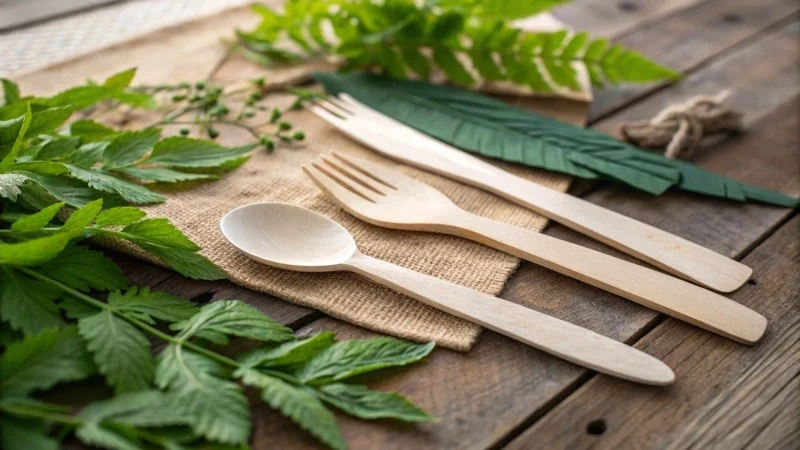
Choosing compostable cutlery isn’t just good for the planet—it’s also great for business.
Build Trust with Eco Messaging
Customers care more than ever about sustainability. Promoting compostable utensils made from bamboo, bagasse, or CPLA shows your brand:
Supports environmental responsibility
Reduces plastic waste
Invests in greener operations
Add signage, table cards, or packaging that says things like: “Made from compostable plant-based materials — better for the planet.”
Educate with Disposal Guidelines
Compostable doesn’t always mean home compost-friendly. Help your customers dispose correctly by:
Printing “Compostable in industrial facility” if needed
Including disposal tips on labels or menus
Encouraging participation in local compost programs
Clear guidance helps prevent greenwashing confusion and boosts customer satisfaction.
Highlight Circular Economy Benefits
Let buyers know how compostable cutlery supports a full eco-cycle:
Made from renewable resources (like sugarcane waste)
Breaks down into soil, not pollution
Reduces landfill load and carbon footprint
This adds value not just to your products—but to your entire brand image.
Partner with Us for Bulk Compostable Cutlery

Looking for reliable, eco-friendly cutlery at wholesale prices?
We specialize in high-quality compostable forks, spoons, knives, and more—perfect for restaurants, caterers, retailers, and food packaging suppliers. Whether you’re sourcing bamboo, bagasse, or CPLA utensils.
Contact us today to request samples or get a custom quote.


